Half Board vs Self-Catering for Family Ski Holidays in Italy
Half board or self-catering for a family ski holiday in Italy? A practical cost and logistics comparison to help parents decide what’s easier, better value, and right for school-age children.
ITALYEUROPESKIPASSO TONALELA THUILEWHERE TO STAY
3/26/20264 min read
If you’re planning a family ski trip to Italy, one of the first decisions you’ll face is:
Is half board or self‑catering actually better with kids?
Because while it often looks like a simple price comparison, it rarely works that way in practice.
It’s really about:
how much you want to organise each day
how tired everyone is by early evening
and whether you value flexibility or convenience more
This guide is for families travelling with children who want to understand how these choices affect the week as a whole — not just the cost, but how easy (or hard) the trip feels day-to-day.
Quick Answer: Half Board or Self‑Catering?
Self‑catering usually works better for space, flexibility and budget control
Half board makes evenings easier and removes one daily decision
For us, both worked — but they created very different experiences.
We’ve done both approaches across multiple trips, staying in self‑catered apartments at Planibel in La Thuile and half board at Hotel Grand Paradiso in Passo Tonale, mostly booked through Crystal Ski.
That gave us a clear view of what these options look like in real life — especially during school holidays when energy levels matter as much as price.
Some links in this guide may be affiliate links, meaning we may earn a small commission at no extra cost to you. We only recommend setups we’ve personally used and would choose again.
From here, we’ll break down:
how each option affects your day-to-day routine
the real cost differences (including hidden costs)
and which tends to work best depending on your family
Half Board vs Self‑Catering: What’s the Real Difference?
What Half Board Includes
Half board usually covers:
breakfast
evening meal (typically 3 courses; drinks vary)
set dining times
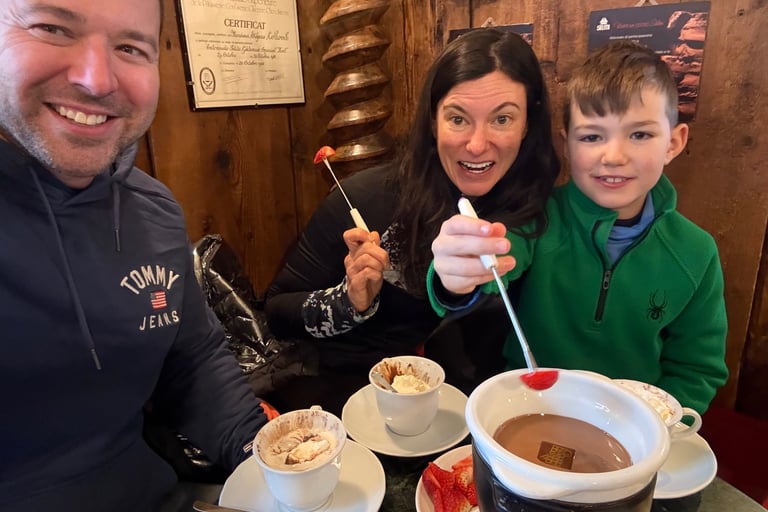
In resorts like Passo Tonale, accommodation is mostly catered. When we stayed at Hotel Grand Paradiso, having dinner organised removed one daily decision — which made a noticeable difference by the middle of a ski week.
→ See Hotel Grand Paradiso in Passo Tonale
What Self‑Catering Offers
Self-catered stays typically include:
apartment accommodation
kitchen facilities
flexible mealtimes
more living space
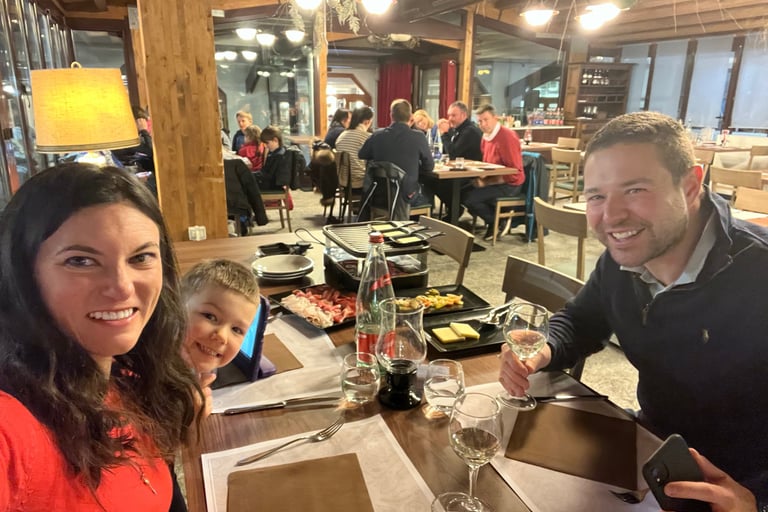
In La Thuile, we consistently preferred this setup — especially for evenings with a child, where flexibility and space mattered more.
→ See Planibel Apartments in La Thuile
The Practical Trade-Off
This really comes down to daily effort vs flexibility.
Half board:
easier evenings
less planning
lower mental load
Self-catered:
more flexibility
better cost control
easier with fussy eaters
more space to unwind
There’s also an energy factor. After several hours of ski school, children come back tired, and evenings can feel harder than expected. In those moments, having dinner already arranged can genuinely make the day feel easier.
When we travelled with extended family, half board created a calmer end to the day — everyone met at the same time, there was no cooking or cleaning, and we could properly relax together after a full day on the slopes.
The Real Cost Difference
From our experience, half board typically adds around £200 per person.
But you still need to budget for:
lunches
drinks
snacks
For us:
half board weeks came to around £800–£850 total on food
self-catered weeks stayed closer to ~£500 total
So half board isn’t usually cheaper — it’s a convenience trade-off.
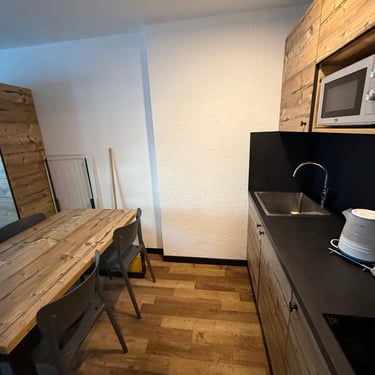
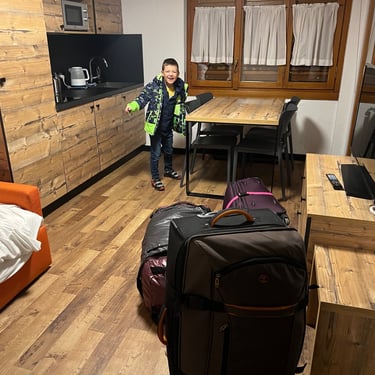
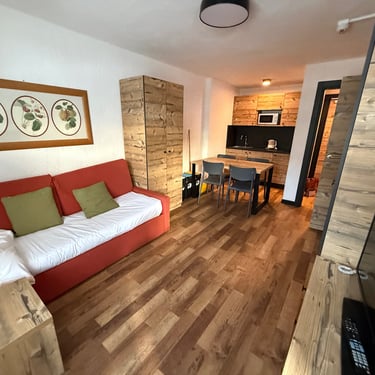
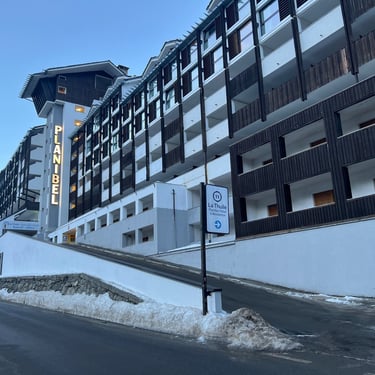
Self catering at La Thuile Planibel Residence
Location Matters More Than Board Type
Where you stay often has a bigger impact on your experience than whether you choose half board or self‑catering.
A ski‑in, ski‑out apartment can feel far easier than a catered hotel that requires a walk in ski boots. Equally, a hotel right next to ski school may save more stress than a larger apartment further out.
There’s also a difference in how the space feels. Self‑catered apartments usually offer more room to spread out, which makes a big difference with children after a long ski day. By contrast, hotel rooms can feel more compact — and we often found them noisier, especially in busy weeks.
From our experience, location and space matter more than meal format.
If you’re comparing resorts overall: Passo Tonale vs La Thuile: Which Is Better for a Family Ski Holiday?
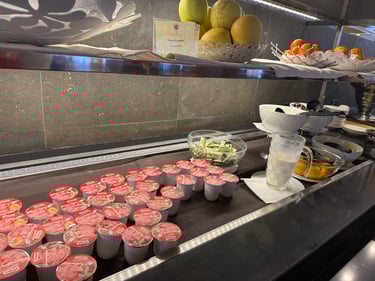
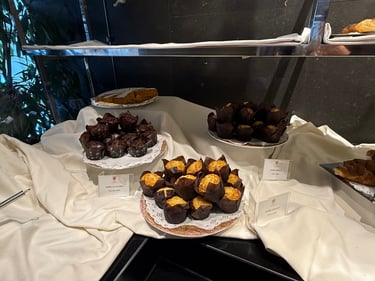
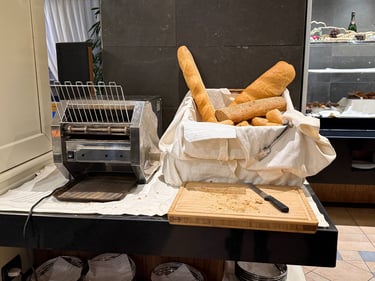
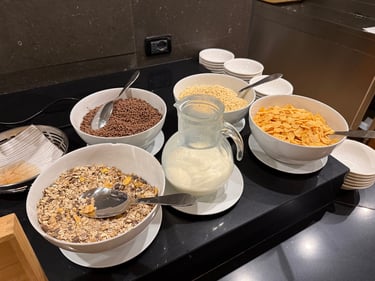
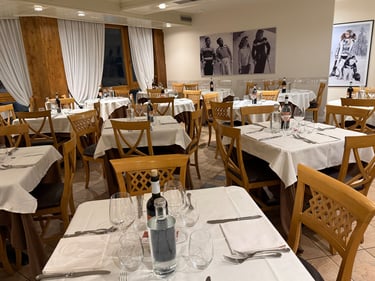
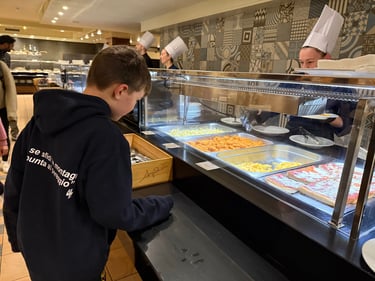
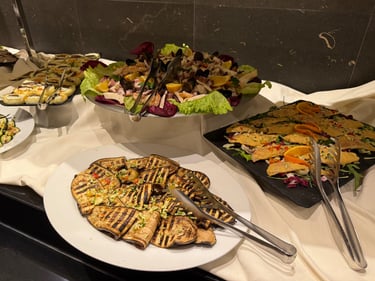
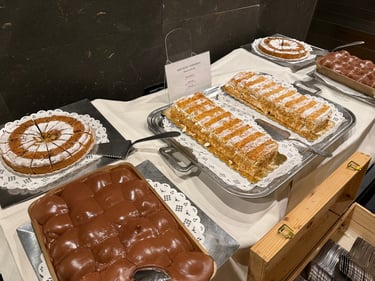
Catering at Passo Tonale Grand Hotel Paradiso
Who Should Choose What?
Choose half board if you:
want minimal decision-making
are travelling with younger kids
value ease over cost control
Choose self-catered if you:
want flexibility with meals
prefer more space
want tighter budget control
Final Take
Half board isn’t the cheapest option — but it can be the easiest.
Self-catering is usually better value — but comes with more effort.
There isn’t a single “right” answer.
It comes down to:
your child’s age
your energy levels
and how much you want to manage during the week
Want the full picture?
If you’re still planning your trip, these guides will help you next:
About Plan Family Escapes
We’re a UK-based family sharing real, experience-led travel guides based on trips we’ve taken with our school-age son Joshua across destinations like Lapland, Turkey and India.
Everything we share is based on what we’ve personally experienced — with honest advice on what actually works when travelling with kids, focusing on making family travel easier, more comfortable and genuinely enjoyable.