
Jet Lag in Kids: How We Managed USA Time Zones
Travelling to the USA with kids? Learn how we managed jet lag in kids across US time zones, what actually worked with our child, and what UK families should realistically expect on those first few days.
NORTH AMERICARESOURCES
4/25/20267 min read
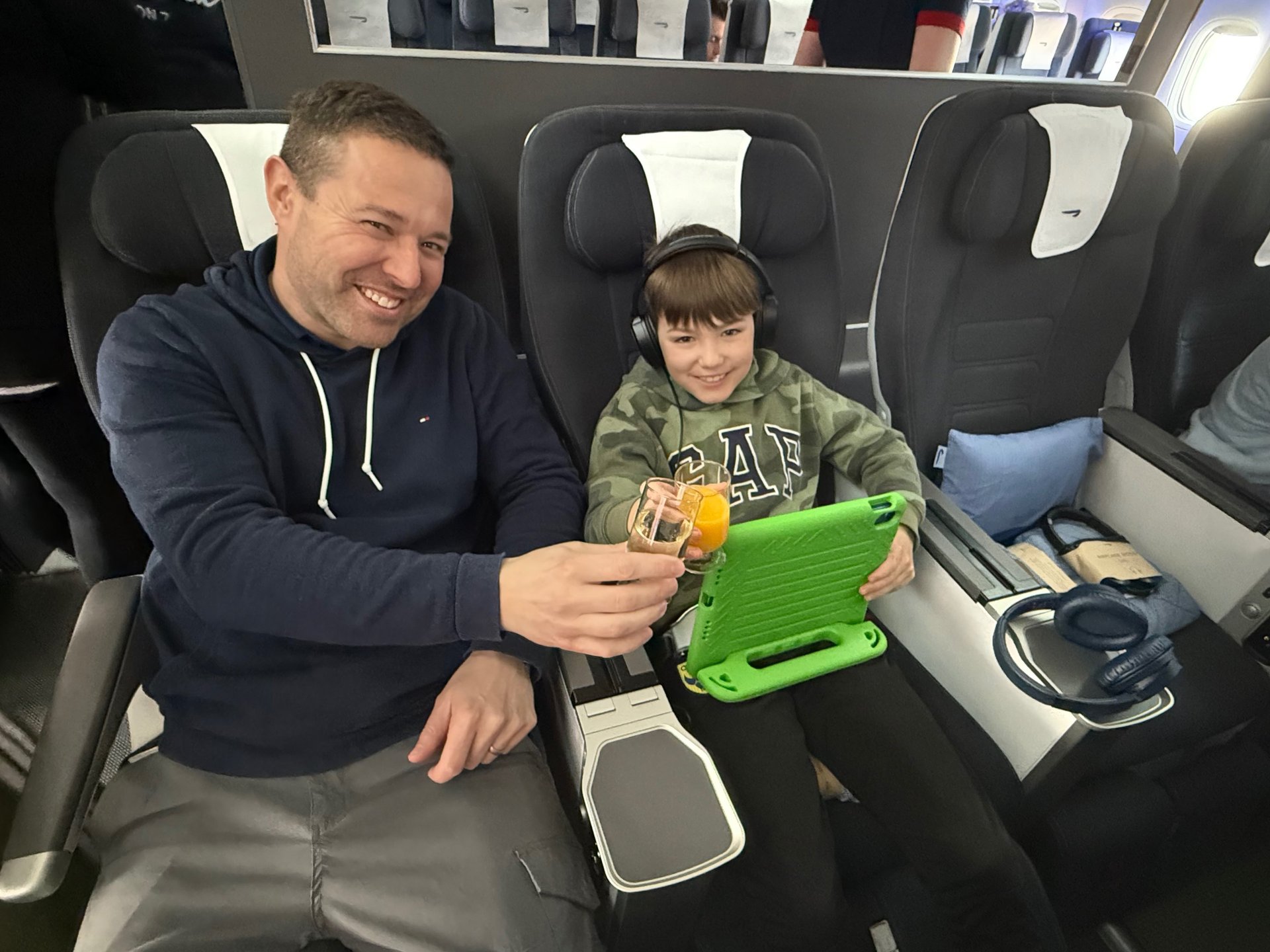
If you’re wondering how to manage jet lag in kids travelling to the USA from the UK, this guide is for parents who want to know what it actually feels like — not just generic advice.
Jet lag is one of those things most families worry about before a US trip, especially with school‑aged children who are used to a routine. Crossing multiple time zones sounds like it should be difficult — and you’ll often see advice about sleep schedules, routines, and strict plans before you even leave.
But from our experience, it didn’t quite work like that.
Quick Answer: How Do You Deal with Jet Lag in Kids After a USA Flight?
The good news is that travelling west to the USA is usually easier than people expect.
We found:
the first day feels long rather than difficult
kids often cope better than adults
and you adjust quicker if you lean into the new time zone rather than fight it
The biggest difference wasn’t what we did before the trip — it was how we approached those first 24–48 hours after landing.
We’ve done multiple trips to the US as a family, and what surprised us most is that jet lag in kids isn’t as disruptive as you might think — as long as you don’t overcomplicate it.
This guide shares:
what actually happened when we arrived
how our child adjusted to the time difference
and what we’d do again (and what we wouldn’t worry about next time)
so you can set realistic expectations rather than trying to follow a perfect plan.
Where it’s relevant, we’ve included links to the providers and options we used to help with planning — these may be affiliate links, but we only include setups we’ve personally used and would choose again as a family. If you use them it is at no extra cost to you.


Should Parents Worry About Jet Lag When Visiting the USA?
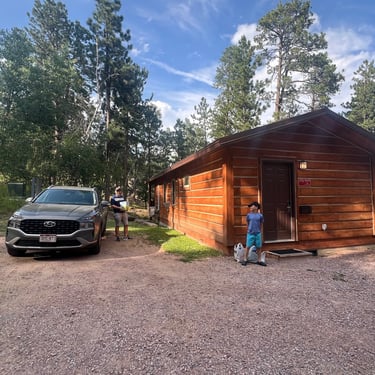
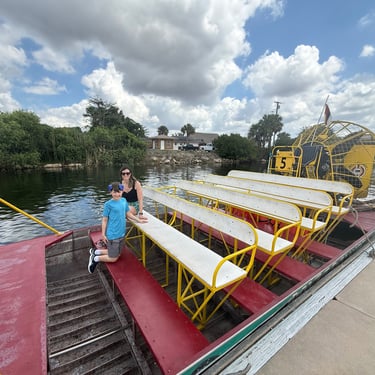
Jet lag can affect children, but in most cases it is manageable and short-lived. Travelling from the UK to destinations we have visited, such as New York, Florida, Colorado, or South Dakota has meant adjusting to a time difference of between 5 to 7 hours.
Most children adapt surprisingly quickly, often quicker than us as parents, particularly when families stay active during the day and avoid long daytime naps.
The first day or two can feel a little unusual, with children often waking very early in the morning. In practice, this can actually be useful for getting sightseeing started early or setting off on a road trip before the day gets busy. In most cases, families settle into the new schedule within a couple of days.
What Parents Should Realistically Expect
The most common jet lag pattern when travelling west is early waking and crashing early evening (and that's sometimes the adults more than the kids!).
Children who normally wake at 7am in the UK may find themselves waking at 2am or 3am local time during the first few mornings. Parents often experience the same thing.
The key is not to panic or immediately reset the day. Instead, try to keep lights low, encourage rest, and gradually shift the schedule closer to local time. In many cases, children naturally adjust after two or three days.



How a Child Experiences Jet Lag
Many children actually find the first few mornings exciting.
Early wake-ups sometimes mean:
quiet hotel breakfasts
sunrise walks
empty hotel pools
being first into theme parks or attractions
These small advantages can make the adjustment feel less frustrating.
What can feel challenging
The biggest difficulty usually appears later in the afternoon or evening, when tiredness catches up.
Parents may notice:
shorter attention spans
irritability late in the day
children falling asleep earlier than usual
Planning lighter activities for the first day or two can help manage this.
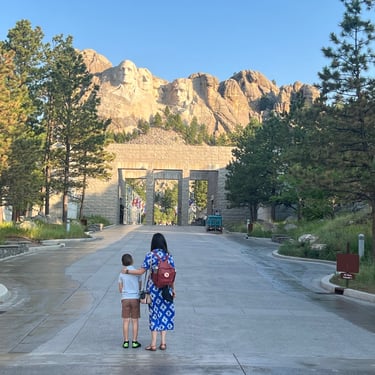
We tried to visit Mount Rushmore by night on our second night in the US, needless to say we didn't get far! Joshua was literally dead to the world by 7pm so there was no way we were ever making a 9pm outing this soon after arriving in the US - lesson learned!
Packing a few comfort items can also make a big difference during long travel days. Our guide to What to Pack for a Family Road Trip in America (From a UK Perspective) covers the essentials we always bring.
How We Managed Jet Lag on US Trips
On our own trips to the United States, we found a few simple strategies made the adjustment much easier.
Stay awake until local evening time: Even if everyone feels tired after a long flight, staying awake until around 7–9pm local time helps reset the body clock faster.
Get outside in natural daylight: Sunlight helps the body adjust to the new time zone. Short walks or outdoor activities on the first afternoon can make a noticeable difference.
Avoid long daytime naps: Short rest breaks are fine, but long naps can make it harder for children to sleep properly at night.
Keep the first day flexible: After long flights, children may feel more tired than usual. Keeping the schedule light allows everyone to adjust gradually.
Eat at local times: To help your body clock adjust more quickly, try to eat meals according to US time rather than sticking to UK meal times.
Alongside preparing for the time difference, it’s also important to make sure you’re properly covered for your trip.
Our guide to Travel Insurance for the USA: Why You Cannot Get This Wrong explains what families should consider.
Why Westbound Travel Is Easier for Families
One reason many families find trips to the USA more manageable is that travelling west is generally easier than travelling east.
When you fly west, the day effectively becomes longer rather than shorter. In practical terms, this means it’s usually easier to stay awake until a normal bedtime, rather than forcing an early adjustment. From our experience, this makes those first couple of days feel much more manageable with kids.
The return journey is often where you notice jet lag more. Flying back to the UK shortens the day, and waking up in the middle of the night is very common. Planning a quieter day or two once you’re home can really help everyone ease back into their normal routine.
Interestingly, we found that we struggled with this far more than our son Joshua (now nine). He adjusted quickly and wasn’t that affected, while we were the ones lying awake at night for the first few days after getting home.
A Few Practical Tips That we Recommend for Families
Over several US trips, a few small planning choices made a noticeable difference.
Choose daytime flights where possible
Plan a simple activity for the first afternoon
Have snacks and water available after arrival
Keep the first full day light and flexible
Accept that the first couple of nights may be unusual
For most families, jet lag becomes a minor issue after the first few days.
If you’re planning a longer trip to the US, it’s worth budgeting for the full experience. Our guide to How Much Does 2 Weeks in the USA Cost from the UK? breaks down the typical costs for families.




Final Jet Lag Insight for Parents
Jet lag is a normal part of long-distance travel, but from our experience, it’s rarely the problem most families expect it to be.
For trips to the USA, it’s usually manageable — especially once you accept that the first couple of days might feel a little out of sync. A few early mornings are typical, but once you settle into your routine, things tend to fall into place quickly.
What surprised us most was how well our son adapted. Children often cope better than adults, and the excitement of being somewhere new seems to help them adjust much faster than expected.
If anything, we found we struggled more than he did — which probably says a lot about how much we overthink jet lag before travelling.
If you’re still deciding whether the USA works well as a family destination, Is the USA Good for Children? explains why it suits this age group so well.
FAQs: Jet Lag in Kids Travelling to the USA
How long does jet lag last in kids travelling to the USA?
From our experience, most kids start to adjust within 1–3 days when travelling west to the USA.
The first day feels the most unusual, but by the second or third day, most children fall into the new routine quite naturally.
Is jet lag worse going to the USA or coming back to the UK?
The return journey is usually harder.
Travelling west (to the USA) tends to be easier because you gain time, while returning east shortens the day and makes it harder to adjust — which is why early waking is more common once you’re home.
Should you let kids nap after arriving in the USA?
Short naps can help, but long naps often make things harder.
From our experience, it works best to let kids rest briefly if needed, but aim to keep them awake until evening so they adjust to the new time zone faster.
What is the best way to manage jet lag in kids after a long-haul flight to the USA?
The biggest thing that helped us was keeping things simple.
Instead of strict schedules, we:
got outside
stayed active
and followed the local time as quickly as possible
Trying to force a perfect routine usually creates more stress than it solves.
Do kids adjust to jet lag faster than adults?
In many cases, yes.
From our experience, our son adapted much quicker than we did — and this is something other families often report too. Kids tend to follow the environment around them, especially when the days feel exciting and different.
Should you plan activities on your first day in the USA?
Light activities work best.
We found it helps to have something planned — just not too much. A simple walk, meal out, or easy sightseeing can keep everyone moving without adding pressure.
plan your next us FAMILY road trip
If you’re planning a US family road trip, these are the key guides that will help you pull everything together.






About Plan Family Escapes
We’re a UK-based family sharing real, experience-led travel guides based on trips we’ve taken with our school-age son Joshua across destinations like Lapland, Turkey and India.
Everything we share is based on what we’ve personally experienced — with honest advice on what actually works when travelling with kids, focusing on making family travel easier, more comfortable and genuinely enjoyable.