Planning a Family Trip to Thailand: Costs, Transport, Hotels & Lessons Learned
Planning a family trip to Thailand? Learn real costs, how to get around, where to stay, and practical lessons learned from travelling Thailand with a child.
ASIATHAILAND
4/25/20269 min read
When we travelled to Thailand as a family, our son was eight years old, and we went in August during the UK summer school holidays—right in the middle of Thailand’s rainy season. We spent two weeks travelling through Bangkok, Chiang Mai, Chiang Rai, and Phuket, combining busy cities, cultural sights, nature, and beach time.
We booked all our internal flights, tours, accommodation, and entrance tickets ourselves, figured out how to use the Grab taxi app in Bangkok, rented a car and drove in northern Thailand, and stumbled across some genuinely amazing hotels that had a huge impact on how the trip felt day to day.
Some parts of the trip felt effortless and exciting. Other days were hot, wet, and showed us quickly where we’d over‑planned. Looking back, the biggest lessons weren’t about specific places, but about pace, transport choices, and hotel selection—and how getting those right can make Thailand feel surprisingly easy with kids, even during rainy season.
This guide shares what we learned from that trip so you can plan a Thailand family holiday that works in real life, not just on paper. To make planning easier, I’ve included links to all the exact tours and hotels we booked or considered, plus the resources and tools we actually used along the way.
Just to be upfront — some of the links in this post are affiliate links. If you book through them, we may earn a small commission, at no extra cost to you. We only ever share places, tours, and experiences we’ve personally used and genuinely enjoyed.
If you’re planning your own family trip to Thailand, feel free to use these links as a starting point — they’re exactly what helped us shape a trip that felt exciting, manageable, and memorable rather than overwhelming.
These were our top experiences during our visit that we highly recommend for families.
What a Family Trip to Thailand Really Costs
Before we booked anything, our biggest question was whether Thailand would actually be good value as a long‑haul family destination.
The honest answer: yes — but flights dominate the budget.
International flights were by far our biggest expense. We flew with Swiss via Zurich, which helped keep costs down. We’d recommend starting with a price‑comparison site like Trip to get a feel for current deals. Thailand actually wasn’t our original plan, but we chose it after finding some really good flight prices.
Once we arrived in Thailand, everything else felt far more affordable than we’d expected.
What we actually spent (excluding international flights)
Around £2,000 on hotels
Around £1,000 on food, taxis, and day‑to‑day spending
Around £500 on tours and activities
Around £200 on car hire
Around £500 on three internal flights
That’s roughly £4,200 total for a family of three over two weeks — about £1,400 per person.
What surprised us most was how inexpensive some of our favourite experiences were. River boats in Bangkok, temple visits, and local restaurants cost very little but became real highlights. In contrast, eating in hotels regularly added cost without adding much enjoyment.
Interestingly, our most expensive hotel ended up being our least favourite stay of the trip — a good reminder that Thailand rewards balance rather than going “all‑luxury” every night.

Getting Around Thailand With Kids: What Actually Works
Thailand looks manageable on a map — until you start planning. Bangkok, Chiang Mai, Chiang Rai, and Phuket are far enough apart that transport decisions really affect energy levels with a child.
Grab made city travel easy
We used Grab (the uber of Thailand) constantly in Bangkok and other cities. Not having to negotiate prices, explain destinations, or guess routes removed a lot of friction, especially at the end of hot days. We even used Grab for a longer trip from Bangkok to Ayutthaya instead of juggling trains and taxis.
Internal flights were worth it
We flew:
Bangkok → Chiang Mai (Thai airways – think the BA of Thailand)
Chiang Mai → Phuket (Air Asia – think the easyjet of Thailand)
Phuket → Bangkok (Air Asia)
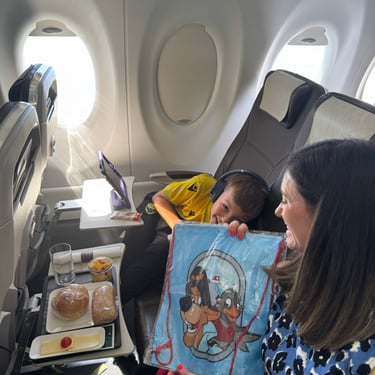
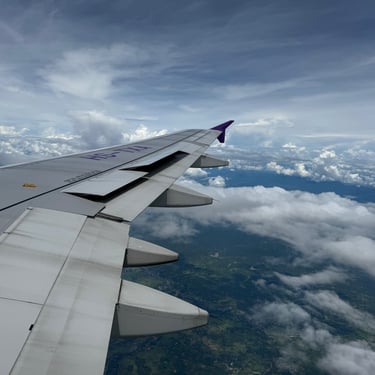
These flights saved a huge amount of time and, more importantly, energy. We booked direct with the airlines and found everything straightforward. While trains can appeal on paper, for a two‑week family trip I’d choose flights again without hesitation. To understand the current pricing for internal flights with different providers I recommend doing a quick, easy search using Trip, both Air Asia and Thai Airways worked well as internal flight providers for our trip.
Driving in the north worked surprisingly well
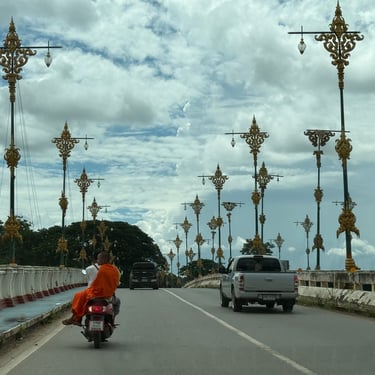
In Chiang Mai and Chiang Rai, we hired a small car and drove ourselves, which worked far better than we’d expected. Roads were calm, signage was clear, and having our own car meant we could arrive early at temples before the tour buses and travel completely at our own pace. You can also use Trip for car rental bookings. We picked our car up directly from the small Chiang Mai airport terminal without any issues.
We chose to add full insurance for extra peace of mind. Normally we wouldn’t, as we have an annual excess policy, but given we were driving in an unfamiliar country we felt it was worth reducing the risk. We had no problems at all with the car or the hire process. One simple thing that made driving stress‑free was buying an eSIM in advance, which meant Google Maps worked perfectly without any roaming charges.
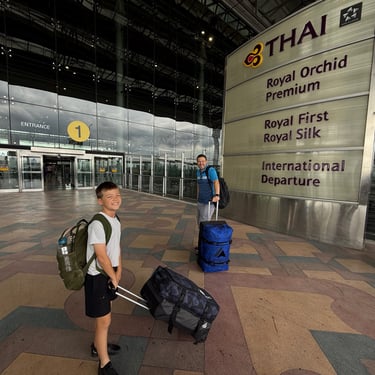
How Long to Stay in Each Place (What Worked for Us)
Bangkok – around 3 days
Bangkok is busy, intense, and fascinating. We found three days was enough to:
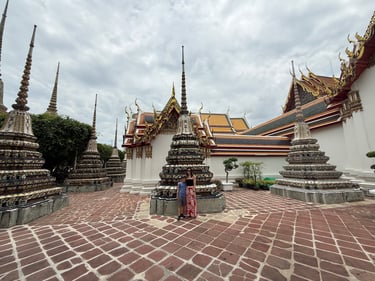
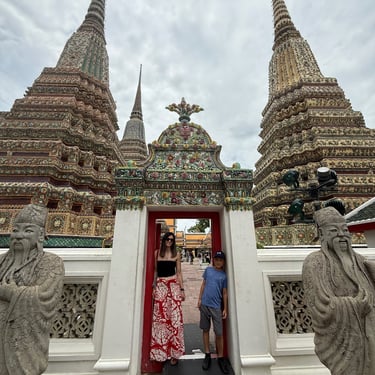
Key temples: Bangkok’s main sights include the Grand Palace & Wat Phra Kaew, Wat Pho (the reclining Buddha), and Wat Arun on the river — all visually striking and easy to group into a short, high‑impact visit.
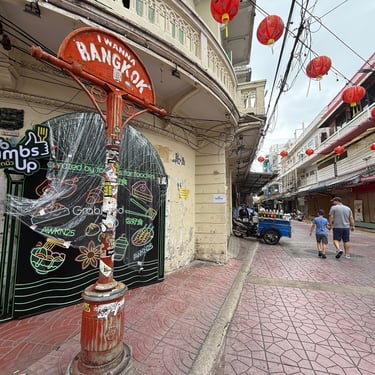
Chinatown & markets: Chinatown (Yaowarat) is packed with street markets like Sampeng Lane, gold shops, food stalls, and neon‑lit streets, offering a busy, everyday contrast to Bangkok’s polished temple sites.
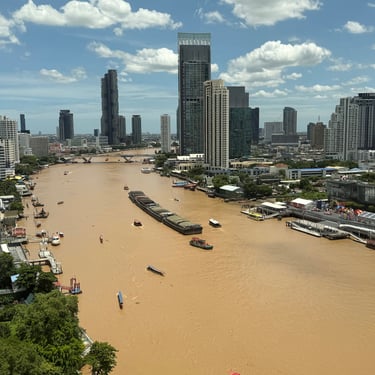
Explore ICONSIAM mall - ICONSIAM is Bangkok’s landmark riverside mall on the Chao Phraya River, and was right opposite our hotel. It’s a good stop for air‑conditioned downtime, with the indoor Thai market‑style food hall, riverside walkways, and evening fountain light shows making it fun for kids.
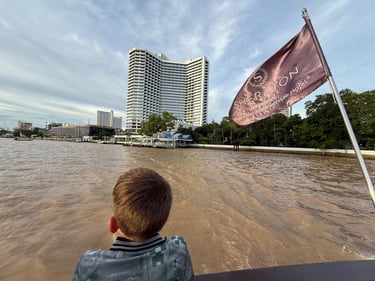
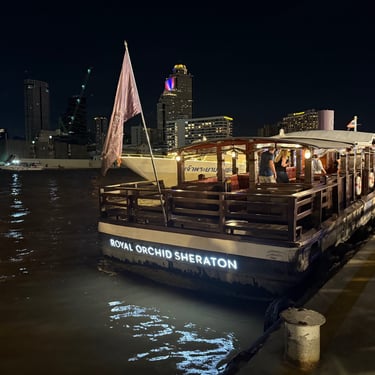
Riverboat dinner cruise - This was Joshua’s pick and ended up going down far better than we expected given we picked the most budget friendly option. Cruising along the Chao Phraya at night, with lit‑up temples and skyline views, was a relaxing way to see Bangkok without rushing between sights — and it worked brilliantly for an evening when everyone was tired from sightseeing.
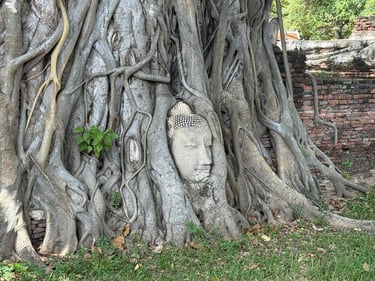
Day trip to Ayutthaya - Thailand’s former capital near Bangkok, best known for its open‑air temple ruins and ancient Buddha statues, and works well as a simple, history‑focused day trip.
This was enough time to see the highlights of Bangkok whilst adjusting to the jet lag. We stayed in Royal Orchid Sheraton Riverside Hotel Bangkok on the River, a great choice for location for families, with a river view, big family pool and close to ICONSIAM for quick meals.
Chiang Rai – 2 nights
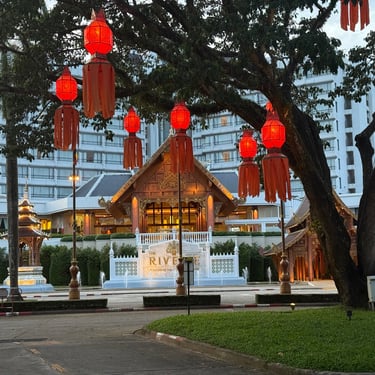
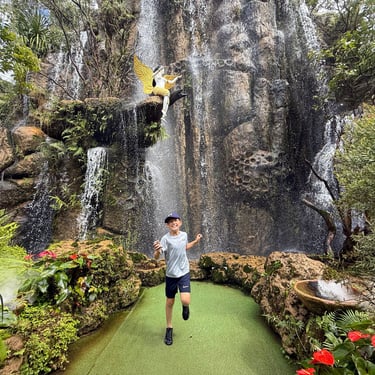
After arriving into Chiang Mai airport, we drove straight to Chiang Rai (around three hours) and stayed for two nights. We spent roughly half a day visiting the key sites, then enjoyed downtime at our hotel, The Riverie by Katathani, which turned this stop into one of the most relaxing parts of the trip. The large pool, soft‑play kids’ club, and excellent breakfast made it a great choice for families.
During our stay we visited:
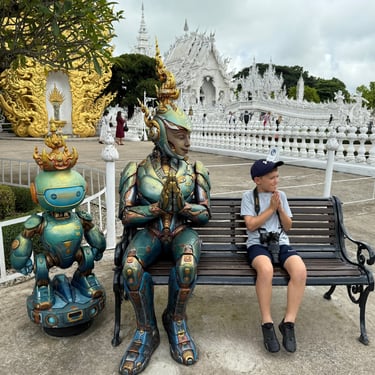
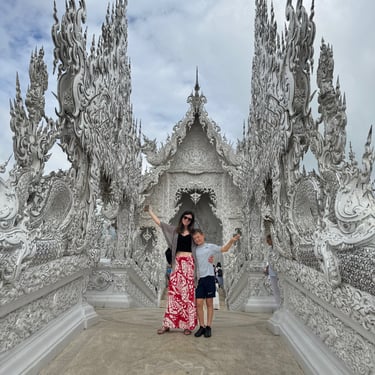
The White Temple
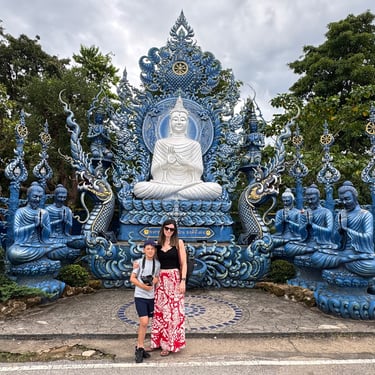
The Blue Temple
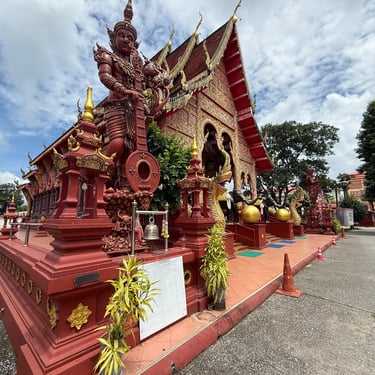
The Red Temple
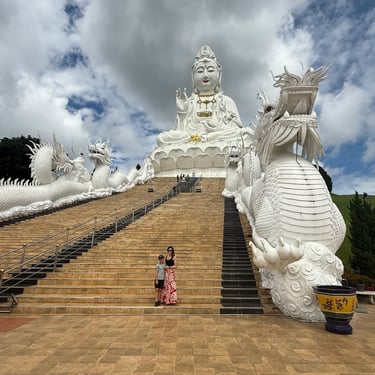
Big Buddha
Lalitta Café
Chiang Rai can be booked as a day trip from Chiang Mai, but in my opinion staying overnight made the experience far more relaxed and unrushed. Personally, I really dislike visiting major sites at peak times, so arriving at the White Temple for opening made a big difference. Even then, the crowds built quickly, which just reinforced how valuable those early starts were. You can fit in all these sites in half a day, they do not take long to get round, after that give the kids the have the opportunity to enjoy the The Riverie by Katathani.
Chiang Mai – 2 nights
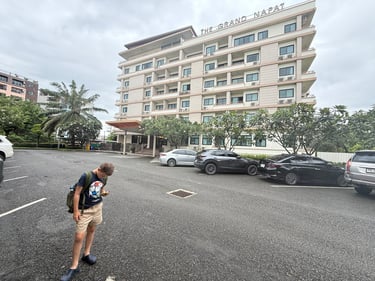
After 2 nights we headed back to Chiang Mai. We stayed slightly outside the centre in the Grand Napat serviced apartments so we had more space and a proper third bed — a small decision that made mornings and evenings far easier.
Chiang Mai worked well for:
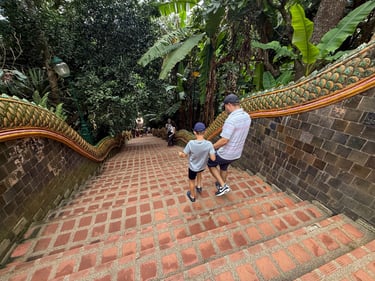
Wat Phra That Doi Suthep (often just called Doi Suthep) - the iconic mountaintop temple overlooking Chiang Mai, with its dragon‑lined staircase and panoramic views across the city.
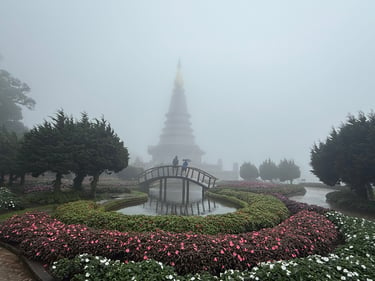
Doi Inthanon (about 2 hours from Chiang Mai) is Thailand’s highest mountain near Chiang Mai, best known for cooler air, waterfalls, and the twin royal pagodas, making it an easy nature‑focused day trip for families.
Chiang Mai night markets
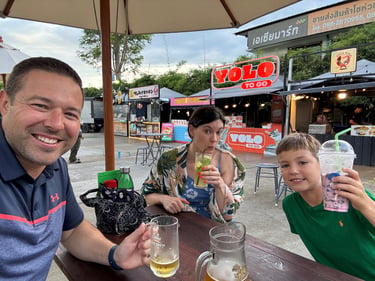
Many families visit elephant sanctuaries or go bamboo rafting in Chiang Mai. We chose to save these experiences for Phuket instead, as they fitted better with our overall itinerary. One unexpected highlight was the night market right next to our hotel, which became an easy, relaxed way to spend our evenings as a family.
Phuket – flexible, but don’t rush it
We spent the remainder of the trip (around a week) in Phuket, before flying back to Bangkok for our return flight home. Phuket is where many families naturally slow the trip down. We split our stay to suit different between the North and the South in order to experience different hotels and be better placed for different tours.
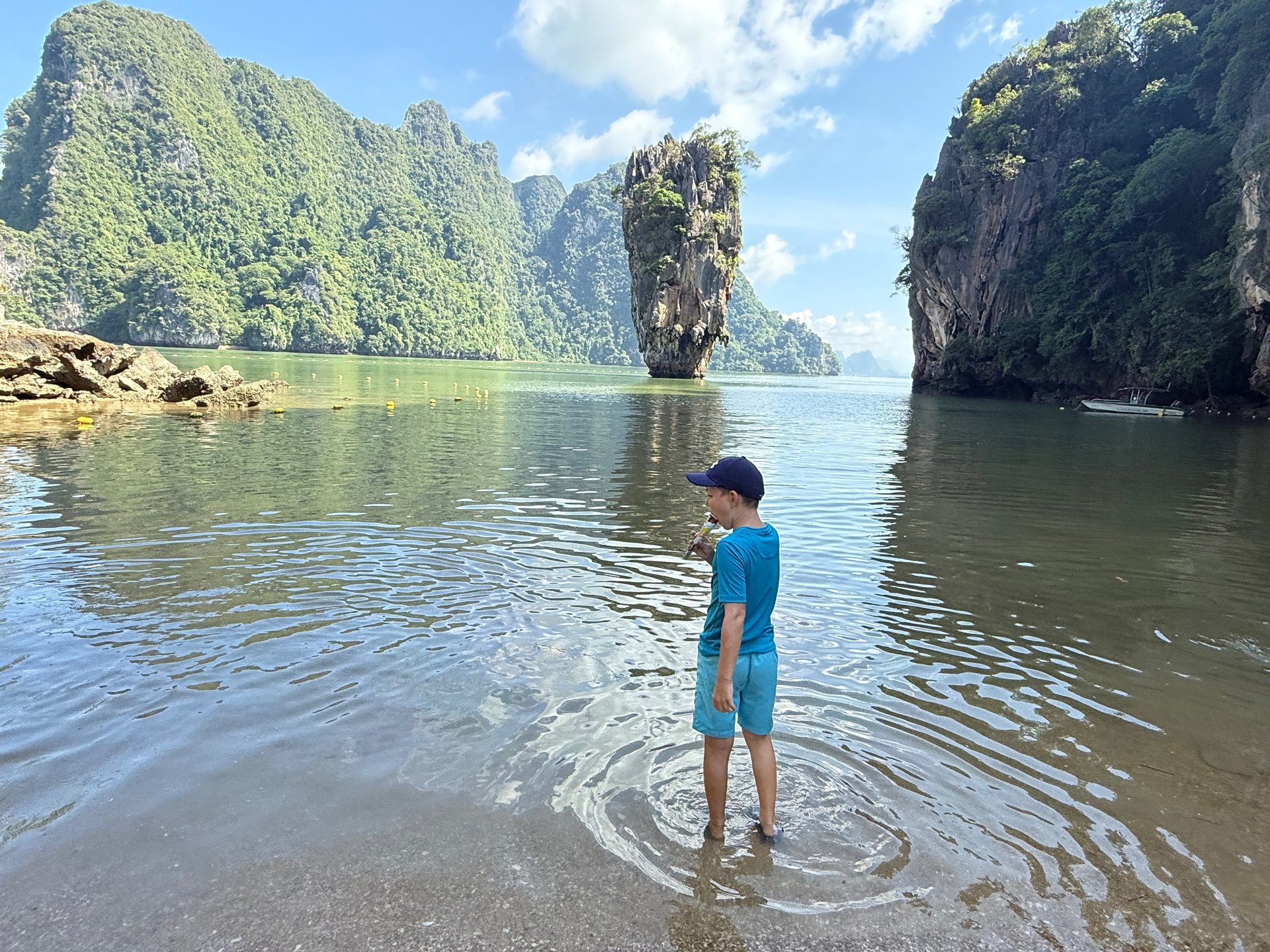
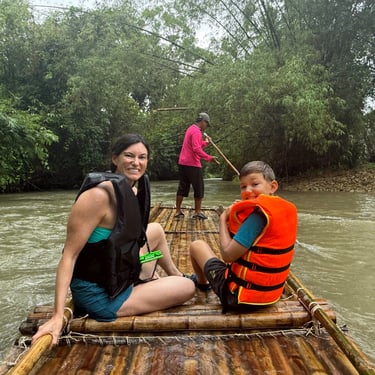
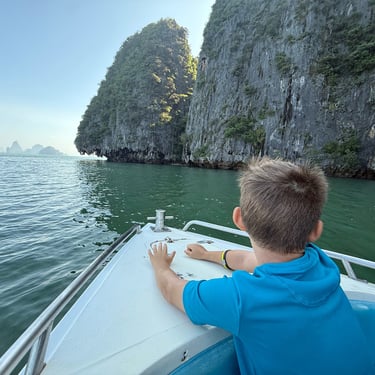
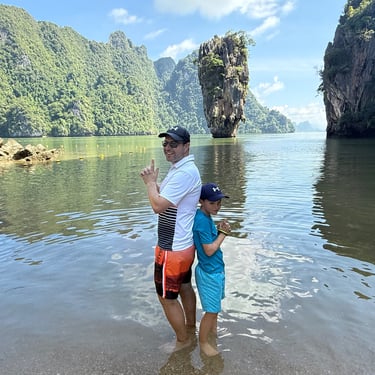
Highlights included an elephant experience, AVT riding and bamboo rafting tour, a James Bond / Phi Phi ‘The Beach’ Island boat tour, and plenty of downtime. This balance of activity and rest made Phuket one of the overall highlights of our trip. One thing worth noting is that Phuket is large, so we booked tours carefully based on where we were staying. It’s easy to accidentally choose a trip that involves an hour’s travel just to reach the starting point, which can really eat into the day with kids.
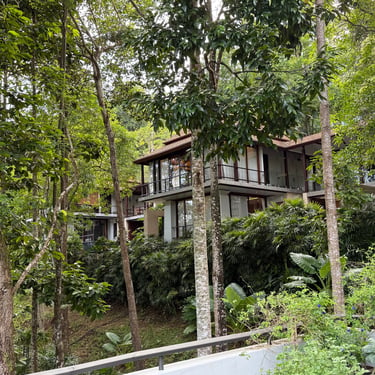
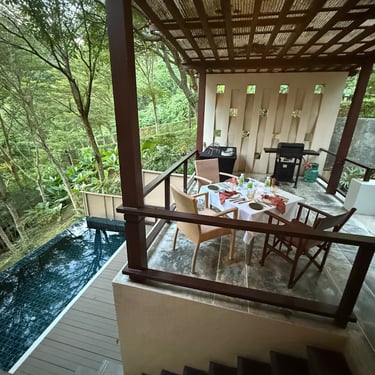
Our stay in South Phuket at Villa Zolitude was an absolute standout. The combination of jungle‑style accommodation, a private pool, floating lunch, and a private BBQ experience delivered that exotic Thailand feel we’d been hoping for and made this part of the trip feel genuinely special.
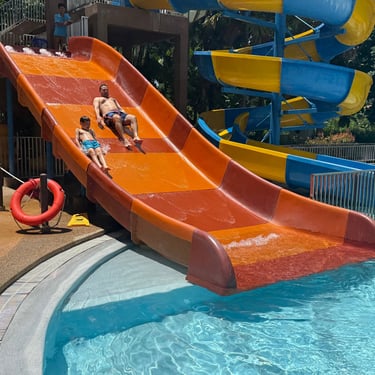
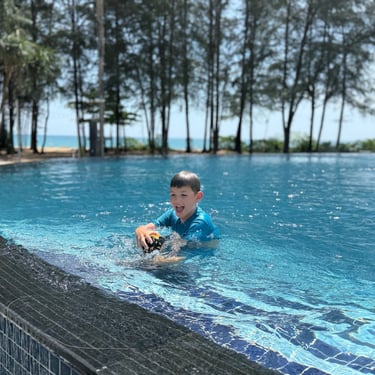
On the flip side, our accommodation in North Phuket at Splash Beach Resort, Mai Khao was disappointing. The water park was closed for all of August after we’d booked, with no refund offered. The hotel itself felt tired and very touristy. While it’s a perfectly fine family hotel, it didn’t quite have the magic or sense of place we were looking for. How this feels will really depend on what your family’s priorities are.


Packing for Thailand With Kids: What Actually Mattered
Packing wasn’t complicated, but a few things made a big difference to comfort. We travelled during UK summer holidays, which meant rainy season in parts of Thailand. It didn’t rain every day — but when it did, it poured.
Things we were genuinely glad we packed:
Lightweight rain jackets and a small umbrella
Proper trainers as well as sandals
Hats and high‑factor sun cream
A small backpack for day trips
You can buy almost everything locally, but having the basics from day one made travel days much easier.
Mistakes We Made (And What We’d Do Differently)
Trying to see too many temples.
Our biggest learning was trying to fit in too many temples (and Buddhas). They really are incredible, but kids hit their limit much faster than adults. By the end of the trip, Joshua was firmly in the “not another Buddha” phase — and if I’m honest, by that point they were starting to blur together for me too. If we were doing it again, we’d pick a couple of standout temples in each place and leave it at that.
Hotel choice matters more than you expect.
Space, swimming pools, and good breakfasts had a direct impact on how tired everyone felt. Some hotels looked great on paper but didn’t quite work for us in reality. With a bit more research upfront, we may have made different choices — especially when travelling in peak season with a child.
A challenge rather than a mistake: a cancelled flight home.
Our return flight was cancelled, which could have been incredibly stressful. For us, it worked out fine — but only because we acted quickly and approached the situation in the right way. We saw plenty of other families struggle with the same disruption. I’ve shared exactly what we did, and what we learned, here: Family Holiday Flight Cancelled? Your Rights, Compensation & How to Handle the Drama
You may also find this post helpful if you’re planning long‑haul travel as a family: Family Holiday Mistakes to Avoid: Credit Card Scams, Food Bugs, Hotel Charges & Cancelled Flights
Final Planning Insight for Parents
Thailand isn’t difficult to travel with kids, but it’s a destination where good planning makes a huge difference. If you focus on your route, limit the number of stops, choose transport wisely, and pick hotels that work for families, the trip feels manageable and memorable rather than overwhelming.
Planned well, Thailand offers an incredible mix of culture, nature, adventure, beaches, and downtime — and it’s a trip we’d happily do again with everything we learned.
Planning a Family Trip to the Thailand
If you’re planning a family trip to the Thailand, we’ve created a collection of practical guides based on our own experiences travelling there with a child. In our Thailand hub is a great place to start to support your planning, preparation and ensure you have an amazing experience.
About Plan Family Escapes
We’re a UK-based family sharing real, experience-led travel guides based on trips we’ve taken with our school-age son Joshua across destinations like Lapland, Turkey and India.
Everything we share is based on what we’ve personally experienced — with honest advice on what actually works when travelling with kids, focusing on making family travel easier, more comfortable and genuinely enjoyable.