What to Pack & Wear in Turkey With Kids: Family Packing List + Printable
Wondering what to pack and wear in Turkey with kids? Our family packing list covers clothes, shoes, swimwear and essentials, plus practical tips from our trip.
EUROPETURKEYPACKING
2/7/20269 min read
If you're wondering what to pack for Turkey with kids, the biggest challenge is preparing for several very different destinations without taking far more than you actually need.
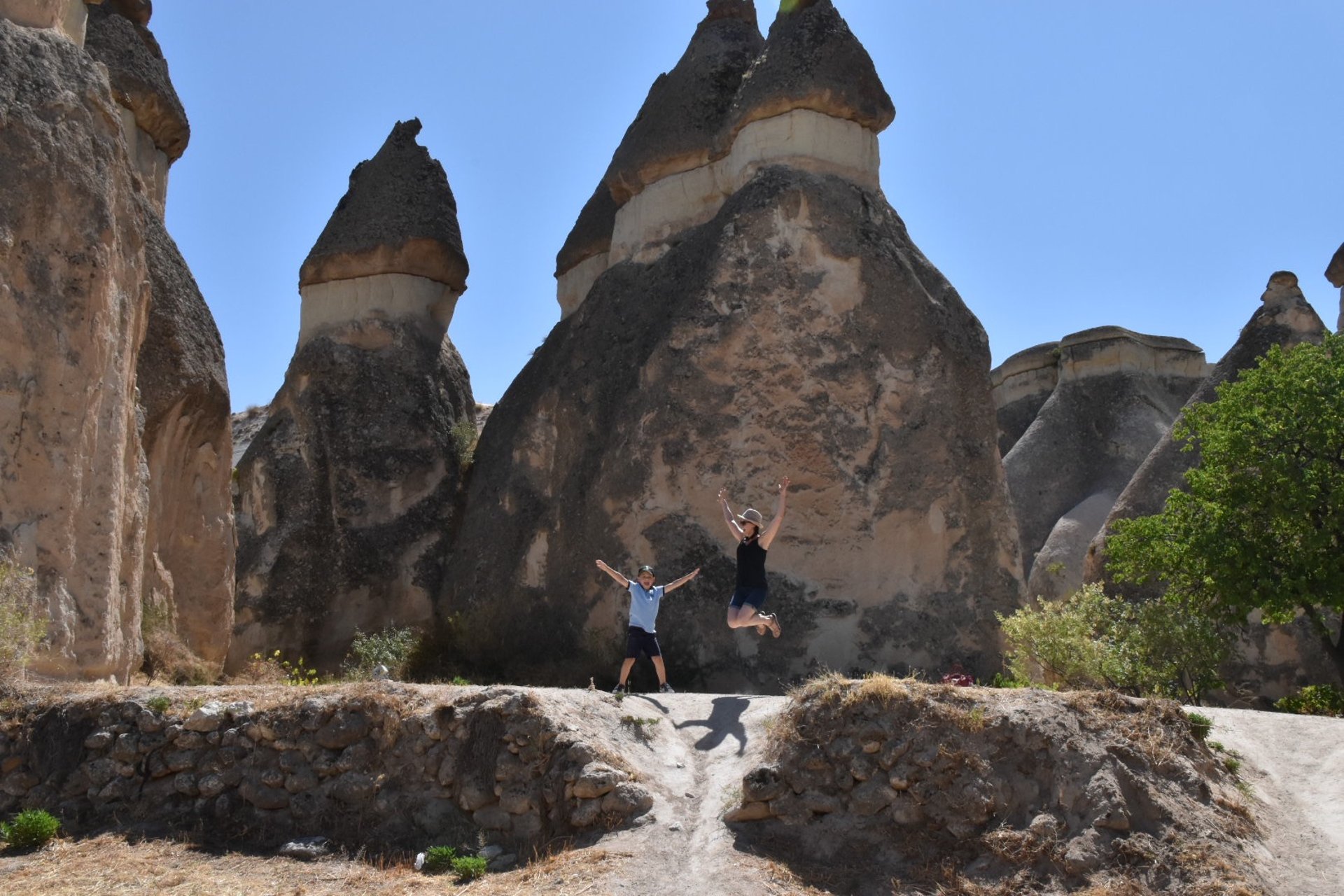
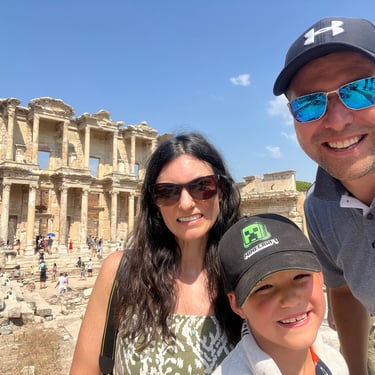
On our trip, we went from exploring ancient ruins in Ephesus and mosques in Istanbul to walking through the valleys of Cappadocia and paddling barefoot across Pamukkale's white terraces. What worked for one day didn't necessarily work for the next.
We travelled during the August school holidays, so our packing list for Turkey focused heavily on lightweight, breathable clothing, comfortable walking shoes and practical layers. When deciding what to wear in Turkey in summer, comfort was essential, but we also needed clothing suitable for visiting mosques and religious sites.
This guide is based on what we actually packed for ourselves and our seven-year-old son Joshua, including what we used, what we'd take again and what we'd leave at home next time.
In This Guide
Where helpful, we've included links to travel gear and items we've personally used or would pack again. Some may be affiliate links.
Quick Answer: What Do You Need to Pack for Turkey with Kids?
For our packing list for Turkey, the essentials were lightweight, breathable clothes, comfortable walking shoes, swimwear and a few layers for changing conditions. If you're deciding what to wear in Turkey in summer, prioritise cool, practical clothing that works for sightseeing and hot weather. We learned this firsthand travelling around Turkey with our seven-year-old son Joshua during the August school holidays.
If you’re planning your trip, this is the exact route we followed — and how we made it all work with kids.

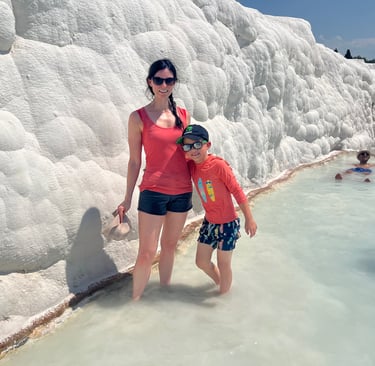

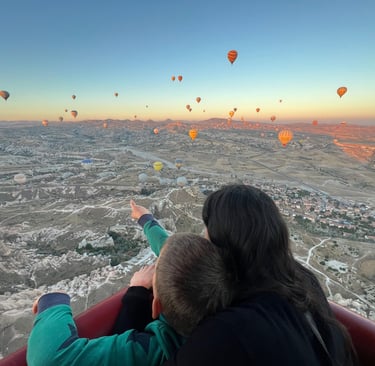
Swim Wear in Pamukkale
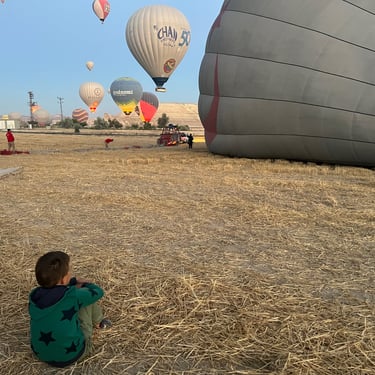
Jackets Early Morning in Cappadocia
What Should You Wear in Turkey?
One of the questions we had before travelling was what to wear in Turkey, particularly when moving between cities, ancient sites, hotels and mosques.
The reassuring answer is that there isn't a general dress code in Turkey for tourists. In Istanbul, major tourist destinations and coastal resorts, everyday Western clothing is completely normal. The main time you need to think more carefully about clothing is when visiting mosques and other religious sites.
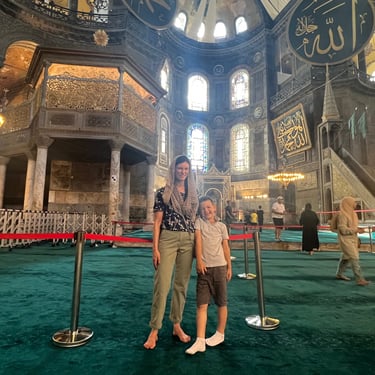
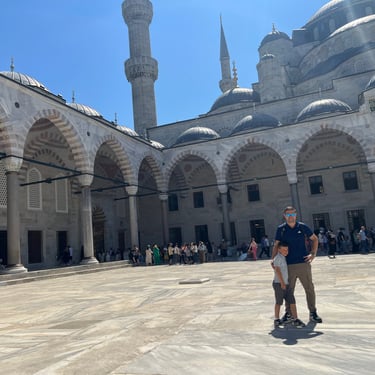
At active mosques, visitors are expected to dress modestly, with shoulders and knees covered. Women should also cover their hair, and everyone removes their shoes before entering prayer areas.
Many major tourist mosques provide scarves or wraps, but carrying a lightweight scarf yourself is an easy solution and takes up virtually no room in your day bag.
Can You Wear Shorts in Turkey?
Yes, you can wear shorts in Turkey. We visited during August and shorts were a practical choice for sightseeing in the heat.
However, if you're planning to visit a mosque, your knees and shoulders should be covered, particularly women. Keeping lightweight trousers, a longer skirt or an extra layer handy makes sightseeing days much easier. For kids, shorts were fine.
What Should Women Wear in Turkey?
Women don't need to dress conservatively everywhere in Turkey. In tourist areas, shorts, dresses, T-shirts and typical summer clothes are common.
For mosque days, lightweight trousers or a longer skirt, a top covering the shoulders and a scarf are the easiest combination. Loose cotton or linen clothing also works particularly well in the summer heat.
What Do Men Wear in Turkey?
Men can wear normal summer clothing, including shorts and T-shirts, when sightseeing. For mosques, shoulders and knees need to be covered, so longer shorts or lightweight trousers are the safer option.
What Should Kids Wear in Turkey?
For Joshua, we kept things simple: shorts, T-shirts, comfortable trainers, a hat and plenty of sunscreen.
With children, comfort matters far more than trying to pack special outfits. For religious sites, kids were generally not expected to wear long trousers, shorts and a t-shirt were fine for kids.
What Should You Not Wear in Turkey?
There's very little you categorically shouldn't wear in Turkey. It's more about dressing appropriately for where you are.
We'd avoid:
Very short or revealing clothing when visiting religious sites
Swimwear away from beaches, pools and resorts
Sleeveless tops or short shorts when entering mosques
Impractical footwear for long sightseeing days
In more conservative communities away from the major tourist areas, dressing a little more modestly can also be respectful of local customs.
Our biggest tip: don't overthink it. Pack normal comfortable holiday clothes, add a pair of lightweight trousers and a scarf for religious sites, and you'll be covered for most situations you'll encounter travelling around Turkey.

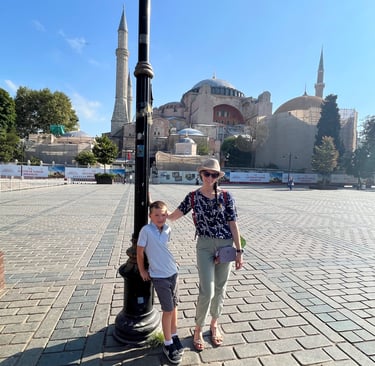

Sightseeing in Istanbul
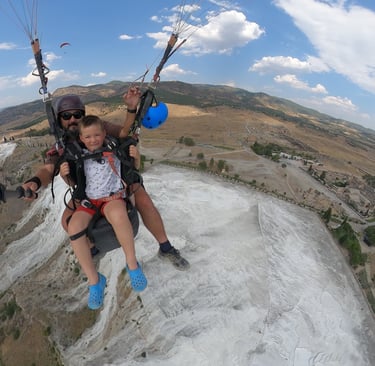
Paragliding in Pammukale
Average Weather in Turkey
The average weather in Turkey varies significantly depending on where and when you travel. Istanbul has more changeable conditions, while destinations such as Ephesus and Pamukkale can get very hot in summer. Cappadocia can also be hot during the day but noticeably cooler in the early mornings and evenings.
We travelled in August, so lightweight clothing, sun protection and plenty of water were essential, but other times of year require more layers.
For a month-by-month breakdown, see Best Time to Visit Turkey With Kids: Weather, Crowds & School Holidays.
Family Packing List for Turkey
Packing for Turkey with kids can feel like a lot because the trip isn’t one type of holiday. You might be walking around mosques in Istanbul, climbing in Cappadocia, exploring ancient sites like Ephesus, and then paddling barefoot in Pamukkale — often in serious heat.
Although this packing list is focused on Summer it would easily be translatable to the winter, autumn or spring perhaps with a few less shorts and more light jackets.
This is a Turkey packing list for families who want to keep things simple and practical. It’s built around:
hot days (especially Istanbul + Pamukkale in summer)
big walking days (ruins, bazaars, city sightseeing)
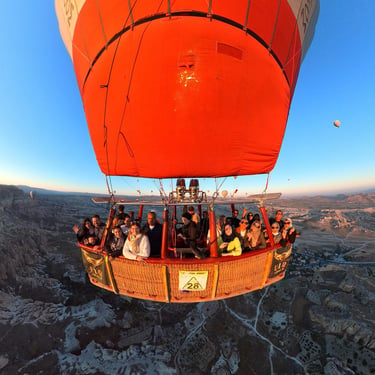
early starts where it might be a bit chilly (Cappadocia balloon mornings)
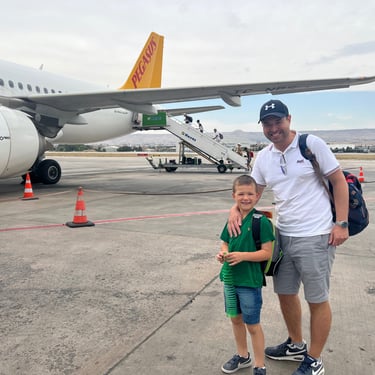
internal flights (hand luggage rules matter)
mixed environments (city, valleys, terraces, pools)
How Much do I REALLY Need when Visiting Turkey with Kids?
You don’t need loads. You need the right things:
shoes that can handle cobbles + ruins + uneven terrain
sun protection you’ll actually use
lightweight layers for temperature swings
a day bag setup that stops you buying water and snacks constantly

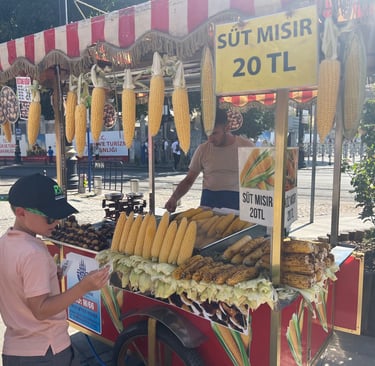

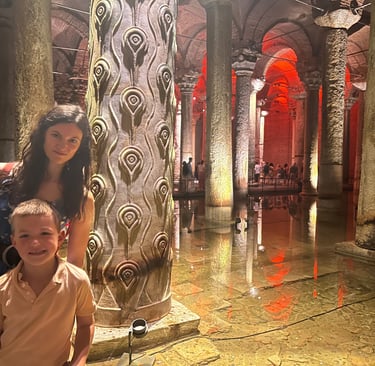
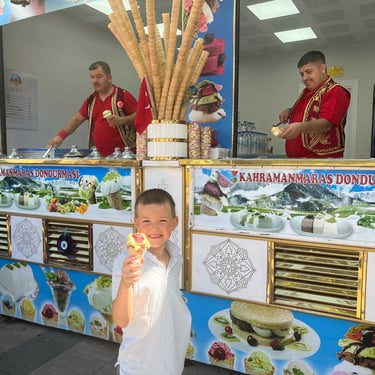
Sampling street food in Istanbul, Turkey
Basilica Cistern in Istanbul Turkey
What Clothes to Pack for Turkey
As I mentioned, Turkey’s weather can shift a lot depending on region and time of day. In summer:
Istanbul can be hot and humid, with cooler evenings
Cappadocia can be warm in the day but surprisingly cooler in the early mornings and evenings
Pamukkale can feel scorching on the bright white terraces
What we packed (and actually used):
shorts, t-shirts, light dresses (daytime)
one light jumper/cardigan each (evenings + air‑con buildings)
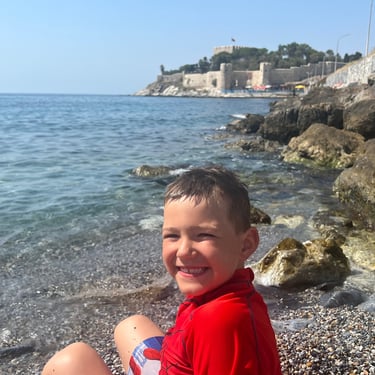
swimwear (essential for pools, beach add-ons, and Pamukkale)
comfortable walking shoes for everyone (the non-negotiable)
sandals that properly strap on (ruins and cobbles aren’t forgiving)
hats + sunglasses
sun protection swim top for Joshua when he was younger (very worth it)
Mosque visits:
shoulders and knees covered
scarf for women (carry one in your day bag)
children do not need to cover up
Hot-weather add-on that we’d pack again: a small handheld fan or cooling towel (made a noticeable difference in Istanbul and Ephesus)
Istanbul was the main place we found we needed to cover up, for a more in depth look at what to expect when visiting Istanbul see: Istanbul With Kids: Best Things to Do, Where to Stay & Family Tips
What Shoes to Pack for Turkey
If you take one thing from this guide, let it be this: do not wing the footwear.
Turkey is full of:
uneven stone
cobbles
dusty paths
slippery surfaces (Pamukkale)
We aimed for:
supportive trainers for walking days
strapped sandals for hot city days
swim shoes if you’re doing Pamukkale (slippery and uncomfortable barefoot for some kids)
Sightseeing Essentials for Turkey
Turkey is a “walking and heat” trip. Having the right basics makes everything easier.
We always had:
refillable water bottles (you’ll use them constantly)
sunscreen + SPF lip balm
wet wipes + hand sanitiser (street food, dusty ruins)
a lightweight day backpack
The 4 Travel Items That Made the Biggest Difference
We packed plenty, but these were the items that actually changed the day-to-day experience.
Travel sickness tablets
We don’t travel without them. Boats, long drives, even some flights. If your family is prone to motion sickness, this is a quiet trip-saver.eSIM / data plan
Instant data for maps, translations, bookings, and getting around without hunting for WiFi.Power bank
You will burn phone battery faster than you expect.Proper travel insurance
Especially for activities and busy travel days.
Tech and Entertainment (Flights + Waiting Time)
Even the best itinerary has downtime, queues and travel gaps.
What worked for us:
tablet with headphones (flights and long waits)
chargers + one power bank each day
Important for Turkey internal flights:
power banks must stay in hand luggage
Plugs:
most hotels use European plugs, so UK travellers will need an adaptor
Photos/video:
phones were fine
but for hands-free filming and better footage, an action cam is useful
Toiletries and Health (What We Were Glad We Had)
This is the section where families either pack smart or end up stress-buying in a pharmacy.
We carried:
plasters + antiseptic wipes
antihistamines
children’s pain relief
rehydration salts (highly recommended in summer heat)
prescription meds in original packaging
insect repellent (one suitable for children, one for adults)
A small add-on that helped us (because we’ve learned the hard way):
swimming ear drops/pre-treatment (we’ve had travel-related ear infections before; since using this, no issues)
Travel sickness:
if your family needs it, pack it. Finding the exact equivalent abroad can be surprisingly stressful.
Optional but Useful (Only If It Fits Your Family)
These aren’t essentials, but they helped:
travel wash / detergent sheets (if you’re doing mid-trip laundry)
favourite snacks for picky eaters
travel pillow for early flights
waterproof phone pouch if you’re around pools/boats
waterproof shoes for Pamukkale
Luggage: What Suitcase Actually Works for a Family Trip
For multi-stop trips, a suitcase that keeps you organised matters more than aesthetics.
We love our Surfanic Maxim 3.0 120L roller bags for big trips because:
the split design keeps wet/dry and clean/worn separated
they hold more than you expect
they’ve survived years of travel
We also pop an AirTag in each bag. It’s a small thing that makes travel days less stressful.
Packing Strategy (The Bits That Prevent Disaster)
Two habits made the trip smoother:
packing cubes (or zip bags) to keep kids’ clothes organised
one “day one” outfit + swimwear in carry-on, in case luggage is delayed
Also: don’t overpack. Turkey has markets and shops everywhere. If you forget something small, you can buy it.


Visiting Saint Mary's House in Turkey
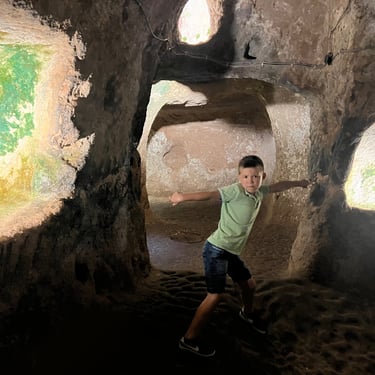
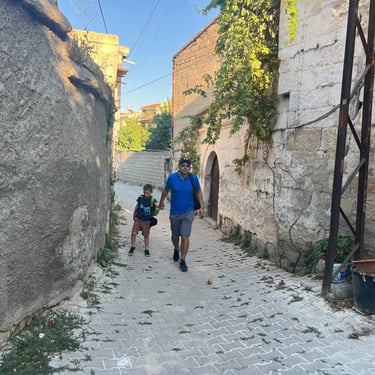
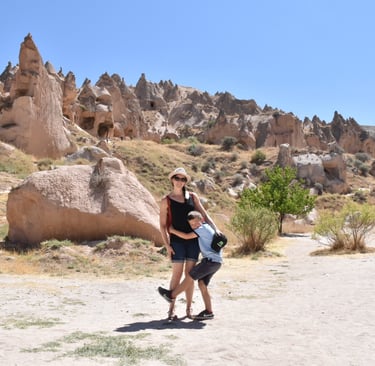
Exploring Cappadocia in Turkey
Key Takeaways - What to Pack for Turkey with Kids
Packing for Turkey with kids is about comfort and practicality, not having loads of stuff.
Prioritise:
good walking shoes
sun protection that you’ll actually use
lightweight layers (Cappadocia mornings vs Istanbul afternoons)
snacks + water strategy
a simple, reliable day bag setup
planning turkey with kids?
If you’re still deciding between booking a tour or planning it yourself, or want to understand how to pick the best tour for your family, these guide breaks down everything you need to know:




About Plan Family Escapes
We’re a UK-based family sharing real, experience-led travel guides based on trips we’ve taken with our school-age son Joshua across destinations like Lapland, Turkey and India.
Everything we share is based on what we’ve personally experienced — with honest advice on what actually works when travelling with kids, focusing on making family travel easier, more comfortable and genuinely enjoyable.