
Driving in the USA: What European Families Should Know Before a Road Trip
Planning a US road trip? Learn what European families should know about driving in the USA, including rental cars, fuel, car seats, and road rules.
NORTH AMERICASOUTH DAKOTACOLORADORESOURCESFLORIDA
4/30/202613 min read
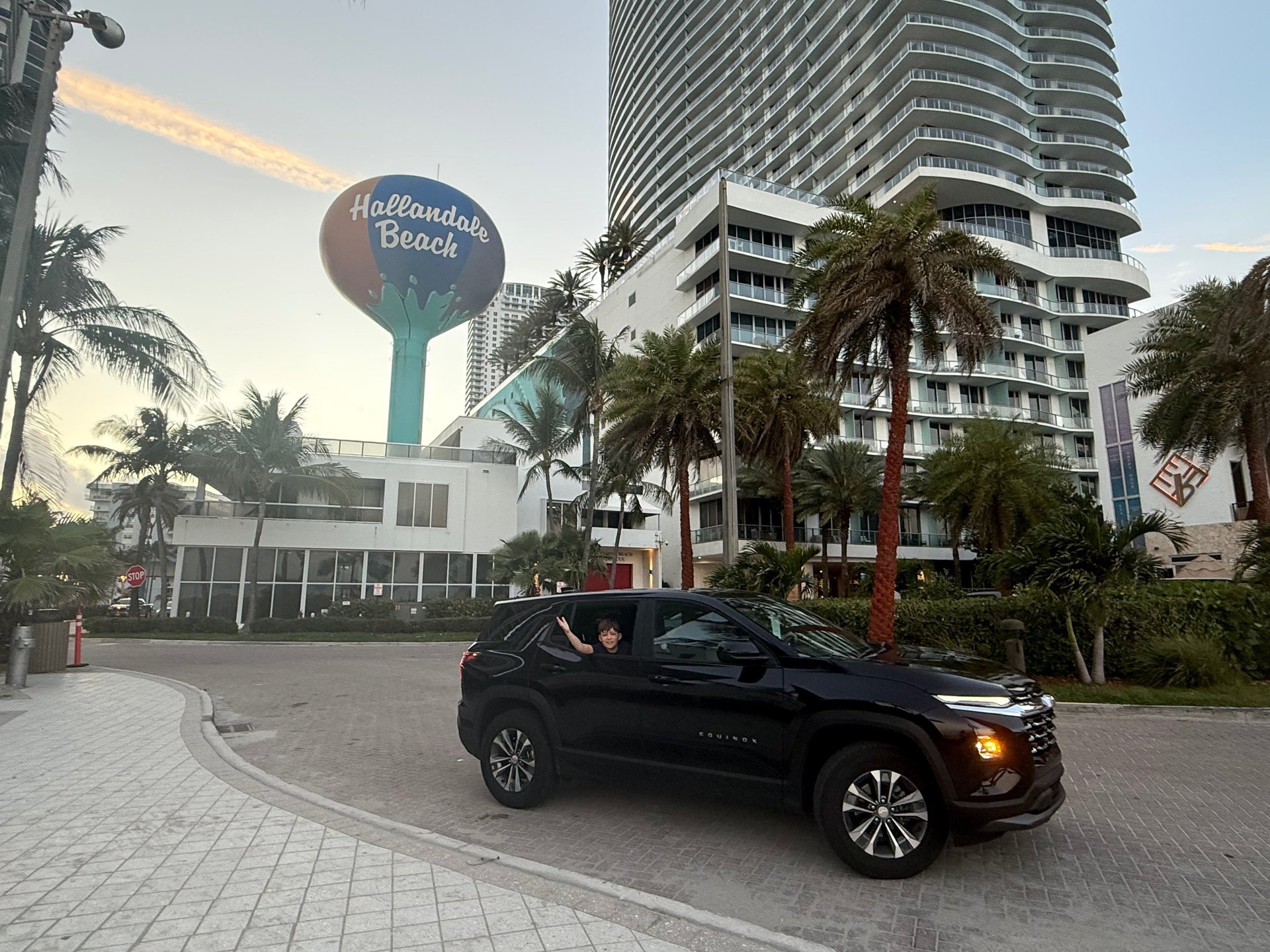
If you’re wondering what Europeans need to know before driving in the USA, this guide is for travellers — especially UK families — who want to feel confident behind the wheel before setting off on a road trip.
Driving in America can feel like a big step if you’re used to European roads. From different traffic rules to driving on the opposite side of the road, there are a lot of small differences that can make it feel unfamiliar at first. That said, once you understand the basics, driving in the USA for Europeans is often easier than expected, particularly outside major cities.
This guide is for travellers looking for clear, practical answers to:
is driving in the USA different from Europe for tourists
the rules for driving in the USA with a UK licence
whether you need an international driving permit in the USA from the UK
and the main things to know before renting a car in the USA
Quick Answer: Is It Easy for Europeans to Drive in the USA?
From our experience — yes, driving in the USA is surprisingly straightforward for Europeans, especially once you get past the initial adjustment of driving on the right.
Roads are generally:
wider
well-signposted
and designed for longer, more relaxed journeys
The biggest differences tend to be:
road rules (like turning right on red)
automatic cars (standard in the US)
and adjusting to the scale of distances
For UK drivers in particular, the first hour or two takes focus — but after that, it becomes much more natural.
We’ve driven in the US on family trips and found that once you understand the key differences from Europe, it actually becomes one of the easiest and most flexible ways to explore — especially when travelling with children.
Where relevant, we’ve included the rental platforms, insurance options, and tools we used or considered when planning our trips. Some of these are affiliate links, which means we may earn a small commission if you book through them — at no extra cost to you. We only recommend options that genuinely make planning and driving in the USA easier, particularly for first-time visitors.


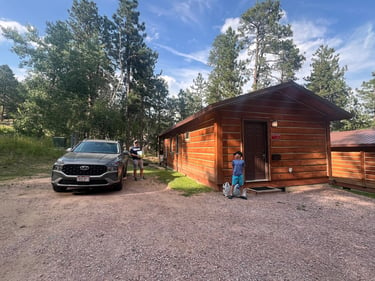

What Europeans Need to Know Before Driving in the USA
One of the biggest concerns for UK and European travellers is whether driving will feel difficult. From our experience, driving in the USA is often easier than expected — especially outside major cities.
Roads are generally wider, clearly signed, and designed for long-distance travel. The main challenge tends to be driving in cities — the traffic in places like Miami was far more intense than anything I experienced even while living in London.
The key differences to be aware of include:
automatic cars are standard
4‑way stop intersections are common
fuel is sold by the gallon
car seat laws vary by state
valet parking is common in hotels
None of these are difficult once understood, but knowing them in advance helps you start your trip with confidence.
Booking a Rental Car for a Family Road Trip
When it comes to renting a car in the USA from the UK, using a comparison site makes things much easier.
We typically use platforms like:
This helps compare prices across providers and find family-friendly vehicle options.
From experience, the most important things to check are:
insurance coverage
additional driver fees
luggage capacity
child seat options
For most families, a mid-size SUV or larger vehicle works best. Suitcases for international travel are bigger, and space fills up quickly once you’re on the road.
Driver Age Requirements in the USA
The legal driving age in the USA varies by state, often between 16 and 18.
However, for rental cars:
most companies require drivers to be at least 21
drivers under 25 usually pay an additional fee
This is important for families where more than one adult plans to drive.
Do You Need an International Driving Permit (IDP)?
An IDP is simply:
a translation of your licence
recognised internationally
In most cases, UK licences are accepted as they are issued in English. However, it’s always worth checking the requirements of your rental company in advance to avoid any issues at pick-up.
If you’re travelling from Europe, you may need an International Driving Permit (IDP) alongside your driving licence, depending on the language your licence is issued in.




Things European Drivers Should Know About Driving in the USA
Automatic Cars vs Manual (What UK Drivers Should Expect)
One of the biggest adjustments for European drivers is that almost all US rental cars are automatic.
If you’re used to manual:
it can feel unfamiliar at first
but most drivers adjust within minutes
From our experience, automatics actually make long drives easier:
less effort in traffic
no gear changes
more relaxed on highways
For family road trips, this is definitely a positive.
Driving on the Right Side (First Adjustment for UK Drivers)
For UK and European travellers, the biggest initial difference is driving on the right-hand side of the road.
From our experience, this feels unusual at first — particularly when:
turning at intersections
pulling out onto quieter roads
The first hour or two requires concentration, but it becomes surprisingly natural quite quickly. After that, it stops feeling like a major difference.
Understanding 4-Way Stops
One traffic rule that often surprises European drivers is the 4-way stop. At these intersections, every car must come to a complete stop before proceeding.
The rule works as follows:
The first car to arrive goes first
If two cars arrive at the same time, the vehicle on the right has priority
Drivers generally follow this rule politely, and once you experience it a few times it becomes easy to understand.
Road Signs and Speed Limits (What’s Different)
Driving in the USA is generally straightforward because roads are well designed and clearly signed.
A few key differences to be aware of:
speed limits are shown in miles per hour (mph)
limits are strictly enforced, especially near towns and school zones
road signage is clear and consistent across states
From our experience, navigation is usually easier than in many parts of Europe — particularly on highways.

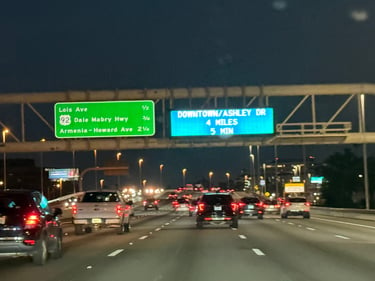
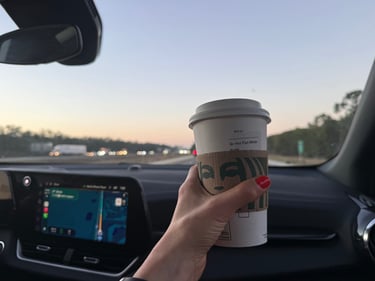

Do You Need a Sat Nav in the USA?
The short answer is: no — you don’t need a separate sat nav when driving in the USA.
From our experience, using Google Maps on your phone is more than enough, and actually much easier than relying on a built-in sat nav. It gives you real-time traffic updates, alternative routes, and easy search for stops along the way — all of which are really helpful when you’re driving somewhere unfamiliar.
The only thing you do need is reliable data.
Without it, navigation becomes much harder — especially when:
routes change
you need to find petrol stations or food stops
or you take a wrong turn (which will happen!)
The easiest solution is to set up an eSIM before you travel, so you have data as soon as you land. It means you can rely on Google Maps straight away without worrying about WiFi or roaming charges.
You can also download offline maps in Google Maps as a backup, but from our experience, having data makes everything much smoother — particularly in the first few days when you’re still getting used to the roads.
Tolls in the USA (Where Costs Add Up Quickly)
Tolls were one of our biggest unexpected costs — and what surprised us most was that many roads are now cashless, so you’ll need a toll pass (either through the rental company or something like SunPass) to avoid extra fees.
On a 2‑week Florida trip, we spent around £182 on tolls, mainly using the rental company’s daily package at $13.50 per day, which felt easy at the time but added up quickly.
In reality:
most tolls are small ($0.50–$5)
but frequent use means costs stack up — especially in states like Florida
Toll usage also varies by region, with states like Florida, New York, and California having far more toll roads than others.
What we’d do differently: buy a local transponder for under $20 and pay as you go — it’s a simple change that can save a surprising amount over a longer trip.
Fuel, Parking and Everyday Differences
A few small practical differences often catch visitors out:
fuel is sold by the gallon (not litres)
prices may vary for cash vs card
some pumps require a ZIP code (pay inside if needed)
Valet parking is also common in many areas, and tipping around $2–$5 is standard.
We noticed Fuel costs were significantly cheaper than the UK.
If you’re unfamiliar with tipping in general, Tipping in America Explained for British Families helps avoid awkward moments
Do you need insurance when renting a car in the USA, and is it mandatory?
Yes — car insurance is required in the USA, and most states legally require at least basic liability cover.
When you rent a car, the minimum required insurance is usually included — but it only covers damage to other people and property, not the rental car itself.
Some states (like Florida in many rental setups) include full insurance cover (e.g. zero excess) by default, but this isn’t consistent across the country.
The key takeaway: insurance rules vary by state, so it’s always worth checking what’s included before you travel — otherwise you risk either overpaying for extras or not having enough cover.


What Driving in the USA Feels Like with Kids
For children, driving often becomes part of the experience.
What worked really well for us:
changing landscapes
spotting wildlife
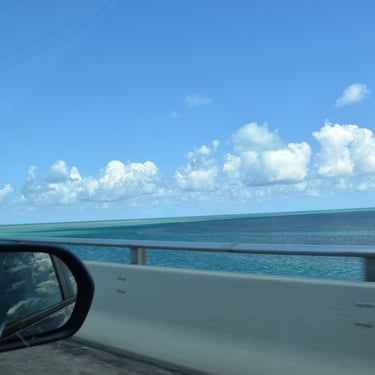
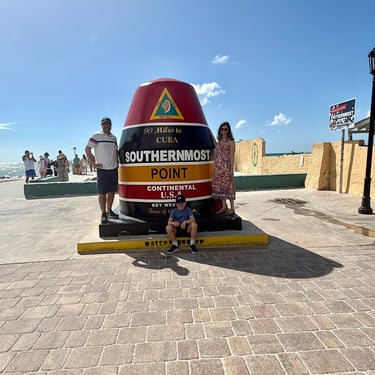
scenic routes (like Florida Keys or Colorado)
roadside stops and diners
What can be harder:
long distances (2–4 hours is common)
fatigue after flights
needing regular breaks
Our biggest tip: plan stops every 1.5–2 hours to keep things manageable.
Car Seats and Driving with Children in the US
Rental companies do offer car seats, but many families prefer to bring their own. From our experience, travel-friendly options like the Car seat laws vary by state, but generally:
younger children require rear or forward-facing seats
booster seats are needed up to around age 8
From our experience, travel-friendly options like the Trunki Booster Seat work really well for older children — especially if you’re switching between cars or using taxis — and I love that it doubles as a backpack.
One thing to be aware of is that the USA uses different safety standards to the UK and Europe, so not all travel seats are officially certified for use there. In practice, many families still use European-approved booster seats for short visits without any issues, but it’s worth being aware of.
The key is to:
check the age/height requirements for the state you’re visiting
understand what your rental car insurance expects
and make sure your child is using a seat appropriate for their size
From our perspective, it’s less about the exact model and more about making sure you’re compliant with local rules and using something your child is comfortable with for the duration of your trip. work really well for older children — especially if you’re switching between cars or using taxis — and I love that it doubles as a backpack.
Cities and Traffic in the USA (Why Avoiding Rush Hour Matters)
From our experience, driving in the USA is easy — until you hit a major city.
Places like Miami, New York or Los Angeles are where it suddenly becomes much harder. The roads themselves are still simple, but traffic can feel heavy and unpredictable, especially if you arrive at the wrong time of day. Miami in particular felt like the busiest driving we experienced — far more intense than we expected.
The biggest thing that helped us was simply avoiding peak times. If you can, don’t plan to drive into or through cities:
early morning (around 7–9am)
late afternoon (around 4–7pm)
or Friday afternoons, which tend to be the worst
Instead, aim to:
arrive earlier in the day or later in the evening
or stay just outside the centre and drive in when needed
From our perspective, the easiest strategy is to treat city driving as something to minimise, not just “cope with.” If possible:
arrive in cities after rush hour, not during it
stay near the airport or edge of the city if you need an overnight stop
and always check hotel parking in advance, especially in places like Miami, New York or Boston where parking can add extra cost and friction.
That’s really the key family insight here: driving in the USA is usually easy — until you hit a major city at the wrong time. Plan around that, and most of the stress disappears.
Practical Driving Tips for Families Visiting the USA
A few simple adjustments can make a big difference to how comfortable and manageable a US road trip feels with kids.
From our experience, these are the things that helped most:
Download offline maps in Google Maps before you travel
Use an eSIM so you have data straight away for navigation and route changes
Plan rest stops every 1.5–2 hours — ideally somewhere with something to see or do
Carry snacks and water for longer drives (a small cool bag is useful)
Check hotel parking arrangements in advance, especially in cities
Avoid driving straight after overnight flights where possible
Let the kids create a road trip playlist to keep them engaged
Get a plug in cool bag to keep drinks and lunches chilled for longer legs
We’d also always recommend having travel insurance in place before a road trip, and we personally use providers like Just Travel Cover, as they offer policies tailored for US travel. Healthcare costs in the US are high, so having the right cover gives real peace of mind if anything unexpected happens — especially when travelling with children.
For more information on the importance of travel insurance in the US, see: Travel Insurance for the USA: Why You Cannot Get This Wrong
Most of these are small, but together they make driving feel much easier — especially in the first few days while you’re still adjusting.




Recommended Family Road Trip Itineraries in the USA
If you’re planning a trip beyond the main cities, this is where driving in the USA really comes into its own.
From our experience, some of the best family trips we’ve taken in the US have involved road trips — not just because of the destinations, but because the journey itself becomes part of the experience. With kids, that flexibility makes a huge difference compared to relying on fixed transport.
Florida Road Trip (Best for First-Time US Family Trips)
One of the easiest and most rewarding routes for families is a Florida road trip, which combines nature, beaches, and theme parks in a very manageable way.
On our own trip, we travelled: Everglades → Florida Keys → Miami → Orlando
What made this work so well for families:
short, manageable driving distances
plenty of places to stop along the way
a mix of outdoor adventure and familiar attractions
If you’re considering this route, 2‑Week Florida Family Itinerary: Everglades, Florida Keys and Theme Parks shows how to structure it step-by-step.
Colorado to Mount Rushmore (Best for Scenery and Adventure)
For something more adventurous, our Colorado to Mount Rushmore road trip was a completely different experience — but just as memorable.
This route included:
the Colorado Rockies
outdoor activities like rafting and ziplining
and iconic stops like Mount Rushmore
From our experience, this type of trip works best with:
slightly older kids
families who enjoy outdoor activities
longer, scenic driving days
The key difference here is that the driving becomes part of the highlight, rather than just a way of getting between places.
You can see exactly how we planned it here: 7‑Day Family Road Trip Itinerary from Denver to Mount Rushmore
Final Verdict: Is Driving in the USA Easy for European Families?
From our experience — yes, driving in the USA is easy and often the best way to travel as a family.
It gives you:
flexibility
control
and access to places you simply can’t reach otherwise
While there are small differences from Europe, they’re easy to adjust to.
Once you get beyond the first day, driving in the US often becomes one of the most enjoyable parts of the entire trip.
FAQs: Driving in the USA for European Families
Is driving in the USA easy for European and UK drivers?
Yes — from our experience, driving in the USA for Europeans is much easier than expected.
The main adjustment is driving on the right, but once you get used to that, roads are generally:
wider
clearly signed
designed for long-distance travel
The biggest challenge tends to be city driving and traffic, rather than the driving itself.
What do Europeans need to know before driving in the USA?
The key things to understand before you start are:
cars are usually automatic
you may encounter 4-way stops
fuel is measured in gallons, not litres
tipping and valet parking are common
None of these are difficult — but knowing them in advance makes a big difference to confidence on your first day.
Do you need an International Driving Permit in the USA from the UK?
In most cases, UK drivers don’t need an International Driving Permit (IDP) as licences are already in English.
However:
some rental companies may request one
some states recommend it
From a planning perspective, it’s worth checking before you travel to avoid issues at pick-up.
Is it better to drive or use public transport in the USA with kids?
It depends on your destination.
For cities like New York:
public transport is easier
a car isn’t needed
But for most other trips — including Florida, national parks, or road trips — driving is usually:
more practical
more flexible
and essential for getting around
What is the biggest mistake Europeans make when driving in the USA?
From our experience, it’s underestimating distances and travel time.
Journeys that look short on a map can take much longer, especially around cities. Trying to do too much driving in one day can quickly become tiring — particularly with kids.
Planning shorter driving days makes a big difference.
What are the worst cities for traffic in the USA?
Major cities are where driving feels hardest.
From experience and typical patterns, the busiest places include:
New York
Los Angeles
Miami
Chicago
Traffic can be heavy and unpredictable, especially during peak times.
The easiest way to manage this is to:
avoid rush hour
or avoid driving in cities altogether where possible
When should you avoid driving in US cities?
The busiest times to avoid are:
7:00–9:30am (morning commute)
4:00–7:30pm (evening peak)
Friday afternoons (often the worst)
From our experience, timing your arrival outside these windows makes a huge difference.
Is renting a car in the USA from the UK straightforward?
Yes — renting a car in the USA from the UK is generally very straightforward.
Booking through price comparison websites like Holiday Autos or Trip makes the process much easier, as you can:
check prices across multiple providers
compare car sizes
understand what’s included in the rental
The main things to check are:
insurance coverage
luggage space
child seats
Is driving in the USA safe for families?
Yes — from our experience, the US is a safe place to drive as a family.
Roads are well maintained, signage is clear, and driving standards are generally predictable.
The main thing is adjusting to:
local rules
longer distances
and fatigue on longer journeys
We’d always recommend having travel insurance in place before a road trip, and we personally use providers like Just Travel Cover, as they offer policies tailored for US travel. Healthcare costs in the US are high, so having the right cover gives real peace of mind if anything unexpected happens — especially when travelling with children.
Do you need mobile data or a sat nav when driving in the USA?
You don’t need a separate sat nav.
From our experience, Google Maps is more than enough, but you do need reliable data.
That’s why it helps to:
set up an eSIM before you travel
or download offline maps as a backup
plan your next us FAMILY road trip
If you’re planning a US family road trip, these are the key guides that will help you pull everything together.






About Plan Family Escapes
We’re a UK-based family sharing real, experience-led travel guides based on trips we’ve taken with our school-age son Joshua across destinations like Lapland, Turkey and India.
Everything we share is based on what we’ve personally experienced — with honest advice on what actually works when travelling with kids, focusing on making family travel easier, more comfortable and genuinely enjoyable.