Is Skiing Good for School-Age Children?
At what age should kids start skiing? A realistic parent guide covering age 5+, resilience, confidence, costs and whether ski trips are worth it.
ITALYEUROPESKIPASSO TONALERESOURCES
2/23/20265 min read
If you’re thinking about a family ski trip, you’re probably asking a few key questions:
What age should children start skiing?
Will they actually enjoy it?
Is it worth the cost and effort as a family holiday?
Because skiing isn’t the easiest trip to organise — and for many families, it’s a big investment.
This guide is for parents with school‑age children who are considering their first (or early) ski trip and want an honest view of whether it’s a good fit — not just in theory, but in real family life.
Quick Answer: Is Skiing Worth It for School‑Age Children?
Yes — for us, it’s been one of the most rewarding types of family holiday.
But it works best when:
expectations are realistic
the resort matches your child’s stage
and the trip is structured in a way that keeps things manageable
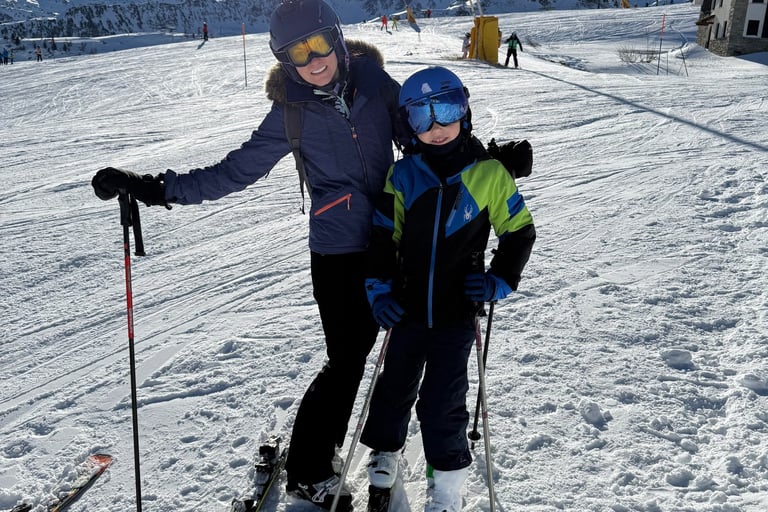
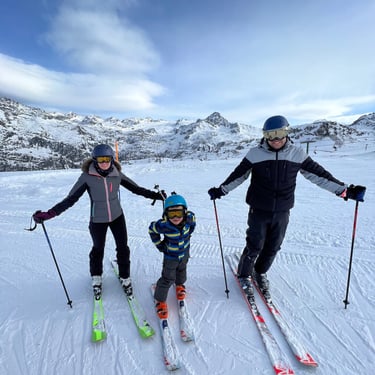
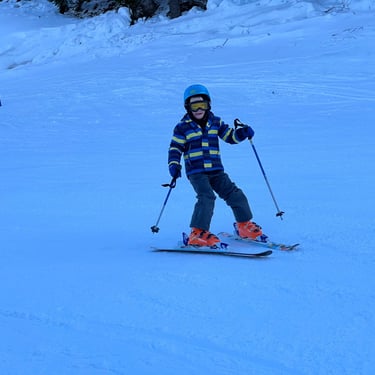
We’ve now skied over several seasons with our son Joshua, who started lessons at five and is now nine and transitioning into snowboard lessons. We’ve seen how children learn, what works, what doesn’t — and how much the experience changes as they grow.
We’ve also booked these trips in different ways, often through Crystal Ski when we wanted a more structured and simplified setup with lessons, childcare and logistics already organised. That made a big difference to how easy the trip felt — especially in the early years.
Some links in this guide may be affiliate links, meaning we may earn a small commission at no extra cost to you. We only recommend options we’ve personally used and would choose again.
From here, we’ll look at:
what skiing is really like for school‑age children
the benefits (and challenges) to expect
videos of our different trips
and how to decide if it’s the right type of trip for your family
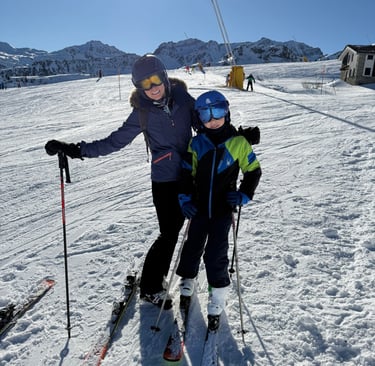
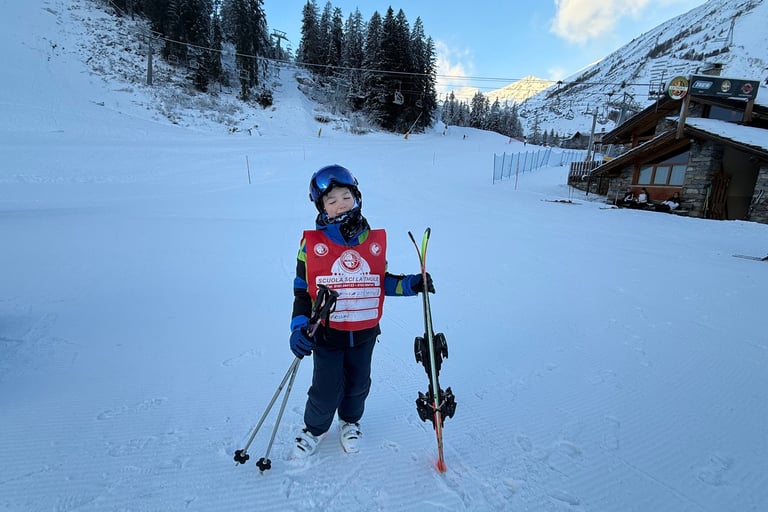
At What Age Should Children Start Skiing?
Most European ski schools accept children from around age 4–5, depending on the resort.
For many families, though, the more useful question isn’t “what’s the earliest age?” — it’s:
What’s the best age for a first ski trip that actually works?
Our Experience
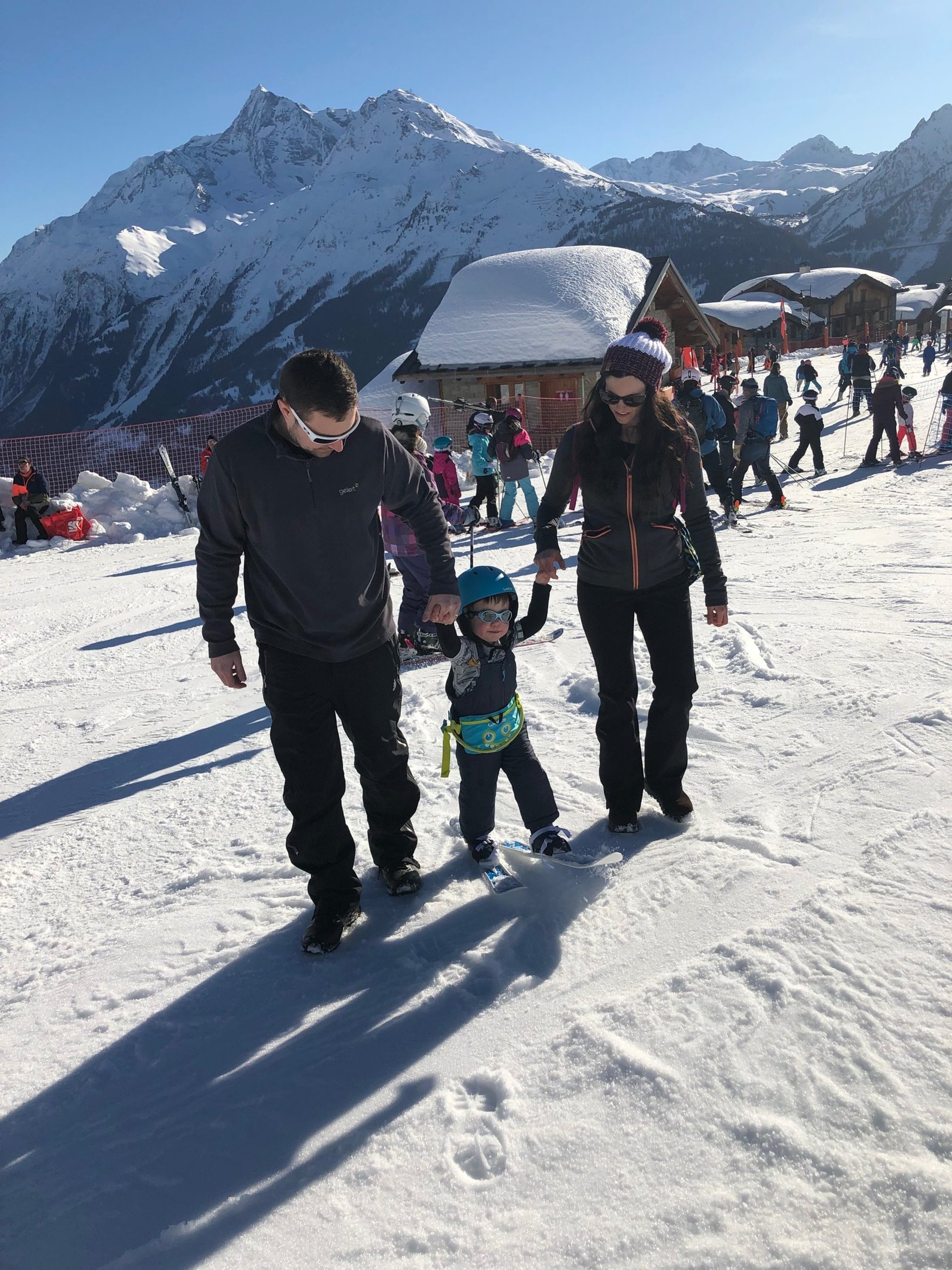
Joshua started skiing at five in La Thuile and continued there until age eight.
For us, five felt like the right starting point because he could:
follow structured instructions
manage a longer lesson format
understand basic safety
and was excited to learn independently
The longer lesson structure in La Thuile also made a noticeable difference to his progression — something we’ve covered in more detail here:
→ La Thuile Ski School Review: Our Honest Experience with Kids
This is the setup we used when Joshua first learned to ski — having lessons, accommodation and logistics all handled made it much easier - View the Package We Used
Why Five Works Well
From our experience, around age five is where things tend to come together:
coordination improves
focus lasts longer
and resilience starts to develop
Earlier can work — but it depends more on the child.
The Reality (Not Always Easy)
That said, starting at five wasn’t effortless.
There were days when:
he was cold or tired
frustrated after falling or getting stuck
or overwhelmed by a run that felt too difficult
there were tears (from the cold)
And ski school brings independence quickly.
Instructors aren’t there to solve everything — children need to:
manage small practical challenges
ask for help
handle things like layers, gloves and even toilet breaks themselves
At the time, that was uncomfortable.
But it was also where the biggest growth happened.
Our Take
Skiing at this age isn’t just about learning a skill.
It builds:
confidence
independence
and resilience much faster than most holidays
For us, that’s what made it worth it.
If you’re still picturing how this works in practice, this is the type of trip we used for our early ski holidays - See What’s Included in the Trip


Cold & Energy Management
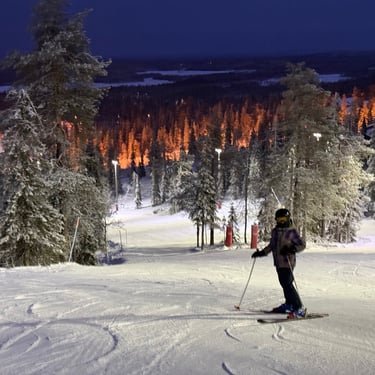
Cold fatigue is real — especially in places like Lapland where temperatures stay consistently low.
Poor layering is one of the quickest ways to drain energy and confidence. Cold hands, damp base layers or exposed skin can turn a happy skier into a reluctant one very quickly.
If you’re considering Lapland, it’s worth understanding what that really feels like:
→ Is Lapland Ruka Too Cold to Ski with Kids?
In Alpine destinations like La Thuile, conditions are more variable — colder mornings, milder afternoons — so layering needs to be more flexible:
→ What to Pack for a Family Ski Trip to Italy
Clothing isn’t just about comfort — it directly affects energy levels, lesson engagement and how much your child enjoys the week.
Extra Support for Younger Children: Beanie Club
For families with children age four to eight, Crystal Ski’s Beanie Club can make a big difference.
It adds structure to the day by:
managing transitions between lessons and childcare
covering lunch
providing indoor and outdoor activities
For us, this reduced a lot of the daily coordination and made the week feel much easier in the early years.
For a full breakdown of how it works in practice: Crystal Ski Beanie Club in La Thuile: Is It Actually Worth It?
So, Is Skiing Good for School‑Age Children?
If your child is:
around five or older
reasonably active
open to structured lessons
and willing to repeat and practise
then skiing can be one of the most rewarding trips you take together.
It builds confidence, resilience and independence — often faster than other holidays.
It does take effort, especially in the early days, but when it works, the benefits carry forward year after year.
If you decide skiing is the right fit for your family, the easiest way to get started is booking a trip where everything is already organised — especially for a first ski holiday.
Want the full picture?
If you’re still planning your trip, these guides will help you next:
About Plan Family Escapes
We’re a UK-based family sharing real, experience-led travel guides based on trips we’ve taken with our school-age son Joshua across destinations like Lapland, Turkey and India.
Everything we share is based on what we’ve personally experienced — with honest advice on what actually works when travelling with kids, focusing on making family travel easier, more comfortable and genuinely enjoyable.