
Lapland Ski Trip on a Budget: Where You Can Save and Where You Can’t (Honest Family Guide)
Worried about the cost of Lapland? Here’s our honest, real-life guide to where you can save money on a Lapland family ski holiday — and where you really can’t — based on our Christmas trip to Ruka, Finland.
RUKAFINLANDEUROPESKIBUDGET
Clare
1/21/20265 min read
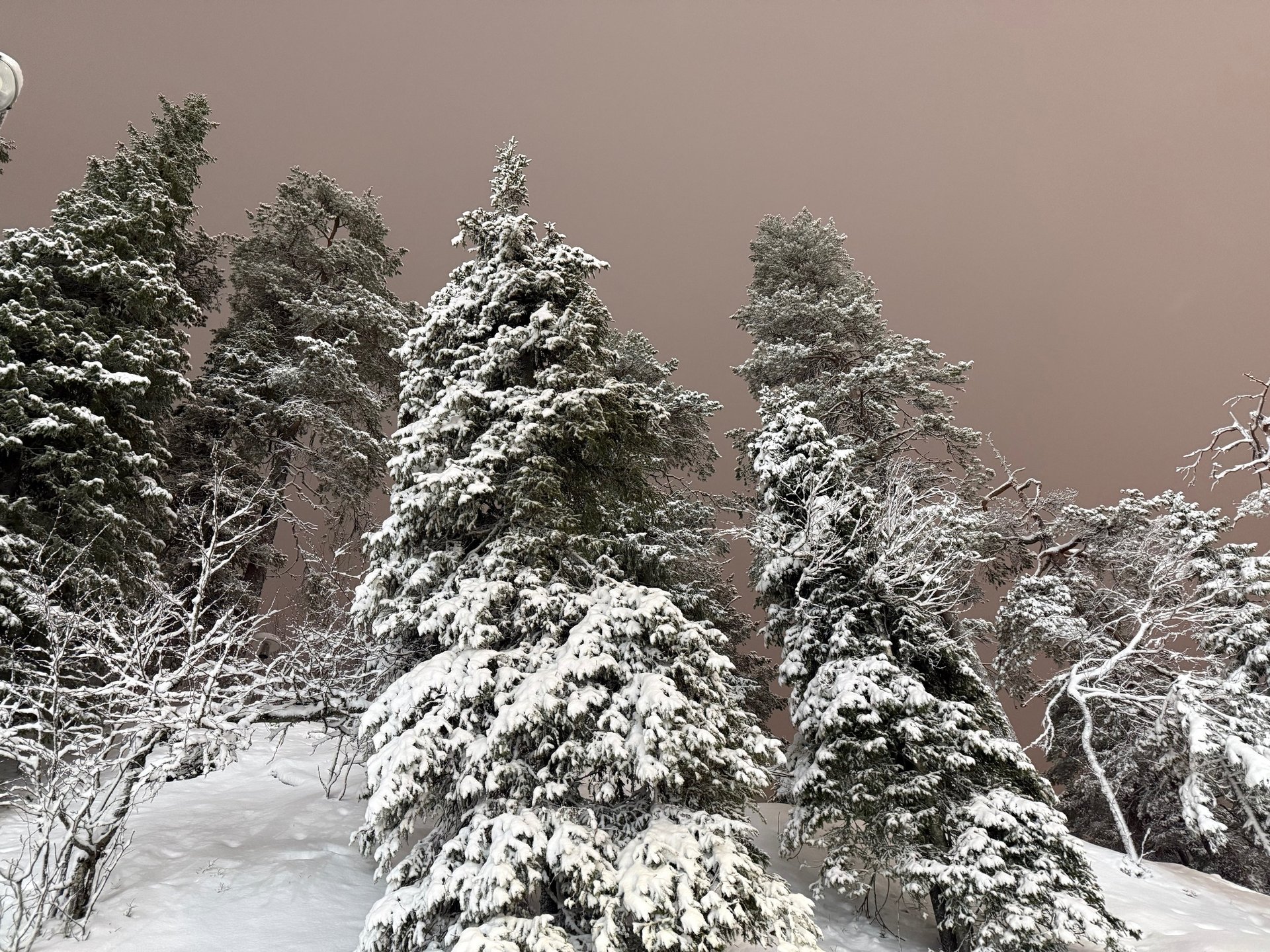
Let’s be honest — skiing isn’t a cheap holiday, and a Lapland ski trip at Christmas is definitely more than we’d normally spend.
Before booking, I spent weeks trying to work out whether it was even possible to do Lapland on a realistic budget, especially during the UK school holidays when everything is at its most expensive.
This guide is for UK families travelling with school‑age children who want to experience Lapland, but also want to keep costs under control without taking away from what makes the trip special.
Quick answer: Can you do Lapland on a budget?
Yes — but only to a point.
You can:
make smart choices
control certain costs
avoid overspending on unnecessary extras
But there are parts of a Lapland trip that will always be expensive — particularly during peak season.
The key is knowing where to save and where it’s actually worth spending.
First: Let’s Be Real About Lapland Prices
Lapland is expensive because:
it’s a remote destination
everything needs to be transported in
it’s a highly seasonal, specialist trip
and most families travel during peak, specifically Christmas
So no — it’s never going to be a cheap holiday.
But you do have control over:
how you eat
which activities you book
how many extras you include
how prepared you are before you go
And those decisions can make a significant difference to your overall spend.
We visited Ruka over Christmas as a family of three, booking a week‑long ski package through Crystal Ski. Having everything organised up front gave us a clear starting cost, and then we made conscious decisions about where to spend and where to hold back. Planning a trip to Ruka with kids? Start here: → Crystal Ski Ruka Review (Lapland)
This guide includes links to the options and tools we used or considered when planning our trip. Some may be affiliate links, meaning we may earn a small commission at no extra cost to you. We only ever recommend approaches we found genuinely worked well for our family.

Lapland Money Saving Tips for UK Families
The Biggest Money Saver: Self‑Catering
Choosing self‑catering accommodation was the single biggest reason we kept our costs under control.
We stayed in Ruka Chalets, and being able to:
make breakfast
prepare simple lunches
cook most dinners
saved us hundreds over the week.
Why This Makes Such a Difference
Eating out in Ruka adds up quickly, having access to kitchen facilities meant we could come back to eat lunch rather than buy it on the slopes.
Typical costs look like:
lunch on the slopes: €15–€25 per person
simple dinners: €15–€30 per person
coffee stops and snacks: €5–€10 per person
drinks: expensive (beer in particular)
For a family, you can easily spend €60–€90 per meal without trying.
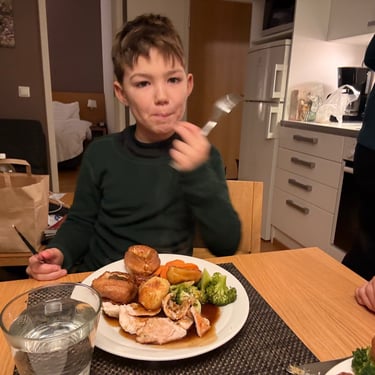
Instead, we built our days around coming back to the chalet:
taking boots off
warming up properly
eating lunch at our own pace
This gave us:
a proper break in the middle of the day
warm, dry clothes
more flexibility
and much lower food costs
More importantly, it made the days feel easier — not just cheaper.
If you’re deciding between accommodation types, this is exactly why self‑catering worked so well for us: Self‑Catered vs Half Board in Ruka
What Self‑Catering Actually Saved Us
When we looked at half board options, the typical cost was:
around £260 per person extra
roughly £780 more for a family of three
Instead, we spent around £300 total on:
all food
drinks and snacks
a couple of meals out
Yes even some alcohol (but not a lot - it was very £)
That meant a saving of roughly £400–£500 over the week.
This is where we found a package worked surprisingly well — a lot of the big costs were already included, which made it easier to control the overall budget. → See what was included in our trip
Our Approach to Food
We also did one thing that made this even easier: We brought some food with us from the UK.
This meant:
less shopping when we arrived
lower supermarket spend
and familiar, easy meals
What we brought:
breakfast staples - cereal, baked beans
lunch stapes - kit kats, crisps, pitta breads
diner staples - stock cubes, a small bag of pasta, in our suitcase we packed a pasta sauce
mince pies (well it was December after all)
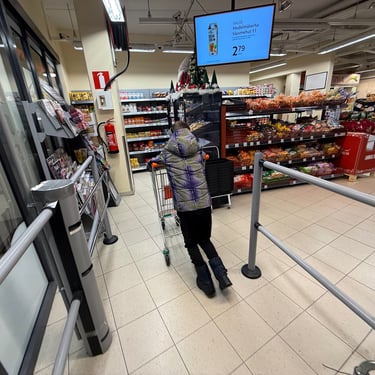
We carried one big 'shopper' bag on the plane with us and some bits in our suitcase. We still bought fresh items locally (meat, bread, milk, fruit), but having the basics already sorted saved both time and money.
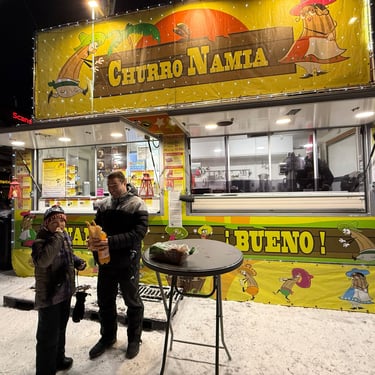
We still enjoyed eating out twice at Colorado bar, we found the bar snacks much cheaper than a sit down meal. I also recommend not giving the Churros van a miss, they were delicious!
This isn’t essential — but it definitely helped reduce costs and effort.

Where You’re Unlikely to Save
Key Experiences
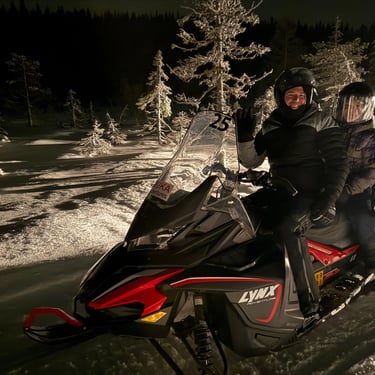
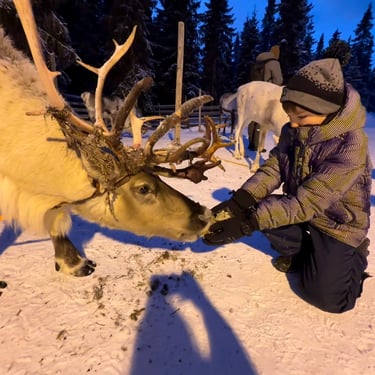
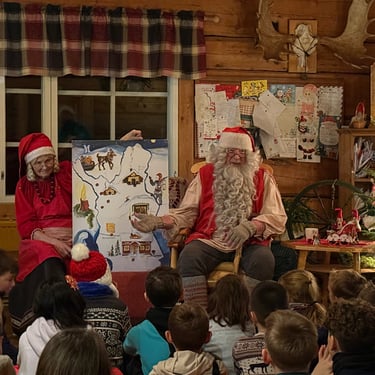
The main Lapland experiences — like Santa visits, reindeer rides, and snowmobiling — are not cheap, and for most families they’re a big part of the trip.
These are best treated as planned, essential costs rather than something you can cut completely.
Skiing Costs
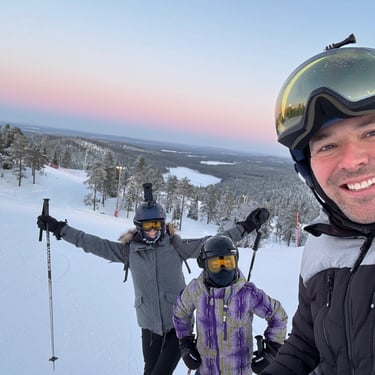
Ski passes, equipment and lessons are also core costs of the trip.
There are small ways to adjust (for example, choosing fewer lessons or standard equipment), but overall this is not where you’ll make major savings.
Some of these costs are difficult to reduce, especially during school holidays. What helped us was having most of it bundled upfront, so there were fewer unexpected extras once we were there. → View the package we used
Where You Can Save
The biggest cost control comes down to choices:
limit the number of paid excursions (2–3 key experiences is enough)
avoid eating out every day
make use of free or low-cost activities like sledging and village exploring
plan ahead so you’re not buying expensive items in resort
A Quick Note on Clothing
Getting clothing right is more important than it first seems. We found a heated gilet to be a complete game changer — keeping your core warm makes a huge difference to how comfortable the whole day feels.
If you’re warm:
you stay out longer
you don’t rely on cafés to warm up
and you avoid buying expensive extras in resort
If you’re unsure what you need, see: What to Pack for Lapland in December
So… Can You Do Lapland on a Budget?
You can’t make Lapland cheap — especially in peak season.
But you can stop it becoming unnecessarily expensive.
The biggest wins are:
self‑catering
being selective with activities
planning ahead and taking a few bits with you
and keeping daily costs under control
Final Thoughts
Lapland is a once‑in‑a‑lifetime kind of trip, particularly at Christmas.
With the right planning, you can:
control your spending
still experience the highlights
and come away feeling it was worth it
If you’re trying to plan a Lapland trip without costs spiralling, seeing a real package breakdown helps put everything into perspective. We found having the main elements included upfront made it much easier to manage the overall budget as a family.
planning lapland with kids?
Start here — these guides answer the key questions we had before booking
About Plan Family Escapes
We’re a UK-based family sharing real, experience-led travel guides based on trips we’ve taken with our school-age son Joshua across destinations like Lapland, Turkey and India.
Everything we share is based on what we’ve personally experienced — with honest advice on what actually works when travelling with kids, focusing on making family travel easier, more comfortable and genuinely enjoyable.