What Parents Should Expect from a Real Family Ski in Passo Tonale
Thinking of skiing Passo Tonale with kids? Here’s our honest guide to a real family ski day – lessons, lift queues & lunch costs.
ITALYEUROPESKIPASSO TONALE
3/18/20265 min read
If you’re planning a ski trip to Passo Tonale with kids, one of the most useful things to understand is:
What does a typical ski day actually feel like as a family?
Because while brochures focus on slopes and facilities, the reality is:
managing ski school
balancing energy levels
and making the day flow easily
is what really shapes the experience.
This guide is for families travelling with school‑age children who want a realistic, hour‑by‑hour view of a ski day — not just what’s available, but how it works in practice.
Quick Answer: What Does a Ski Day Feel Like in Passo Tonale?
Simple — but not effortless.
mornings revolve around ski school and logistics
afternoons depend on energy (ski more or slow down)
evenings are about recovery, not activity
The slopes themselves are straightforward and beginner‑friendly — but managing the day with kids still takes planning.
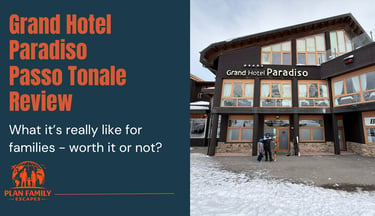
We travelled to Passo Tonale during February half term with Crystal Ski, staying at the Grand Hotel Paradiso. Booking as a package made flights, transfers and lift passes simple — which helped — but it doesn’t remove the reality of coordinating a full ski day with children.
This is based on our actual experience of how the days played out — what worked well, what was harder than expected, and what we’d do differently next time.
Some links in this guide may be affiliate links, meaning we may earn a small commission at no extra cost to you. We only recommend options we’ve used ourselves or would choose again.
If you’re still deciding whether Passo Tonale is the right fit overall, start here: Visiting Passo Tonale with Children: What Parents Should Expect with Crystal Ski
From here, we’ll walk through:
what mornings actually look like
how ski school shapes the day
and where things feel easy — or more effort than expected
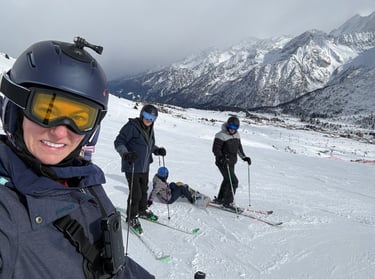

Morning Routine: What a Ski Day Really Looks Like
Our alarm went off at 7am every day.
Half-term skiing isn’t relaxed — mornings are structured and time moves quickly.
Breakfast ran 7:30–9:30am, but we found around 7:45am was ideal:
early enough to avoid queues
late enough to keep everyone in a good mood
The atmosphere felt very familiar each morning:
ski boots clunking
families layering up
parents checking the weather over coffee
Ski School Logistics (The Bit That Catches You Out)
Even with ski‑in access, Crystal ski school wasn’t right outside the hotel.
Each morning involved:
a 10–15 minute walk
icy pavements in ski boots
carrying equipment
It doesn’t sound like much — but over a week, it adds up.
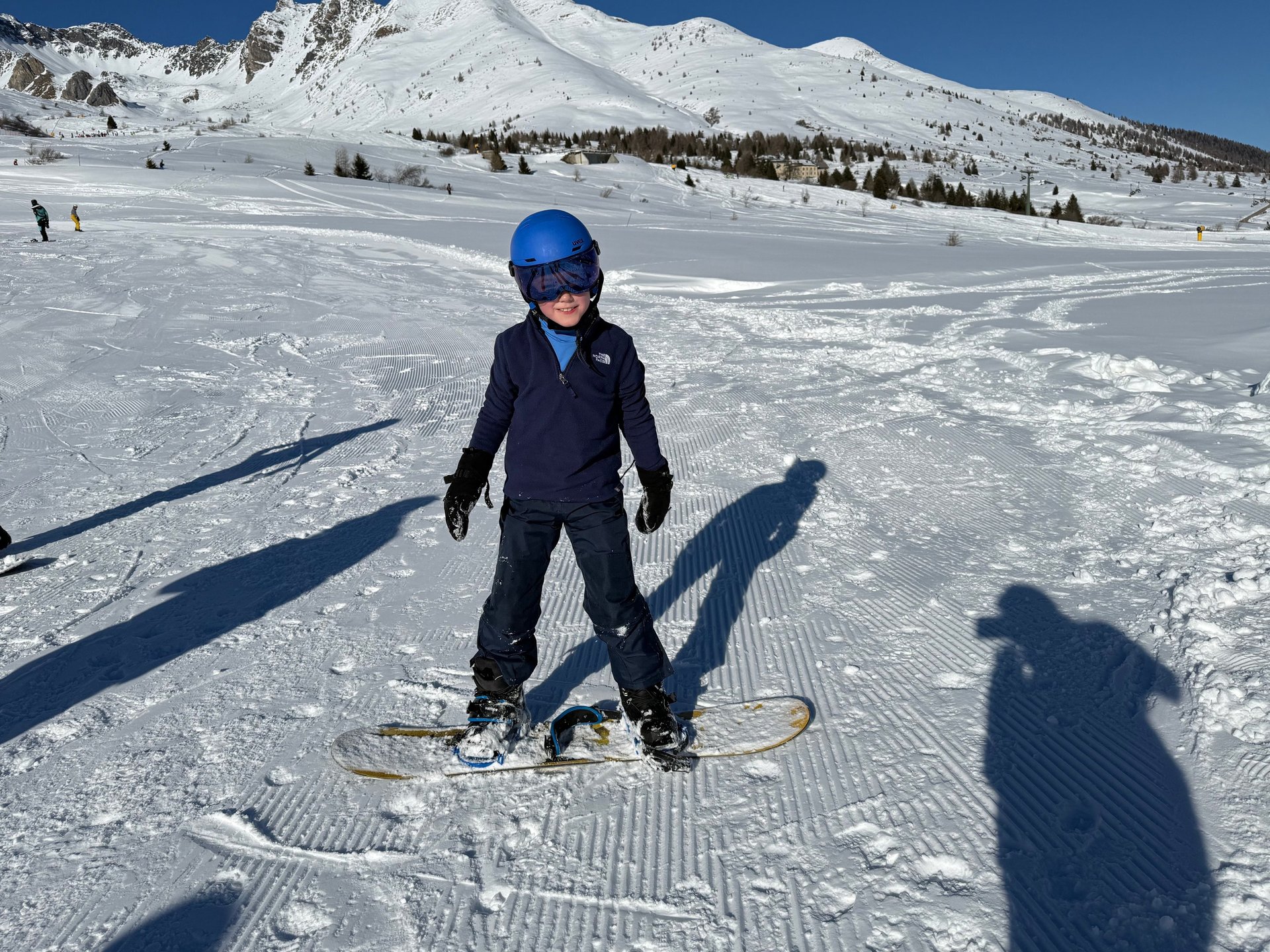
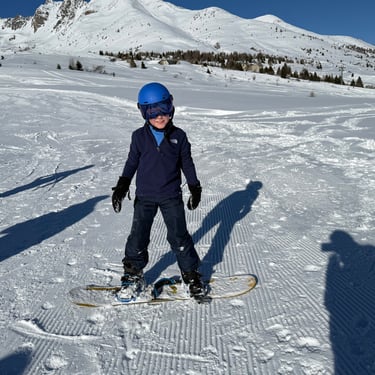
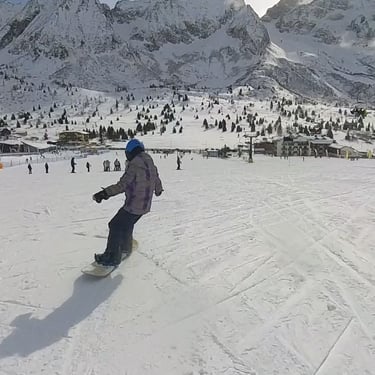
Joshua’s snowboard lessons ran for 2 hours, 9am–11am, which is shorter than other resorts we were used to.
That meant:
less ski time for us
more reliance on what we did around lessons
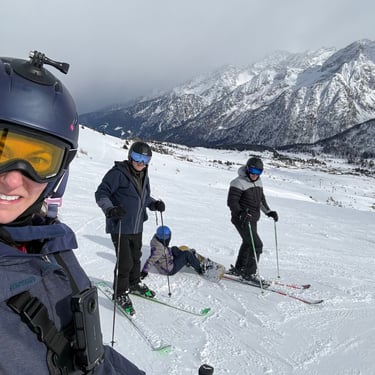
Without help collecting him (thank you Grandma!), we wouldn’t have had much time to ski ourselves in the mornings.
If you’re planning lessons, this really helps to understand how it works: Passo Tonale Ski School Review: Our Honest Family Experience
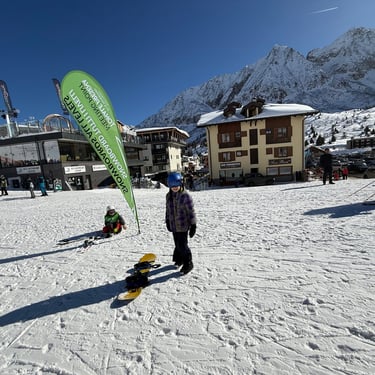
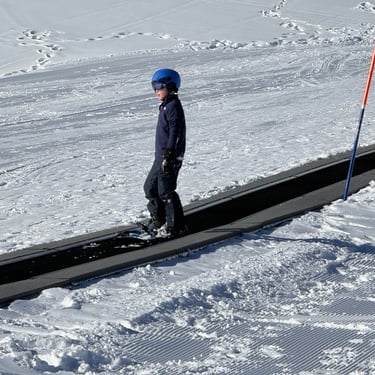
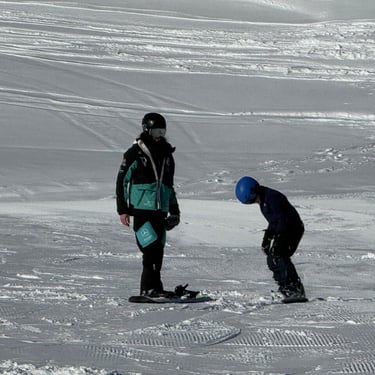
Once Ski School Starts
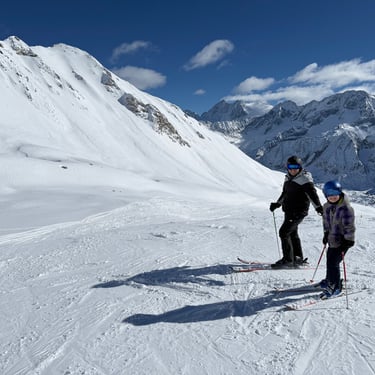
We’d usually be back out skiing by around 9:20am.
One of Passo Tonale’s strengths is how easy it is to get going:
multiple lifts close to the village
no complicated route decisions
easy terrain for warming up
Where We Skied (Beginner-Friendly Setup)
The main lifts we used were:
Valbiolo → wide blue run, great for practising turns
Valena → easy terrain, good progression
San Bartolomeo → quieter, slower start option
These areas work well for confidence building, especially early in the week.
Midweek Strategy (Avoiding Crowds)
During half-term:
mornings (9–11) were busiest
nursery slopes were lively
As the week went on, we started heading further out to:
Ponte di Legno (quieter slopes)
glacier areas for more variety
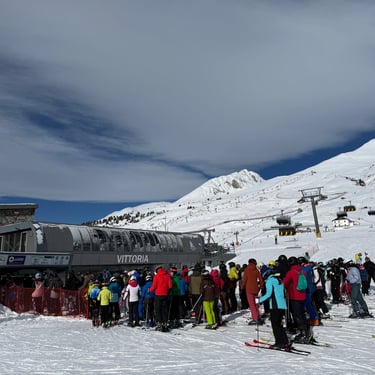
Just note — getting back can take time, especially at weekends. Sunday afternoon it took nearly an hour due to queues.
Weather Reality (Not Every Day Is Skiable)
We had:
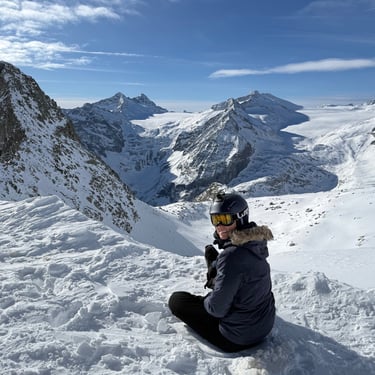
blue skies early in the week
30cm snowfall later
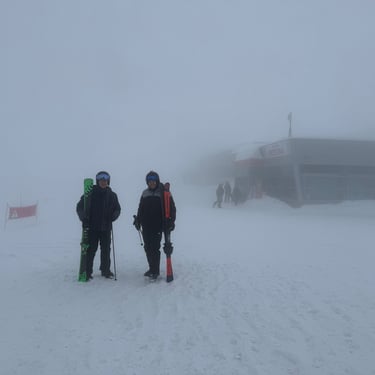
one full whiteout day
We didn’t ski every day.
Some conditions were:
low visibility
heavy snow
difficult for intermediates
The day after snowfall was sometimes harder:
moguls
uneven pistes
more falls
It’s a good reminder that skiing isn’t completely predictable.
If you’re travelling in winter, this is one thing worth sorting properly:
Staying Connected (This Helps More Than You Expect)
We relied heavily on maps, lift updates and messaging.
Having everything working straight away made a big difference — especially when plans changed during the day.
→ Check eSIM options for your trip
Lunch: Real Costs vs Expectations
Eating on the mountain adds up quickly.
Typical prices:
self-service meals: €14+
light lunch + drinks: ~€50
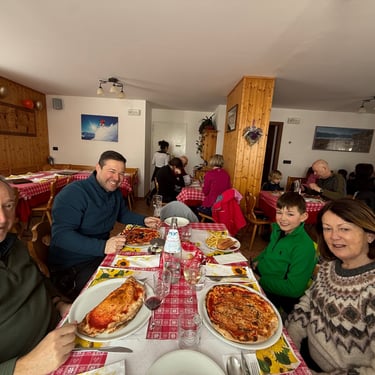
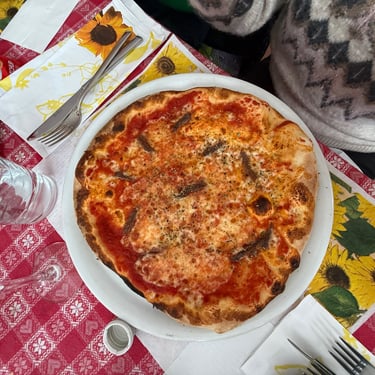
sit-down meal: €9–12 per pizza
We balanced this with:
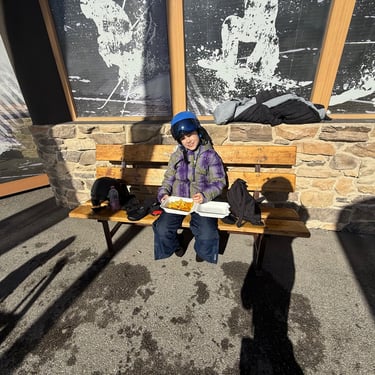
packed lunches (around €15 for 2–3 days)
occasional meals out
It wasn’t glamorous — but it made a big difference to overall cost.
Afternoons: This Is Where the Day Changes
Some afternoons we skied until lifts closed.
Other days we:
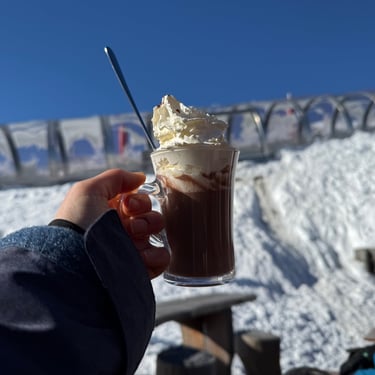
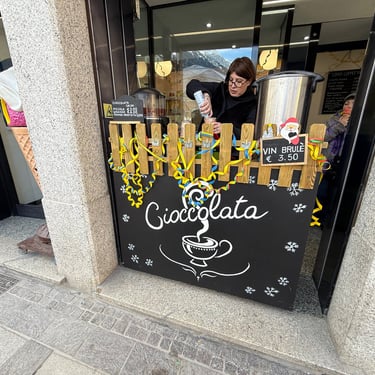
stopped for hot chocolate
went back to the room
explored briefly
I used the gym
or just rested
And this is important: downtime makes the trip work
Pushing through fatigue usually leads to:
frustration
tired kids
and less enjoyable days
If you’re wondering what to do off the slopes: Things to Do in Passo Tonale Besides Skiing
If you’re considering Grand Hotel Paradiso, it’s worth checking current room options and location — it can make a big difference to how the week feels:
The Reality of a Family Ski Day
A real ski day isn’t:
first lift to last lift
perfect conditions
or non-stop skiing
It’s:
managing ski school
watching the weather
adjusting plans
balancing energy
and knowing when to stop
And despite all of that — this is what stays with you:
quiet runs midweek
watching Joshua link his snowboard turns
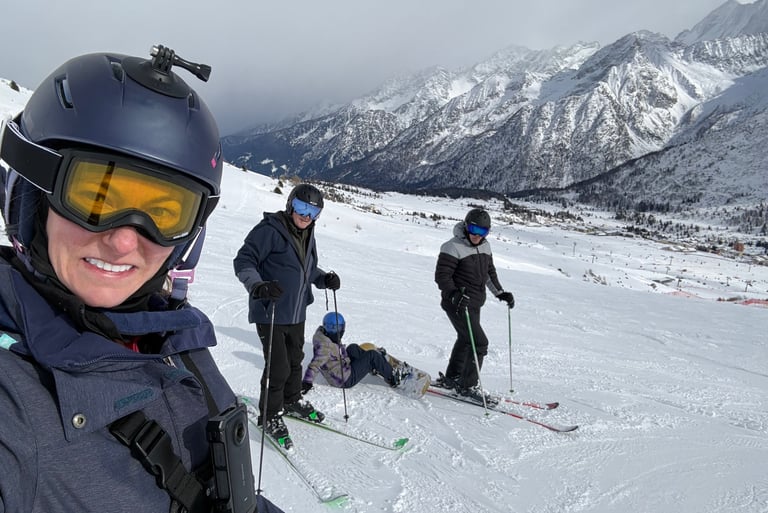
skiing together as a family
That’s what makes it worth it.
planning a ski trip?
Want the full picture? See what they are like for families, including accommodation overviews with our honest resort reviews here:
About Plan Family Escapes
We’re a UK-based family sharing real, experience-led travel guides based on trips we’ve taken with our school-age son Joshua across destinations like Lapland, Turkey and India.
Everything we share is based on what we’ve personally experienced — with honest advice on what actually works when travelling with kids, focusing on making family travel easier, more comfortable and genuinely enjoyable.