How to Plan a Family Trip to Jordan: Step-by-Step Guide for First Timers
Wondering How to Plan a Family Trip to Jordan. We have written a practical family guide covering itinerary, costs, logistics and what families need to know before you go.
JORDANRESOURCES
7/9/202614 min read
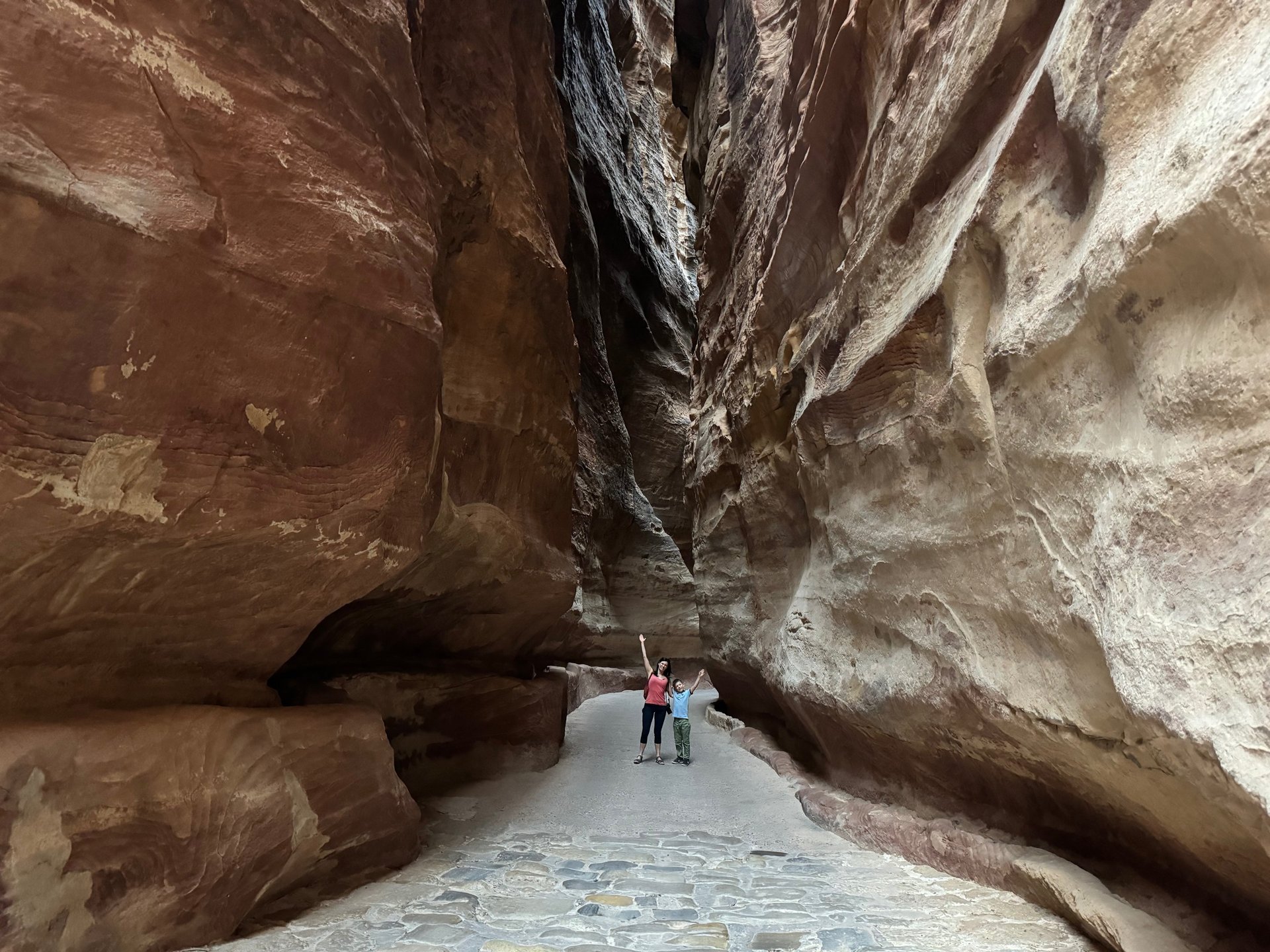
If you’re wondering how to plan a trip to Jordan with kids, this guide is for families who want a realistic, step‑by‑step approach — not just a list of places to visit. Whether you’re organising a first‑time family trip to Jordan, working out your route between Petra and Wadi Rum, or trying to understand the logistics, this will help you plan it properly from start to finish.
Quick answer: what’s the best way to plan a family trip to Jordan?
Start with a simple route, keep your travel days manageable, and build in enough downtime between big experiences like Petra and Wadi Rum. Jordan is very doable with kids — but the difference between a smooth trip and a stressful one comes down to planning the pacing and logistics well.
We planned a self‑drive Jordan road trip with our 7‑year‑old, and what worked for us wasn’t overcomplicating things — it was understanding the flow of the country and structuring each day around energy levels, not just sightseeing. Once you get the route right, everything else — accommodation, timings, transport — becomes much easier to organise.
This guide brings together everything we learned while planning and doing it ourselves — including how to build a Jordan itinerary with kids, the best booking tools, what parents need to know before travelling, and how to organise a family holiday without it feeling overwhelming.
Quick Step-by-Step: How to Plan a Family Trip to Jordan
If you’re planning a family trip to Jordan for the first time, here’s the simple process we followed:
Choose your route – focus on Amman, Petra, Wadi Rum, the Dead Sea and Aqaba
Book flights & allow flexibility – schedules can change
Decide on the Jordan Pass – covers visas and major attractions
Decide on budget - Set your budget early, as accommodation and key experiences like Petra will shape the total cost of your trip.
Plan transport – self-driving is usually the easiest with kids
Book accommodation by location – prioritise comfort and recovery time
Add key experiences – like a Wadi Rum jeep tour
Decide what to pack – plan for heat, long walking days and desert evenings, as the right basics make a big difference with kids
Just a quick note: some links in this guide are affiliate links. This doesn’t affect the price you pay, and we only recommend hotels, tours and planning tools we’ve either used ourselves or would confidently book again — so you can plan with confidence rather than guesswork.

How to Plan a Family Trip to Jordan (Step-by-Step for First Timers)
If you’re wondering how to plan a trip to Jordan with kids, the process is much simpler once you break it down into a few key steps: choosing your route, booking flights, sorting visas and getting the logistics right.
When we planned our first family trip to Jordan, the biggest difference came from understanding the flow of the country — not overloading the itinerary and building in time to rest between big experiences like Petra and Wadi Rum.
Step 1: Decide Your Route, Key Highlights and Length of Trip
The first thing we always do when planning a family trip is decide what we actually want to see — and in Jordan, that’s more than just Petra.
For most families, the key highlights will include:
Petra
Wadi Rum
the Dead Sea
Aqaba (for downtime)
Amman, including Jerash and the northern sites
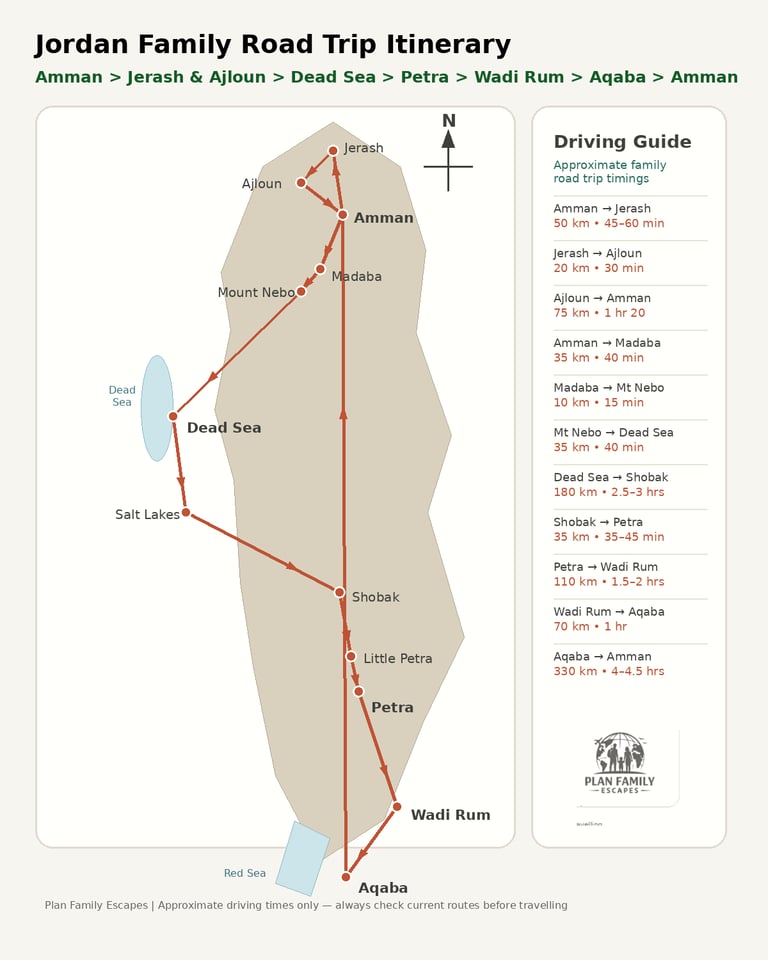
From there, we built a route that made sense geographically. Amman is typically the main arrival hub, so it naturally works as both your start and end point.
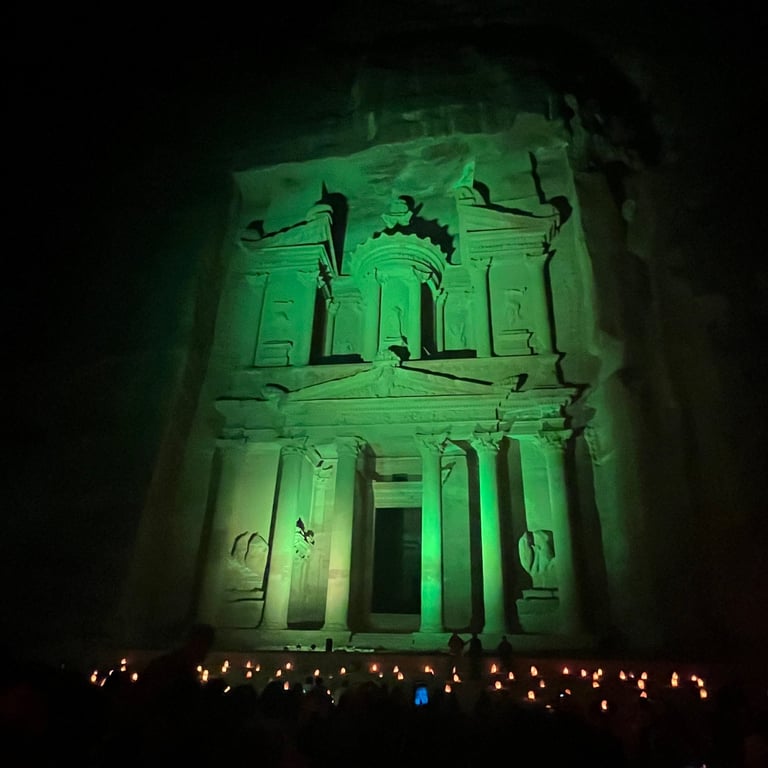
One thing that shaped our itinerary early on was Petra by Night, which only runs on certain evenings. We specifically planned our route around this, making sure we would be in Petra on the right day — it’s one of the few experiences in Jordan that really needs to be worked into your schedule in advance.
We also planned this trip for the Easter holidays in April, which worked really well. Temperatures were warm but manageable for long days out, and the school holiday length gave us enough flexibility to space things out.
In reality, you could probably fit a version of this itinerary into a week if you had to. We chose 9 days (which ended up slightly longer due to flight changes), and that gave us a better balance between sightseeing and downtime. It also meant we didn’t feel rushed — especially in places like Aqaba or Petra, where you might prefer to slow the pace slightly.
The key takeaway at this stage is simple: build your route around the experiences that matter most, then adjust the pace to suit your family
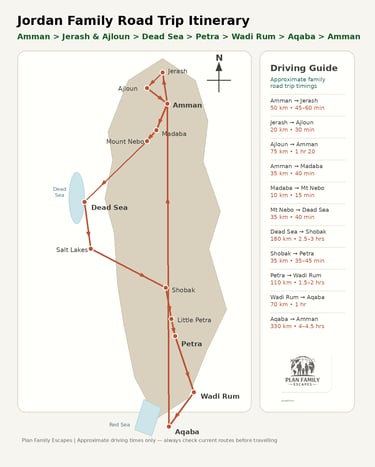
If you want to see how this fits together, our Jordan family itinerary shows the exact route we used and how to pace it.
Step 2: Book Flights and Build Flexibility
When looking at flights from the UK, we usually check Trip.com first to see which airlines operate the route, then book direct.
We flew with British Airways from London to Amman — but this is where things didn’t go exactly to plan.
Both our outbound and return flights were cancelled, which meant we ended up adding a day at the start and adding a day at the end. In reality, this turned into a positive. We used that extra time to relax by the beach in Aqaba and enjoy a slower final day in Amman.
The lesson here: build flexibility into your itinerary where possible — it makes disruptions much easier to handle
Step 3: Sort Visas and the Jordan Pass
The easiest way to manage entry and tickets is through the Jordan Pass.
The Jordan pass includes:
visa fees (if staying 3+ nights)
entry to Petra
access to almost all the major sites
For families, one key detail Children under 12 don’t need a Jordan Pass. We still had to buy Joshua’s visa on arrival, which was quick and straightforward.
Petra planning decision (important)
The Jordan Pass allows:
1-day Petra entry
2-day Petra entry
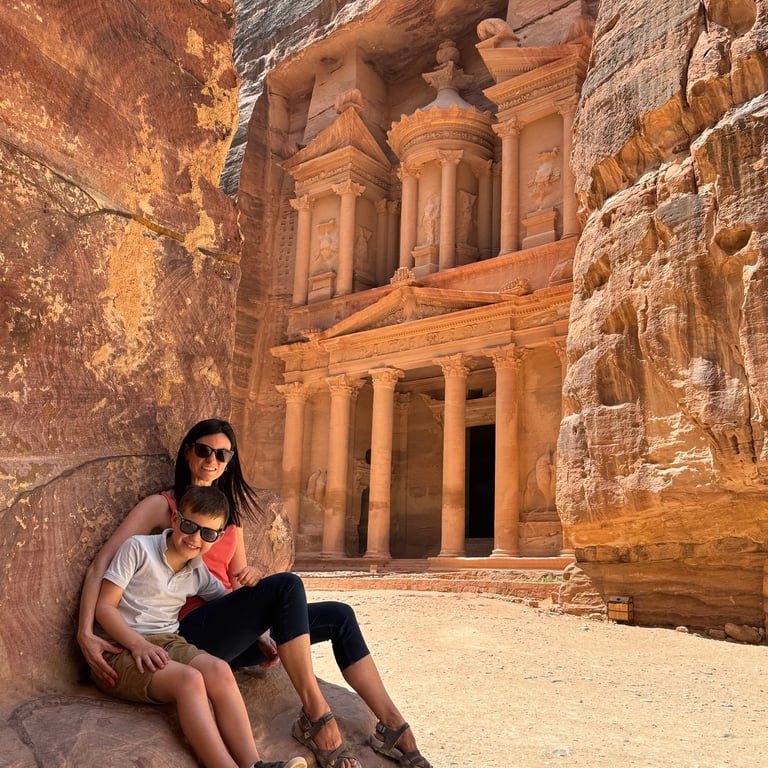
We chose 1 day, which was ambitious but worked.
We managed both:
Petra by day
Petra by Night
But it was a long day.
For most families:
1 day = achievable but full-on
2 days = more relaxed
For a full breakdown, read: Can You Do Petra in One Day With Kids? (this helps you decide what’s realistic)
Step 4: Budget and Currency (What Actually Matters)
Jordan isn’t as cheap as people expect — and the biggest surprise for us was where the money actually goes.
The main costs come from accommodation and entry fees, especially places like Petra and the Dead Sea. For us, hotels made the biggest impact on the overall budget, particularly when we chose larger resorts with pools or direct beach access to make things easier with Joshua. Those decisions were worth it, but they definitely increased the total cost.
Day-to-day spending felt much more manageable. Food, fuel and general expenses were all reasonable — it’s just the big-ticket items that add up quickly.
One thing we hadn’t fully anticipated was how much we’d rely on cash. Cards are accepted in hotels and larger restaurants, but in reality we used cash far more often than expected — for smaller restaurants, tips, parking, drinks stops and anything outside the main tourist areas.
We ended up withdrawing additional cash during the trip, which is something I’d plan for in advance.
What worked best for us was:
using a fee-free travel card (Monzo or Revolut) to withdraw cash in country and for smaller card purchases
carrying Jordanian Dinar for everyday spending
using credit cards for larger costs like hotels as these offer that extra level of security
If you want a realistic breakdown of what this actually costs, our: Jordan cost breakdown shares exactly what we spent and where you can save or upgrade depending on your priorities.
Step 5: Transport – Why Self-Driving Works Best
For most families, the easiest way to travel around Jordan is self‑driving — and for us, it ended up being one of the best decisions we made.
On paper, Jordan looks like a multi-stop trip with a lot of moving parts, but in reality the roads between the main highlights are fairly straightforward. What made the biggest difference wasn’t just the driving itself — it was the flexibility it gave us day to day.
With Joshua, that flexibility really mattered. We could start early when energy levels were high, stop when he needed a break, and adjust plans without feeling tied to a schedule. On longer driving days, even a quick stop for a drink or snack made things feel much more manageable.
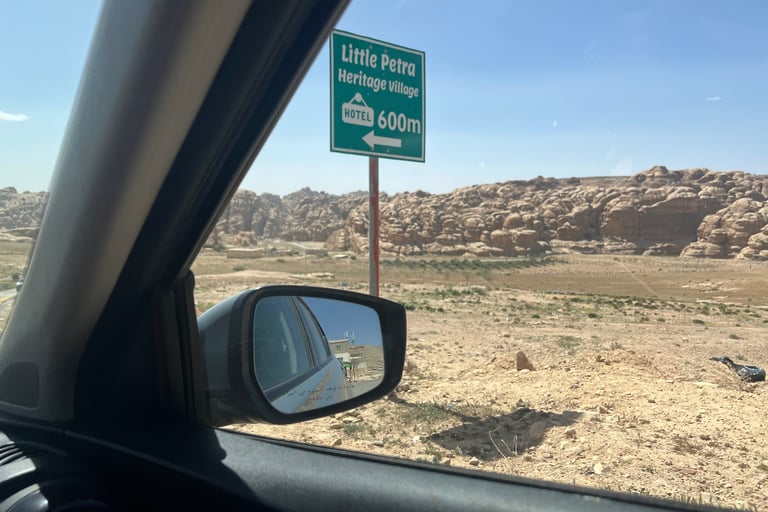
We compared car hire through Trip.com, and honestly, you don’t need anything fancy. We had a small, basic car, and it was completely fine for the whole route — from Amman down to Petra, Wadi Rum and Aqaba.
One thing that made this even easier was having reliable data from the start. We set up an eSIM before we left, so Google Maps worked immediately when we arrived. That meant no stress navigating out of the airport or finding stops along the way, which makes a real difference when you’re travelling with kids.
What stood out most is how much calmer the whole trip felt compared to using taxis or organised tours. Instead of trying to fit into someone else’s schedule, we could shape each day around what worked for us as a family.
If you’re planning a Jordan road trip with kids, keep it simple — book a small rental car and set up an eSIM before you arrive. Having that flexibility and navigation from the start makes the whole trip feel much easier.
Packing tip for car hire
We always take a Trunki BoostApak — it doubles as a backpack and meets European car seat safety requirements. This avoids paying high rental car seat fees
For full detail: Driving in Jordan With Kids covers everything from roads to safety


Step 6: Where to Stay (What Actually Makes the Trip Easier)
Where you stay in Jordan makes a big difference to how easy the trip feels.
We used a mix of:
larger hotels with pools (for comfort)
smaller local stays (for flexibility)
What we’d recommend:
Dead Sea
Where you stay at the Dead Sea makes a big difference — especially with kids.
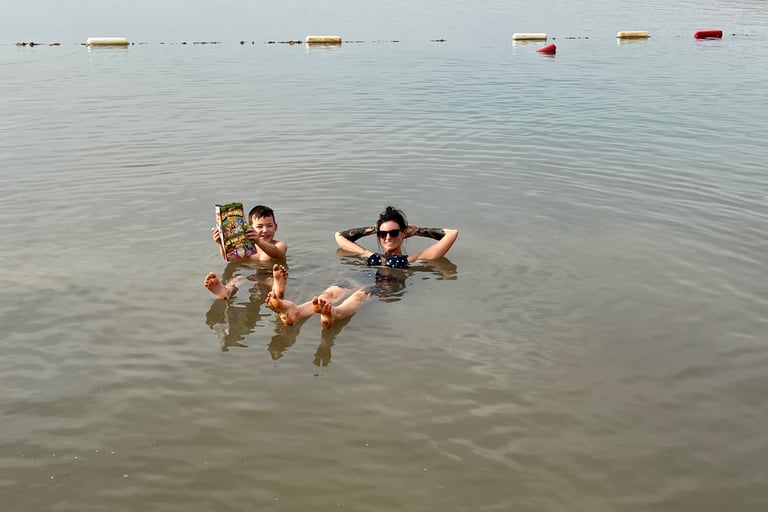
We’d strongly recommend choosing a resort with direct access, as the experience itself is quite short. Being able to float, rinse off quickly and move straight to a pool or shaded area makes it far more manageable, particularly with children.
For us, this was important with Joshua. The salt water can sting, so having showers and facilities right there meant we could enjoy it in short bursts without it becoming uncomfortable.
There are fewer good options than you might expect, so it’s worth choosing carefully. After researching, we found the Hilton Dead Sea Resort worked best for families in terms of access, facilities and overall comfort.
If you’re choosing where to stay, see our Hilton Dead Sea Resort Review for a full breakdown.
Petra
Where you stay in Petra has a much bigger impact than you might expect — especially with kids.
We chose a smaller, local stay within walking distance of the entrance, mainly so we could get there early without worrying about parking or transport. That worked really well on the day itself. Starting early is absolutely key in Petra, and being able to walk straight to the entrance made that much easier.
That said, looking back, this is one place where we’d probably make a slightly different choice next time. After a long day of walking — especially if you’re doing Petra by day and then returning for Petra by Night — having a pool and more space to relax would have made a big difference for Joshua (and for us).
So it becomes a bit of a trade-off:
close to the entrance = easier early starts
larger hotel with a pool = easier recovery after a long day
If you’re travelling with kids, it’s worth thinking carefully about which matters more for your family. Either can work — it just depends on how you want to structure your day.
For a full breakdown of the best options and what to prioritise, see Best Hotels Near Petra for Families
Wadi Rum
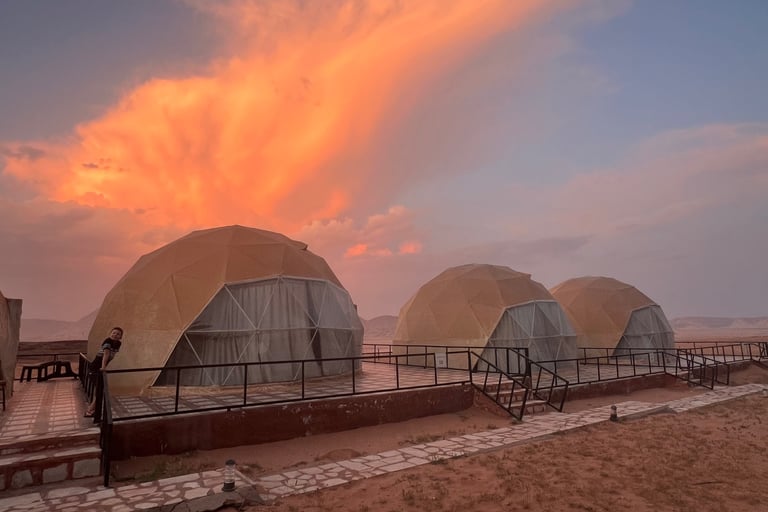
Wadi Rum is one of the most memorable parts of the trip — but where you stay matters because it’s not a typical hotel experience.
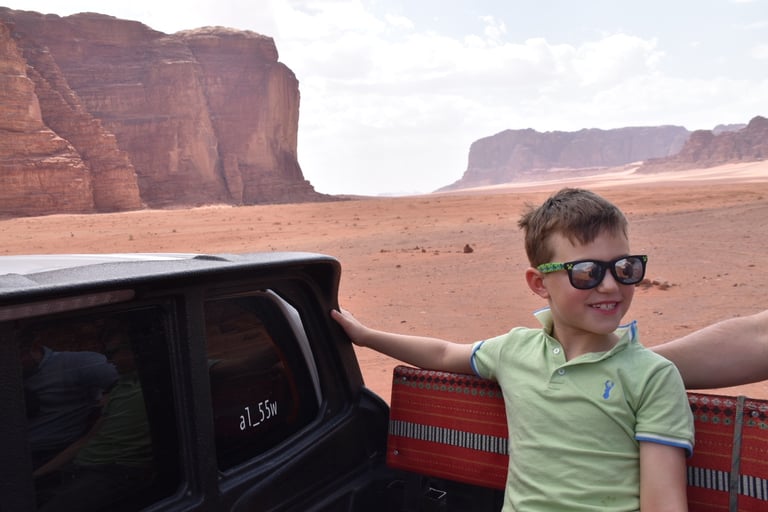
We stayed in a desert camp, and while the facilities were simple, that wasn’t really the point. What Joshua loved most was the experience around it — the jeep tour, climbing dunes, and sitting out under the stars.
There’s a big range in camp quality, so it’s worth choosing carefully depending on how much comfort you want versus experience.
For help deciding, see: How to Choose a Wadi Rum Desert Camp
Aqaba
Aqaba is where the trip really slows down — and after Petra and Wadi Rum, that felt essential for us.
When choosing where to stay, we prioritised:
a good pool setup
direct beach access
an on-site restaurant (so we didn’t have to go out every night)
and enough space for Joshua to relax and just enjoy himself
By this point in the trip, we weren’t looking for more sightseeing — we wanted somewhere that felt easy. Aqaba worked well because it gave us a proper reset. Mornings were by the pool or beach, afternoons were slow, and everything was on-site so there was no pressure to plan.
That’s why we’d recommend treating Aqaba as a recovery stop, not just another location on your itinerary. After a few active days, having somewhere comfortable where kids can switch off makes a big difference to how the whole trip feels.
If you’re deciding where to stay, our Grand Tala Bay Resort Aqaba review breaks down why it worked so well for families and what to expect.
Amman
We split our stay in Amman across the start and end of the trip, which worked really well.
On arrival, we stayed towards the North of the city so we could ease into the trip and have easy access to key sights. After a long travel day, being somewhere convenient made everything feel much simpler.
At the end of the trip, we moved closer to the airport. By that point, we weren’t focused on sightseeing — it was more about having an easy final night, a pool, and a stress-free departure the next day.
Amman isn’t somewhere you need to over-plan with kids, but using it as a flexible start and end point definitely makes the overall itinerary feel smoother.
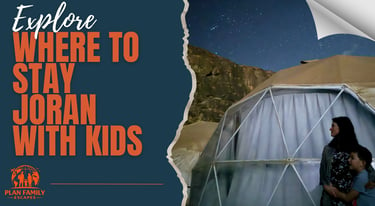
For our full recommendations across our itinerary, see: Where to Stay in Jordan With Kids
Step 7: Plan Add-On Activities Outside the Jordan Pass
Once you’ve mapped out your core itinerary using the Jordan Pass, it’s worth thinking about the extra experiences that aren’t included — because these are often the moments kids remember most.
The two big ones for us were Petra by Night and the Wadi Rum jeep tour.
Petra by Night isn’t included in the Jordan Pass and runs on specific evenings, so it’s one of the few things you actually need to plan your route around. It also changes how your day looks. We visited Petra at opening time, went back to the hotel mid‑afternoon to rest, and then returned in the evening — without that break, it would have been too much in one day.
If you’re deciding whether to include it, read: Petra by Night With Kids: Is It Worth It or Too Much?
In Wadi Rum, the jeep tour is another key add-on. It’s not something you can “just do on arrival” in the same way as other sites — it needs to be arranged through your camp or booked in advance. For us, this completely shaped the experience. Instead of a quick stop, it became a full adventure day, followed by an overnight stay.
This is one place I would definitely plan ahead, especially with kids Wadi Rum Jeep Tour With Kids: Is It Worth It? gives our honest review
Step 8: What to Pack for Jordan With Kids
Packing properly makes a huge difference — especially for heat and active days.
You’ll need:
sun protection
comfortable walking shoes
layers for desert evenings
swimming gear
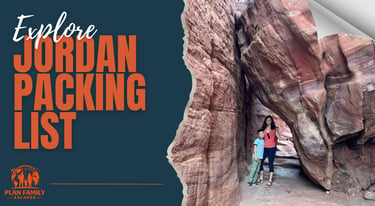
Full checklist here: What to Pack for Jordan With Kids
Step 9: Don’t Skip Travel Insurance
This is one trip where travel insurance really matters, especially with kids.
You’ve got:
long, active days (like Petra)
remote locations (Wadi Rum)
driving between multiple stops
It’s not about expecting something to go wrong — it’s about knowing you’re covered if plans change or something unexpected happens.
We recommend Just Travel Cover because it lets you compare multiple policies in one place, so you can choose cover that includes strong medical protection and flexible cancellation. Before booking anything else, get your travel insurance sorted first — it’s one decision that protects everything else in your trip.
Final Thoughts: Planning Jordan With Kids
Planning a family trip to Jordan isn’t about ticking off places — it’s about getting the balance right. If you keep your route simple, build in rest time, start early …it becomes one of the most rewarding trips you can take with kids. If you rush it, it will feel hard. If you plan it well, it feels like an adventure.
FAQs: Planning a Family Trip to Jordan
What is the best time of year to visit Jordan with kids?
Spring (March–May), especially the Easter holidays, is one of the best times to visit Jordan with kids. Temperatures are warm but manageable for sightseeing, making places like Petra and Wadi Rum much more comfortable than in peak summer.
What is the best age for visiting Jordan with children?
Jordan works best for children (around 6+), who can manage walking, early starts and more active days. Younger children can still visit, but the long distances, heat and terrain make it more challenging — especially in places like Petra.
How much does a family trip to Jordan cost?
Costs vary depending on hotels and experiences, but accommodation and entry fees are the biggest expenses. For real numbers, see our Jordan cost breakdown which shares exactly what we spent.
What is the best way to get around Jordan with kids?
For most families, self‑driving is the easiest option because it gives you flexibility. You can start early, stop when kids need a break, and adjust plans easily — which makes a big difference on longer days like Petra. Our Driving in Jordan guide explains what to expect and whether it’s right for you.
Is Petra suitable for kids and how do you plan it?
Yes — Petra is suitable for children, but it’s one of the most active parts of the trip. Starting early, focusing on key highlights and pacing the day properly makes it much more manageable. Read Petra With Kids to understand walking distances, pacing and what to expect.
Do children need a visa for Jordan?
For UK families, adults can have their visa included in the Jordan Pass (if staying at least 3 nights), which makes things very simple.
Children are different:
Children under 12 don’t need a Jordan Pass
But they may still need a visa on arrival, depending on age and passport
In our case, Joshua needed a visa on arrival, which was quick and easy to sort at the airport — just something to factor into your arrival time.
Do children need vaccinations for Jordan?
No mandatory vaccines are required for entry from the UK, but children should be up to date with routine vaccinations (like MMR and tetanus). For us, this wasn’t a major concern — the bigger focus was things like sun protection, hydration and managing heat during long days out.
Is the Jordan Pass worth it for families?
For most families, yes — the Jordan Pass is worth it if you’re visiting Petra and staying at least 3 nights. It includes entry to major sites and can waive adult visa fees, which simplifies planning and often saves money.
For children, it’s slightly different:
Children under 12 don’t need a Jordan Pass
They also enter Petra and most major sites for free when travelling with adults
For us, it made things much easier — no buying tickets at each stop, just scanning and moving on, which makes a real difference on busy days with kids.
plan your TRIP TO jordan
If you’re planning your family trip to Jordan, these guides will help you pull everything together:



About Plan Family Escapes
We’re a UK-based family sharing real, experience-led travel guides based on trips we’ve taken with our school-age son Joshua across destinations like Lapland, Turkey and India.
Everything we share is based on what we’ve personally experienced — with honest advice on what actually works when travelling with kids, focusing on making family travel easier, more comfortable and genuinely enjoyable.