How Safe is India for Tourists? A Realistic Family Assessment
Is India safe to travel with kids? A realistic family guide covering health, transport, crowds, scams and what UK parents should actually expect when visiting India with children.
INDIAASIARESOURCES
4/4/20268 min read
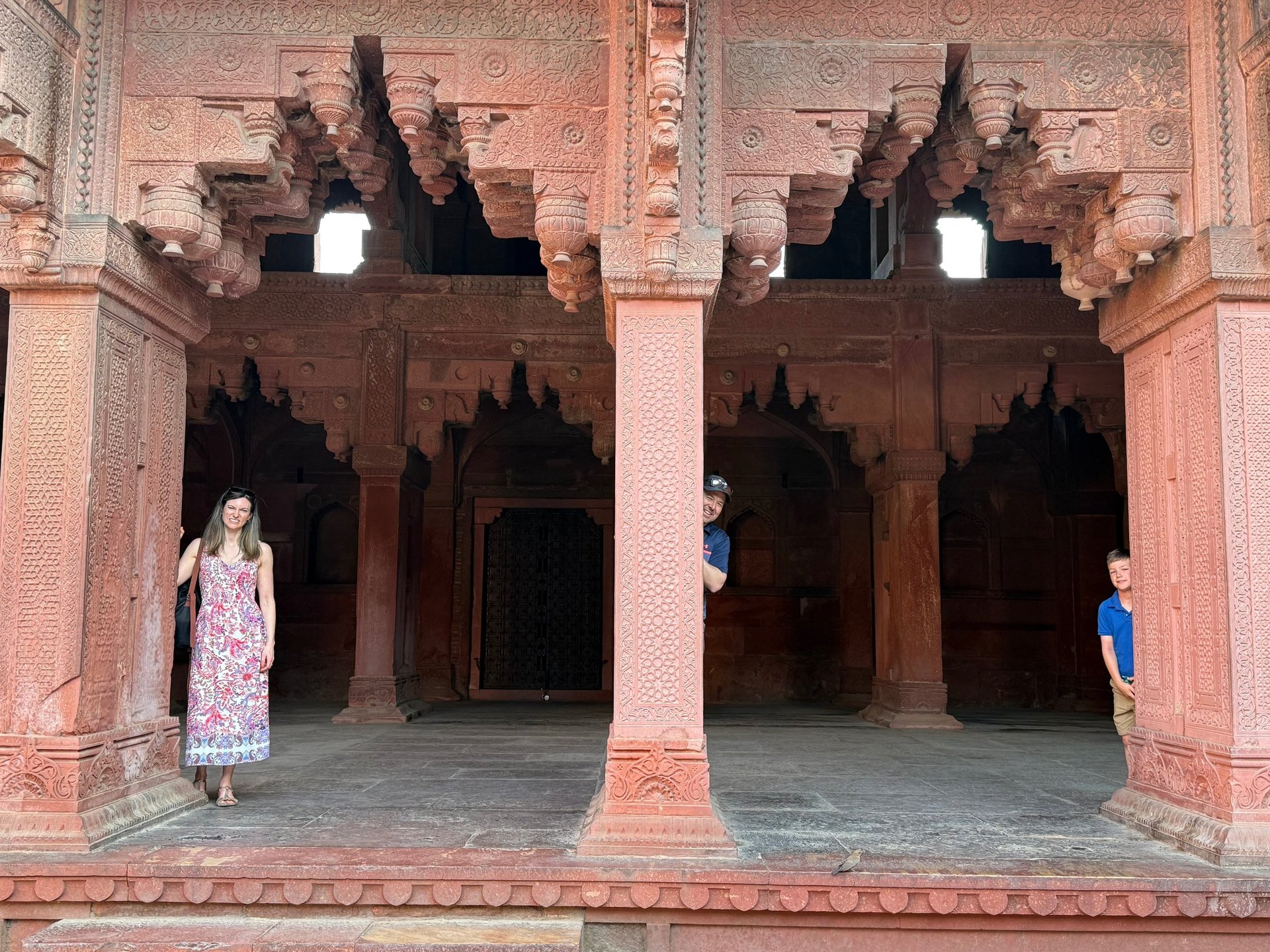
If you’re planning a family trip and asking, “is India safe to travel for Tourists?”
This guide is for UK families — particularly first-time visitors — who want honest, experience-led insight into what it actually feels like travelling in India with children, not just general safety advice.
India isn’t a low-effort destination. It’s busy, stimulating and, at times, unpredictable. But from our experience, safety and comfort are not the same thing. Many of the concerns around travelling to India with kids come from how overwhelming it can feel at first, rather than genuine safety risks.
Quick Answer: Is India Safe to Travel for Families?
Yes — India is safe to travel with children, especially on well-established routes like the Golden Triangle. Millions of families travel to India each year without incident. Major tourist routes have a strong hotel infrastructure and visible security at monuments. However, India requires a higher level of parental attentiveness than many European or North American destinations. That doesn’t make it unsafe. It means you need a plan.
Before travelling, we had the same questions:
Is it safe to visit India with children for the first time?
What do parents actually need to watch out for?
Is the Golden Triangle safe for families?
What made the biggest difference wasn’t just where we went — it was how we planned the trip around our son and how much structure we put in place upfront.
This guide shares a realistic, experience-based view of:
personal safety in India with kids
health and food considerations for families
transport and getting around safely
what actually feels challenging vs what is genuinely unsafe
and how to plan your trip so it feels manageable rather than overwhelming
If you’re still planning your route and want to keep things simple, A Practical 10–14 Day Family Golden Triangle Itinerary shows how we structured a trip that worked well with a child.
Where relevant, we’ve included the hotels, tours and planning tools we used on our trip. Some of these are affiliate links, which means we may earn a small commission if you book through them — at no extra cost to you. We only recommend options we’ve personally used or would confidently choose again as a family.
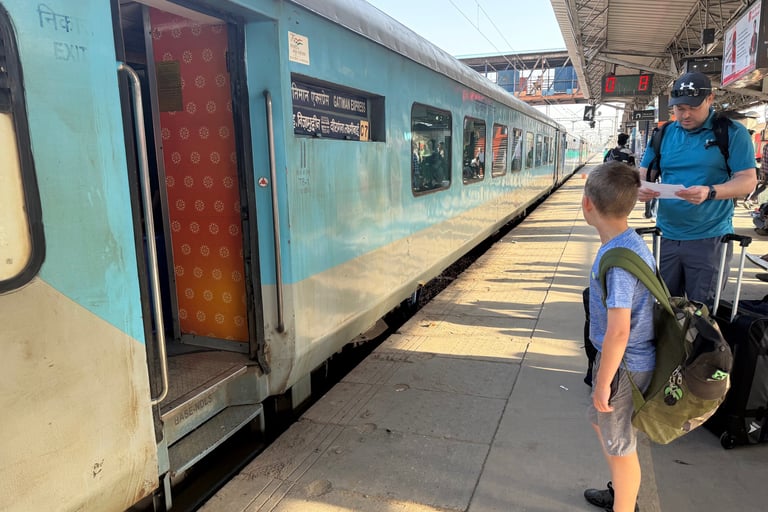

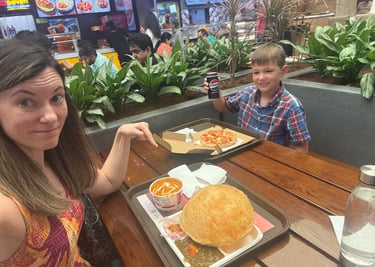
Is India Safe for Tourists?
Crime and Day‑to‑Day Risk
One of the biggest concerns parents have is safety — particularly around crime.
From our experience, violent crime against tourists is very rare on main travel routes. At places like the Taj Mahal and major Delhi monuments, there is a visible and consistent security presence.
We didn’t feel unsafe at any point during our trip. We went out in the evenings, stayed in well-known areas, and based ourselves in reputable, family-friendly hotels, which made a big difference to how comfortable everything felt.
Family-Friendly Hotels Along India’s Golden Triangle shows the types of places that worked well for us
Petty Theft (What to Watch For)
Like any busy destination, petty theft can happen in crowded areas, particularly markets and stations.
Simple precautions go a long way:
keep valuables close and zipped
avoid carrying large amounts of cash
keep an eye on your cards and transactions
This is no different to other major cities — but it does require awareness. Even with that, we still came home to find our credit card had been cloned, which shows that sometimes things can happen despite being careful.
Credit Card Safety Abroad: How Mine Was Cloned explains what happened and how we now protect ourselves
Health and Food Safety in India with Kids
For most parents, this ends up being the bigger concern than crime. The most common issue families face is stomach illness, usually linked to food handling or water rather than anything more serious.
We were quite careful — and for the most part, that worked.
We stuck to:
bottled or filtered water
reputable, busy restaurants
regular hand sanitising
But it’s worth being realistic. Despite taking precautions, my husband still got unwell after letting his guard down, while both me and Joshua were absolutely fine.
That’s India — it’s manageable, but not risk-free.
Food Safety in India: What Happened When My Husband Got Sick shares how that played out.
Medical Access and Travel Insurance
In major cities like Delhi, Agra and Jaipur, medical access is good, with private hospitals and clinics available.
The key is making sure you’re covered. We always travel with comprehensive insurance, and for long-haul trips like this we use providers like Just Travel Cover to make sure everything (including medical care and repatriation) is covered.
Vaccinations and Preparation
Before travelling, it’s worth speaking to your GP or a travel clinic.
Recommendations vary, but often include:
routine vaccine checks
Hepatitis A, Typhoid and others depending on your trip
We arranged this partly through our GP and partly through a travel clinic, which was straightforward.
If you’re sorting this side of planning, Do Kids Need Visas or Vaccinations for India? covers what to organise before you travel
What Helped Us Most
A simple travel kit made a bigger difference than we expected:
basic first aid
We ended up using it when my husband was unwell, and it made the situation much easier to manage.


Transport Safety in India (What to Expect with Kids)
This is where India feels most different.
Traffic is busy, roads can feel chaotic, and driving standards aren’t what most UK families are used to.
That said, you can make this much easier by choosing the right transport.
What worked best for us:
trains for longer distances (more predictable and less tiring)
pre-booked drivers for specific journeys
avoiding night travel where possible
For families with younger children, bringing something like a trunkie booster seat can also help make car journeys feel more secure.
Train vs Car for the Golden Triangle: What Works Best for Families? explains how to choose between them.
Crowds and Overstimulation (Often Misunderstood as Safety)
This is where expectations matter most.
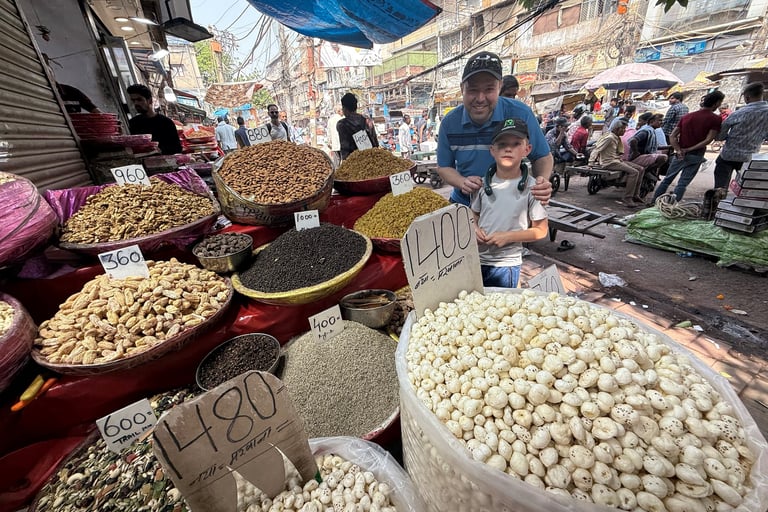
India is crowded. It’s loud. People will approach you — sometimes to sell, sometimes just out of curiosity.
For us, this didn’t feel unsafe — but it did feel intense at times, especially in places like Old Delhi.
The key risk here isn’t danger — it’s losing track of each other in crowds.
Simple things help:
keep children close
hold hands in busy areas
plan lighter afternoons
Once you adjust, it becomes part of the experience rather than something to worry about.
Accommodation and Feeling Safe
Where you stay makes a huge difference.
Good hotels provide:
security
clean water
reliable food
and a calm environment to return to
For us, this was one of the biggest factors in how safe the trip felt day to day.
Hotels like:
gave us that reset after busy days.
Family-Friendly Hotels Along India’s Golden Triangle shares the stays that worked best


How Children Experience India
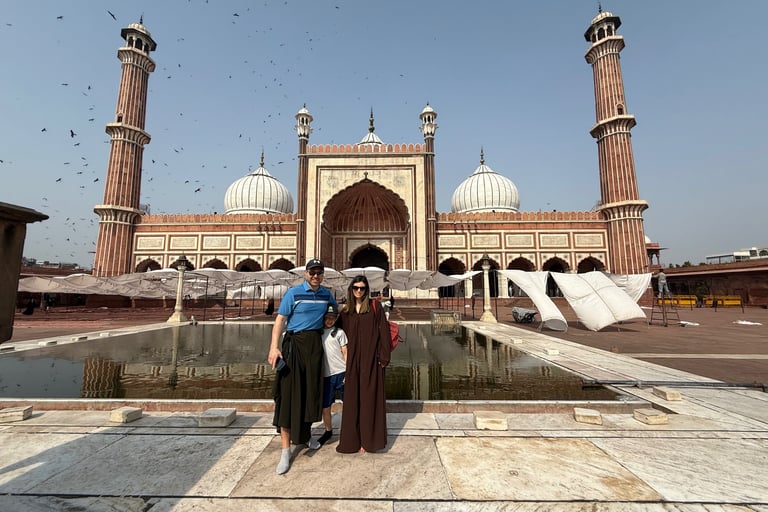
This was something we didn’t fully expect. Kids often adapt faster than adults.
Joshua loved:
rickshaw rides
the scale of monuments
the colour and activity everywhere
What was harder:
heat
long queues
packed itineraries
From a safety point of view, the biggest risk wasn’t the environment — it was fatigue and overstimulation.
Final Answer: Is India Safe with Kids?
Yes — India is safe for families when approached with the right expectations and planning.
It’s not about avoiding risk entirely.
It’s about:
structuring your trip well
choosing the right places to stay
and keeping your days realistic
Do that, and what can feel overwhelming at first becomes manageable — and incredibly rewarding.
FAQs: Is India Safe to Travel With Kids?
Is the Golden Triangle safe for families with children?
Yes — from our experience, the Golden Triangle (Delhi, Agra and Jaipur) is one of the safest and most manageable routes for families visiting India.
It’s well set up for tourism, with:
established transport routes
good hotels
and visible security at major sites
If you want to understand how these locations fit together for a family trip, A Practical 10–14 Day Family Golden Triangle Itinerary shows how to structure it in a way that feels manageable.
Is India safe for children travelling with parents?
Yes — in many ways, India works particularly well for children.
From our trip:
they’re more adaptable to busy environments
they enjoy the scale, colour, and movement
and they cope better with longer travel days
The biggest challenge isn’t safety — it’s avoiding overtired days.
Is the Golden Triangle Good for Kids? provides an overview of travelling to the Golden Triangle with kids.
What are the biggest safety concerns when travelling to India with kids?
From our experience, parents usually worry about:
food and health
transport
crowds
In reality:
food hygiene can be managed with simple choices
transport just needs planning
and crowds are more overwhelming than dangerous
What Do Kids Eat in India? helps with food concerns specifically
Is India safe for first-time travellers with children?
Yes — but planning matters more than in many destinations.
For first-time family trips, it helps to:
choose a structured route
keep travel days manageable
and avoid overpacking the itinerary
This is why the Golden Triangle works so well as an introduction.
How can you make India feel safer and easier as a family?
From our experience, a few decisions make a big difference:
pre-booking key transport
staying in family-friendly hotels
building in downtime
and not trying to do too much
Where you stay matters more than people expect.
Family-Friendly Hotels Along India’s Golden Triangle shows the types of places that made the biggest difference for us
Is transport in India safe when travelling with kids?
It’s different — but manageable.
Roads can feel chaotic at first, so we found:
trains worked best for longer journeys
drivers worked well for specific routes
Choosing the right transport reduces stress significantly.
Train vs Car for the Golden Triangle helps you decide what works best
Do families need travel insurance for India?
Yes — we would always recommend it.
Not because India feels unsafe, but because:
medical costs can add up
illness can happen (even with precautions)
and it gives you peace of mind
Will we feel uncomfortable travelling in India with kids?
At times, yes — but that’s usually about overstimulation rather than safety.
From our experience:
the first couple of days feel the most intense
then things quickly become more familiar
Once you adjust, it becomes part of the experience rather than something to worry about.
What surprised you most about safety in India with kids?
How manageable it actually was.
Before travelling, we expected it to feel much harder. In reality:
we didn’t feel unsafe
our son adapted quickly
and the trip felt much more structured than we imagined
The biggest risks weren’t safety — they were fatigue and overplanning
plan your TRIP TO india with kids
If you’re planning your family trip to India, these guides will help you pull everything together:


About Plan Family Escapes
We’re a UK-based family sharing real, experience-led travel guides based on trips we’ve taken with our school-age son Joshua across destinations like Lapland, Turkey and India.
Everything we share is based on what we’ve personally experienced — with honest advice on what actually works when travelling with kids, focusing on making family travel easier, more comfortable and genuinely enjoyable.