Is the Golden Triangle Good for Kids? What Parents Should Know Before Visiting India
Is India’s Golden Triangle suitable for children? A realistic guide for parents covering safety, crowds, heat and what kids actually enjoy.
INDIAASIARESOURCES
5/3/20269 min read
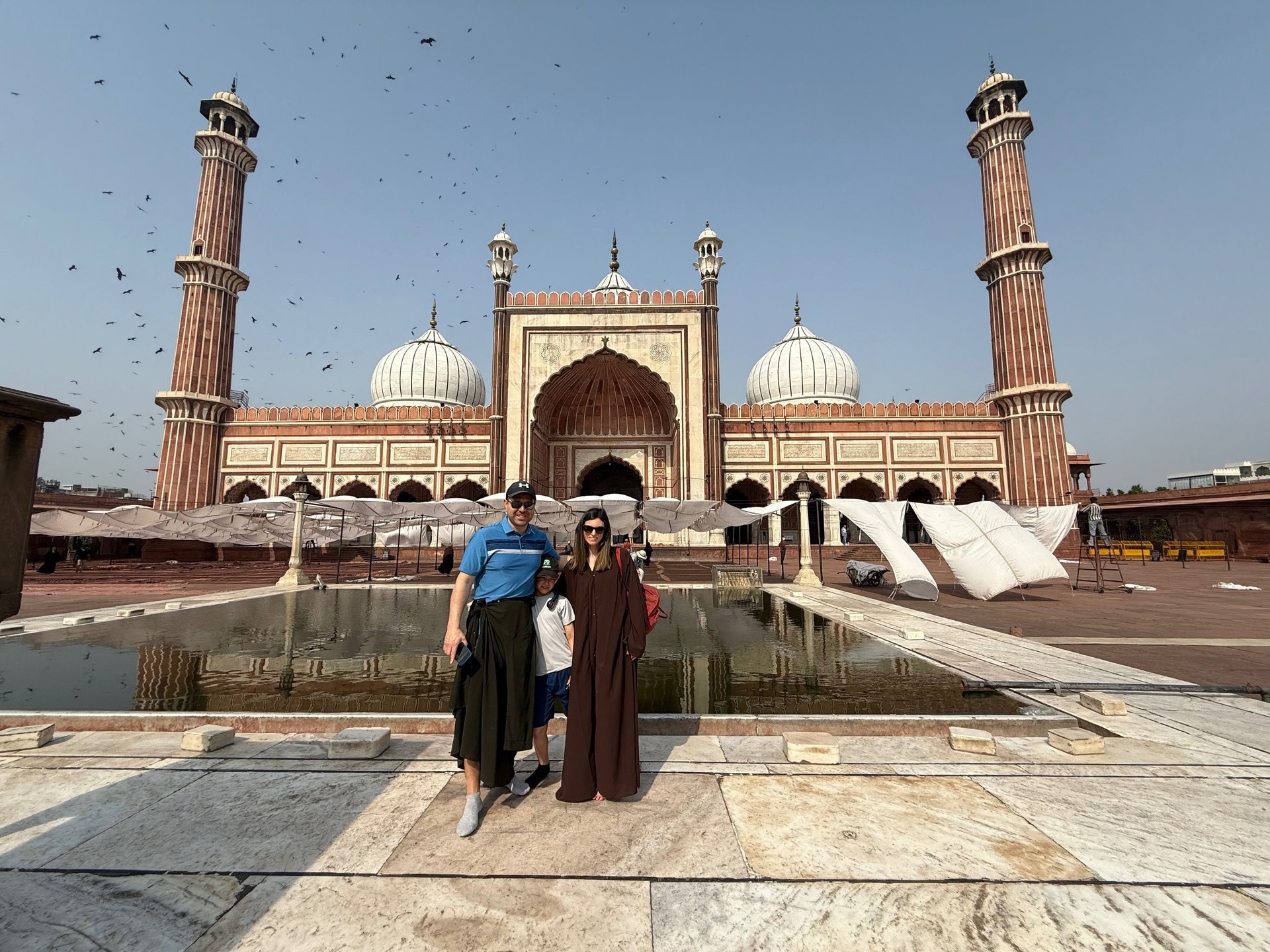
If you’re planning a trip and wondering is the Golden Triangle in India good for kids — and what should parents know before visiting, this guide is for families trying to decide if this type of trip will actually work in real life, not just on paper.
India has a reputation for being busy, chaotic and full-on — and that’s not entirely wrong. But it also doesn’t tell the full story.
Quick Answer: Is the Golden Triangle good for kids?
Yes — the Golden Triangle (Delhi, Agra and Jaipur) is one of the most manageable ways to visit India with kids, especially if it’s your first trip.
But it only works well when you:
pace the trip carefully
choose the right mix of experiences
and plan around your child’s energy, not just the itinerary
Done right, it becomes one of the most rewarding and memorable family travel experiences you can take.
We first travelled the Golden Triangle as a couple in 2014 and then went back recently as a family with Joshua, then 8 years old, and it was one of the most eye-opening trips we’ve done — but also one where planning made a bigger difference than anywhere else.
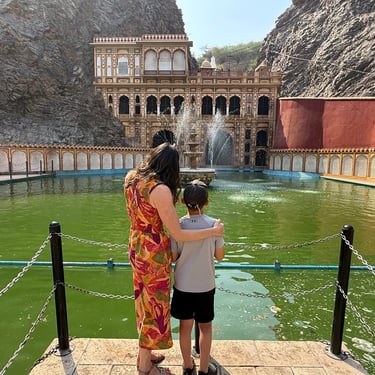
There were moments that felt intense, particularly in Delhi, but also moments (especially in Jaipur) where it felt genuinely relaxed and enjoyable. That contrast is what defines this trip.
This guide is built around what parents actually want to know before visiting India with kids, including:
what to expect in Delhi, Agra and Jaipur with children
how to handle safety, food and travel between cities
what parts of the trip feel most intense (and how to manage them)
and what actually works when travelling the Golden Triangle with kids
Some of the links in this guide are affiliate links, including hotels, tours and booking tools — which means we may earn a small commission if you book through them, at no extra cost to you. We only share options we’ve personally used and would genuinely choose again for a family trip.

What Kids Actually Enjoy on the Golden Triangle (Delhi, Agra, Jaipur)
If you’re asking what the Golden Triangle is actually like with kids, the answer isn’t about museums or history — it’s about experiences.
From our experience, children respond most to:
scale and space
things they can move through and explore
and moments that feel different to home
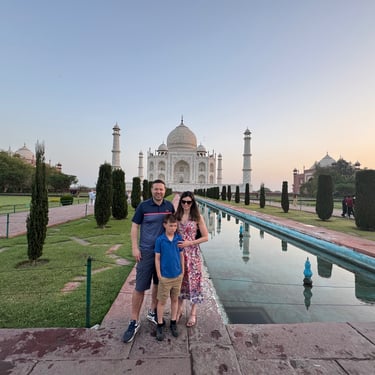
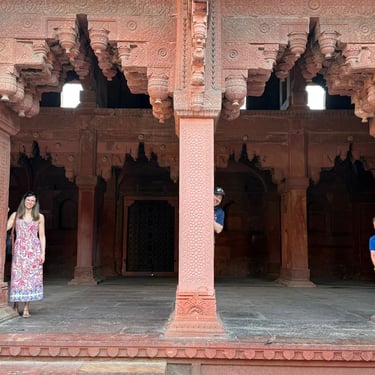
That’s why places like the Taj Mahal work so well. It’s instantly recognisable, visually simple, and the gardens give kids space to move. Similarly, sites like Amber Fort in Jaipur stand out because they feel more like an adventure than a visit — with courtyards, pathways and views rather than enclosed rooms.
Often, the real highlights aren’t the main sights at all. For us, it was things like:
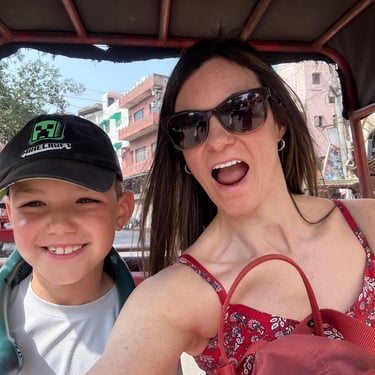
a rickshaw ride through Old Delhi
spotting monkeys at Galta Ji (Monkey Temple)
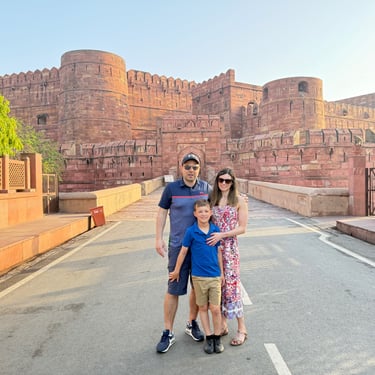
and exploring fort walls and towers
These are the moments kids remember — not the historical detail.
For specific ideas in each city see:
Is the Golden Triangle Safe with Kids?
This is usually the biggest concern for parents — and understandably so.
From our experience, the challenges weren’t about safety in the traditional sense. We never felt at risk, but we were very aware that we were in a busy, intense and very different environment. The main things to navigate were the traffic, the heat, and being a bit more conscious about food and hygiene than you might be used to.
In reality, a bit of preparation goes a long way. Sticking to bottled water, having proper travel insurance in place, and choosing reliable transport (private drivers or organised transfers) removes most of the stress. Once those basics are covered, it becomes far more manageable day to day.
If you want a clearer picture of what this looks like on the ground, Is India Safe to Travel With Kids? breaks down exactly what to expect and how to handle it as a family.
Food Is Easier Than Most Parents Expect
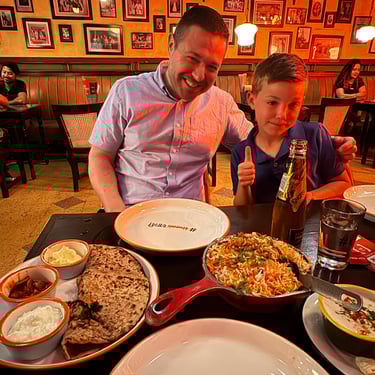
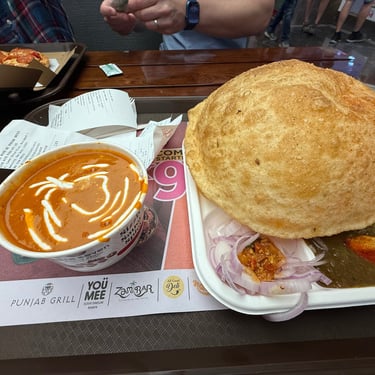
Food is one of the biggest worries before visiting — but in reality, it was much easier than expected.
Most hotels and many restaurants offer:
Indian and Western options
simple meals like rice, naan and grilled dishes
reliable breakfasts
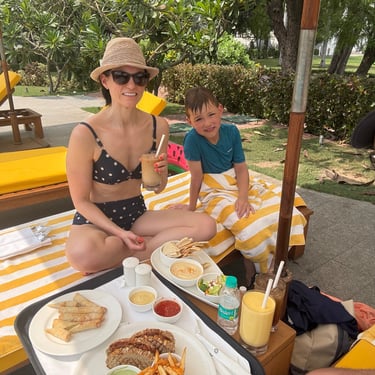
Joshua naturally stuck to familiar things:
naan
plain rice
milkshakes
It wasn’t an issue — just something we were aware of early on. If food is a concern for you, What Do Kids Eat in India? breaks this down properly.
Food Safety in India: What Parents Should Know
Families do need to be aware of basic food safety though, as it’s one of the areas where India feels different to home.
Most of the time, it’s easy to manage with simple precautions — sticking to reputable hotels and restaurants, choosing freshly cooked food, and being mindful of drinks and street food. But it’s something to take seriously early in the trip.
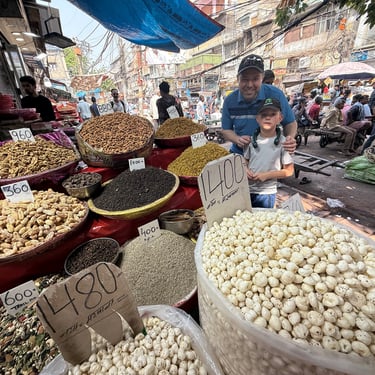
We learned this first-hand. My husband picked up food poisoning after having fresh sugar cane juice from a street vendor, which seemed like a small, harmless decision at the time. It was only a brief illness, but it was enough to disrupt a couple of days and highlighted how quickly things can change if you’re not careful.
The key takeaway for us wasn’t to avoid everything — it was to be a bit more selective about where and what you eat, especially in the first few days while your body adjusts.
If you want a full breakdown of what to watch out for and how we approached food with Joshua, Food Safety in India explains the specific mistakes we made and what we’d do differently next time.
What Can Make the Golden Triangle Challenging with Kids
So, is the Golden Triangle good for kids? Yes — but only if you understand what makes it harder.
Heat and Energy Levels
Heat is one of the biggest factors. From March onwards, temperatures rise quickly, and sightseeing in the middle of the day becomes difficult — especially for children.
What worked for us:
early morning sightseeing (especially the Taj Mahal)
returning to the hotel by late morning
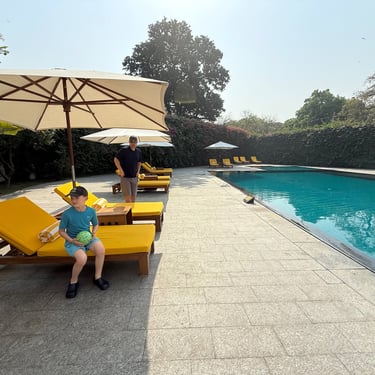
afternoons for pool time or rest
This made a huge difference to how the trip felt day-to-day.
If you’re deciding what time to visit the Taj, it’s worth reading Taj Mahal Morning vs Midday: What Works Best with Kids?, as timing affects everything — crowds, heat and how long kids stay engaged.
And for the practical side, What to Pack for India with Kids covers the small things (like cooling towels, fans and sun protection) that genuinely make long sightseeing days much easier.
Delhi Can Feel Full‑On (And That’s Normal)
Delhi is often the hardest part for kids — not because it’s unsafe, but because it’s intense.
There’s noise, traffic, crowds and constant movement. For some kids, that’s exciting. For others, it’s overwhelming.
For us, the key wasn’t avoiding it — it was controlling how long we stayed in that environment. Balancing the time in the city with hotel downtime is what makes it manageable.
Early Starts Feel Hard — But Help Long-Term
Early mornings don’t sound like fun on holiday — but on this trip, they actually made things easier.
Our Taj Mahal visit was early, and it ended up being one of the calmest parts of the whole trip. By the time it started getting busy and hot, we were already leaving.
If you’re planning this, Visiting the Taj Mahal with Kids: Best Times, Tips & Nearby Activities walks through how to structure that morning properly.
The Biggest Factor: Pace
If there’s one thing that will make or break this trip with kids, it’s pace.
The mistake is trying to fit everything in. That’s when it starts to feel overwhelming — for both adults and children.
What made the biggest difference for us was slowing everything down. We planned fewer sights each day, stayed flexible with timings, and built in proper downtime so Joshua wasn’t constantly on the go. That shift alone turned the experience from something that could have felt intense into something we genuinely enjoyed.
If you’re trying to picture how that works in practice, A Practical 10–14 Day Family Golden Triangle Itinerary shows exactly how we spaced things out — and why that approach made the trip feel manageable rather than rushed.

Why Hotel Choice Matters More Than You Expect
This is one of the biggest lessons from the entire trip. The Golden Triangle isn’t hard because of the sights — it’s hard when there’s no recovery time.
The hotels made that difference for us:
Maidens Hotel (Delhi) gave us a calm base away from the chaos
Tajview Agra worked because Joshua could reset in the pool after the Taj
Taj Devi Ratn Jaipur was where the trip finally felt relaxed
Aloft Aerocity Delhi made the final night easy before flying home
The pattern was always the same: morning activity → hotel downtime → easier afternoon
Without that, the exact same itinerary would have felt exhausting. If you’re comparing options, Family-Friendly Hotels Along India’s Golden Triangle breaks down which types of stays actually work with kids — and why.



So… Is the Golden Triangle Good for Kids?
Yes — but it’s not effortless travel.
India can be:
noisy
busy
and unpredictable
But it’s also:
visually incredible
culturally fascinating
full of moments kids genuinely remember
From our experience, the Golden Triangle works best for:
school‑aged children
families willing to plan properly
and trips that prioritise balance over volume
The difference isn’t the destination — it’s how you approach it.
FAQs: Is the Golden Triangle Good for Kids?
Is the Golden Triangle in India good for kids?
Yes — the Golden Triangle can be good for kids if you plan it at a slower pace. It’s busy and intense in places, but with downtime, comfortable hotels, and fewer sights per day, it becomes a manageable and rewarding family trip.
Is India safe to travel with kids on the Golden Triangle route?
Yes, India is generally safe for kids, including the Golden Triangle.
The main challenges are traffic, heat, and food hygiene rather than safety risks. Is India Safe to Travel With Kids? explains what to realistically expect.
What is the best way to travel the Golden Triangle with kids?
The best way to travel the Golden Triangle with kids is usually by train for the main routes. Trains between Delhi, Agra, and Jaipur are quick, comfortable, and remove the stress of long road journeys, which can feel tiring with children.
That said, private drivers definitely still have their place. They’re particularly useful for specific legs — especially Agra to Jaipur — where you can break up the journey with stops like Fatehpur Sikri or Chand Baori stepwell, which you simply wouldn’t see if you went straight by train.
In reality, most families end up using a mix of both. Trains work well for the longer, direct routes, while a private driver gives you flexibility, door-to-door travel, and the option to turn travel days into part of the experience rather than just getting from A to B.
Train vs Car for the Golden Triangle: What Works Best for Families? compares both options.
Do you need a guide for the Golden Triangle in India with kids?
You don’t need a guide, but it makes visits much easier with kids.
Busy sites like the Taj Mahal and Jaipur forts are far smoother with a private guide. Self-Guided vs Private Tours in India: Which Works Better with Kids? explains when it’s worth it.
What do kids eat in India on a Golden Triangle trip?
Kids can eat well in India, but it’s best to stick to simple, familiar foods and be mindful of hygiene. Many hotels offer Western options.
What Do Kids Eat in India? Managing Food Comfort and Safety shares practical tips and real experiences.
How much does a Golden Triangle family trip cost from the UK?
A Golden Triangle family trip from the UK can vary widely, but it’s often good value compared to other long-haul destinations.
Costs depend on hotels, transport, and guides. How Much a 10-Day Golden Triangle Family Trip Costs includes real figures.
Where should families stay in Delhi, Agra, and Jaipur?
Families should choose calm, comfortable hotels with space to relax after busy days. Pools and quieter locations make a big difference with kids.
Family-Friendly Hotels Along India’s Golden Triangle highlights the best options.
Is the Taj Mahal worth visiting with kids?
Yes — the Taj Mahal is worth visiting with kids, but timing matters. Visiting early helps avoid crowds and heat.
Visiting the Taj Mahal with Kids explains the best times and how to make it easier.
What should I pack for India with kids?
Pack for heat, hygiene, and comfort. Essentials like sunscreen, hand sanitiser, and light clothing make a big difference.
What to Pack for India with Kids focuses on what you’ll actually use.
What do you need to plan before travelling to India with kids?
You need to plan visas, vaccinations, flights, and transport before travelling to India with kids. Getting this sorted early makes the trip much smoother.
How to Plan a Golden Triangle Family Trip covers everything step by step and our India Hub has all our recommended booking links to help families with their planning.
plan your TRIP TO india with kids
If you’re planning your family trip to India, these guides will help you pull everything together:


About Plan Family Escapes
We’re a UK-based family sharing real, experience-led travel guides based on trips we’ve taken with our school-age son Joshua across destinations like Lapland, Turkey and India.
Everything we share is based on what we’ve personally experienced — with honest advice on what actually works when travelling with kids, focusing on making family travel easier, more comfortable and genuinely enjoyable.