Are Family Ski Holidays Worth the Money? A Real UK Parent’s Honest Cost vs Value Guide
Are family ski holidays worth the money? A realistic UK parent’s guide to cost vs value — what you actually get, and when it’s worth it.
ITALYEUROPESKIPASSO TONALERUKALA THUILEBUDGET
3/2/20265 min read
If you’re considering a ski trip and see prices of £1,500–£2,000 per person, it’s completely normal to pause.
Because from the UK — especially during school holidays — skiing isn’t a cheap holiday:
flights increase
accommodation fills up
and lessons, lift passes and hire add up quickly
This guide is for families trying to decide whether a ski holiday is actually worth the cost — not just in theory, but in terms of what you get back from the experience with children.
Quick Answer: Are Ski Holidays Worth It for Families?
Yes — but only when your expectations, budget and setup are aligned.
For us, skiing has been one of the most rewarding types of family holiday because it:
builds confidence quickly
creates real shared experiences
and gets easier each year as skills improve
But it’s also:
structured
physically demanding
and requires more planning than most trips
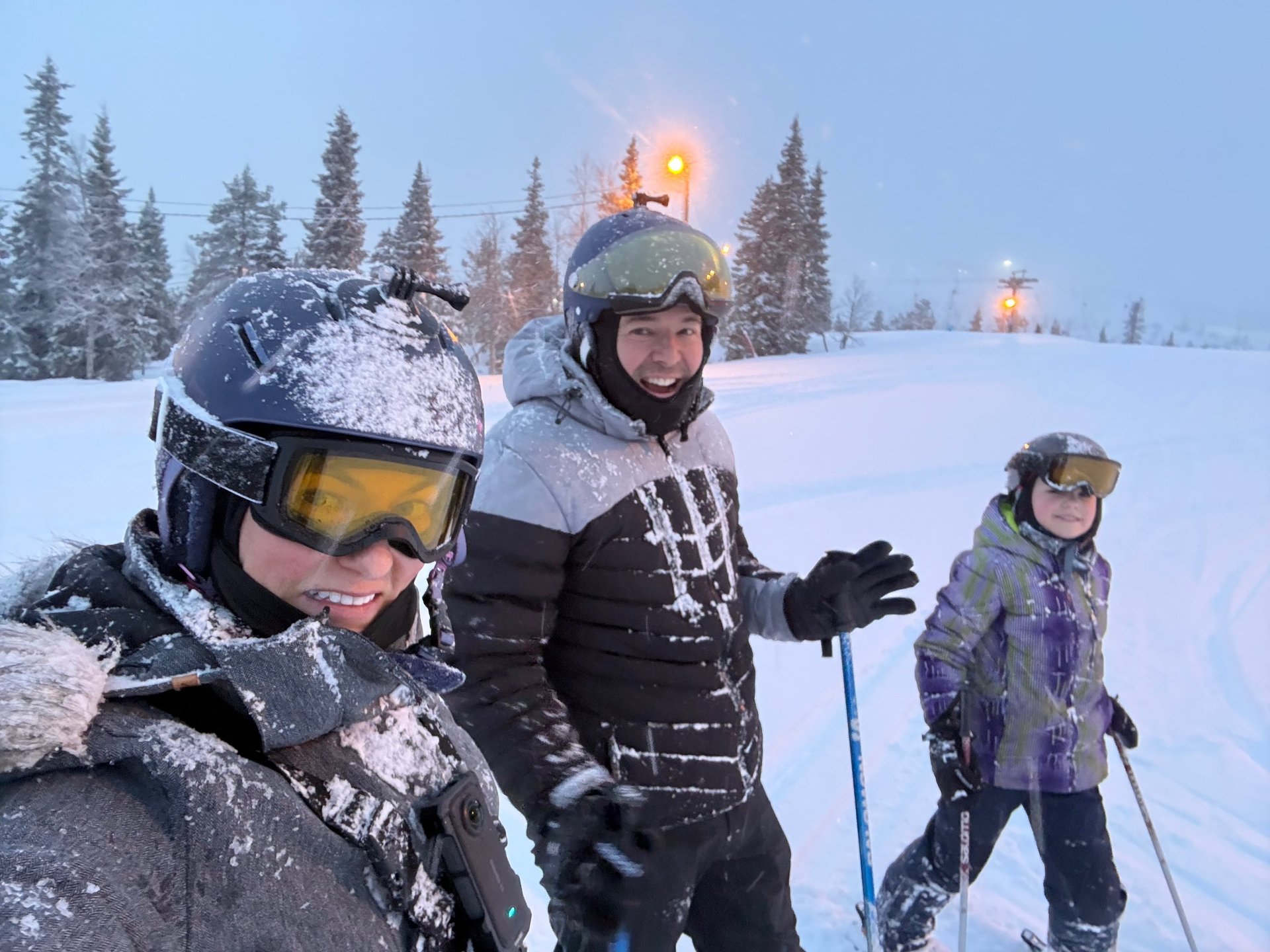
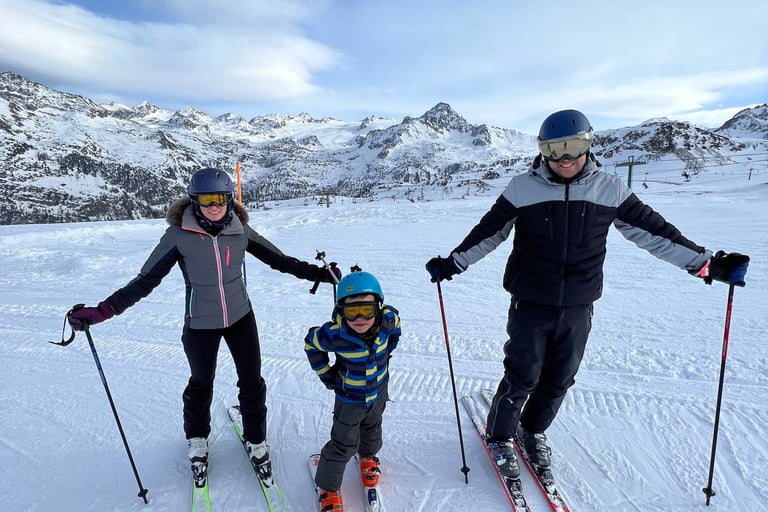
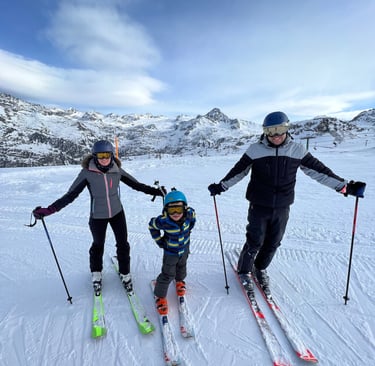
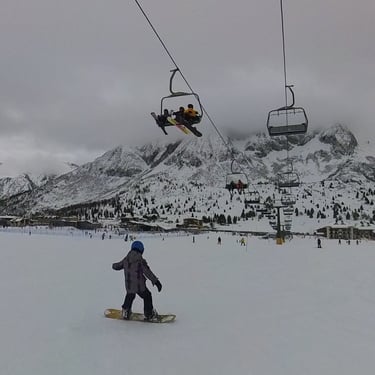
We’ve now done multiple ski trips as a family — across Italy, France, Switzerland and Lapland — with our son starting at five and continuing through to now transitioning into snowboarding. That’s given us a clear view of what makes it feel worth it, and what can make it feel harder than expected.
We’ve often booked through Crystal Ski where we wanted a more structured setup, with flights, accommodation and ski logistics organised upfront. That made a noticeable difference in the early years. Some links in this guide may be affiliate links, meaning we may earn a small commission at no extra cost to you. We only recommend options we’ve used ourselves or would choose again.
From here, we’ll break down:
where the value of a ski holiday actually comes from
what makes it feel worth it (or not)
and how to decide if it’s the right type of trip for your family
Cost vs Experience: What Are You Actually Buying?
A family ski holiday isn’t comparable to a beach break.
You’re paying for a complex setup:
peak‑season flights
mountain accommodation
lift passes and equipment
ski school
transfers or car hire
and the infrastructure that makes skiing possible
That’s why the cost is high.
But unlike many holidays, skiing is skill-based. Your child isn’t just being entertained — they are learning something difficult, and improving every day.
That’s what changes the value.
If you want a realistic breakdown of costs from the UK: How Much Does a Family Ski Holiday Cost From the UK?
Confidence Gain: The Real Return
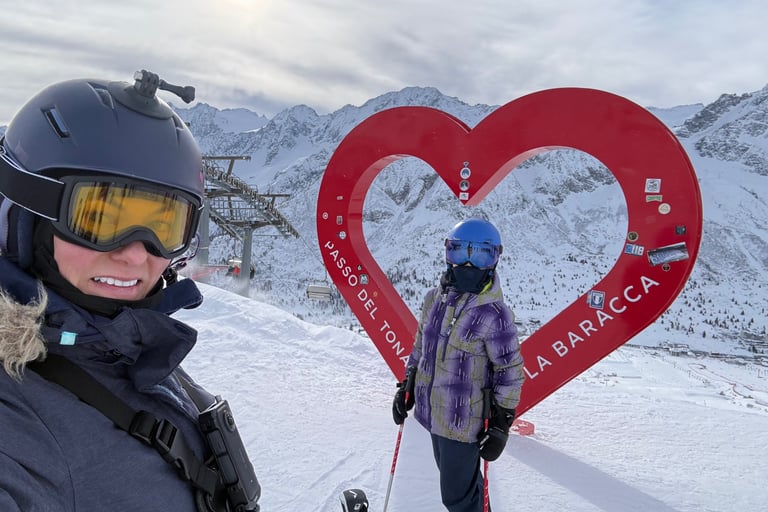
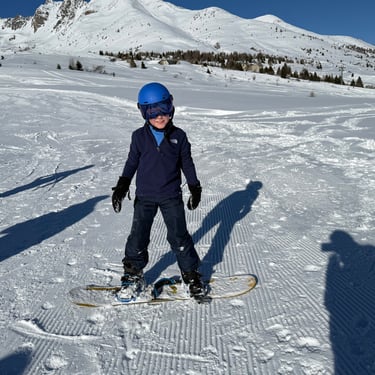
Across our trips to La Thuile, Passo Tonale and Ruka with our son Joshua, the biggest change we saw wasn’t just skiing ability.
It was confidence and independence.
Joshua started skiing at five. Over time we watched him:
manage discomfort (cold, tiredness, frustration)
follow structured instruction
recover from mistakes
and see clear improvement within days
Skiing compresses progress into a short space of time. That visible improvement builds confidence quickly — something that’s hard to replicate on other types of holiday.
If you’re thinking about timing: Is Skiing Good for School‑Age Children?
Lesson Structure Matters More Than You Think
Not all ski weeks deliver the same value.
Lesson format has a direct impact on how much your child actually learns.
From our experience:
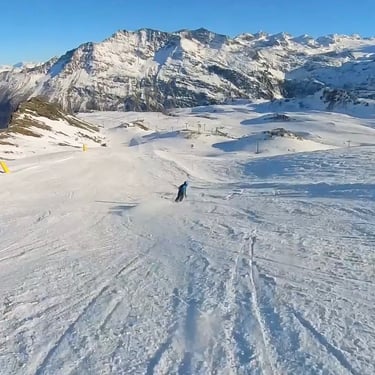
La Thuile (longer lessons): faster progression and stronger skill consolidation
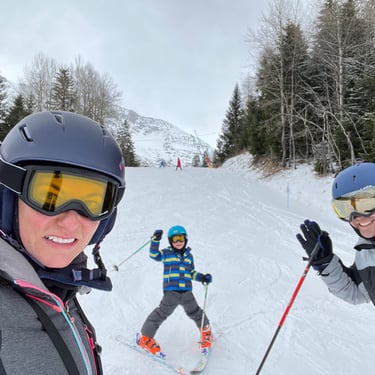
Passo Tonale (shorter lessons): good balance of energy, but more reliance on practice
Ruka (short lessons): ideal for beginners, but limited progression for confident skiers
If progression is your goal, lesson structure matters as much as the resort itself.
For more detail on how this works in practice: La Thuile Ski School Review: Our Honest Experience with Kids


Beyond Skiing: Where Lapland Changes the Value
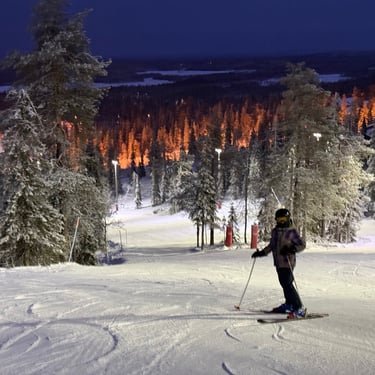
This is where Ruka feels different.
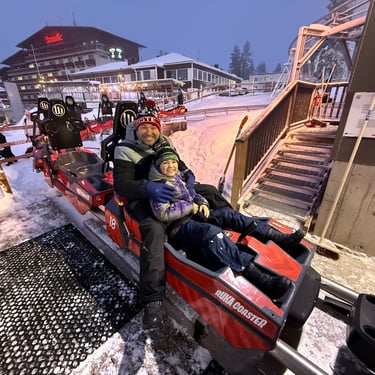
It’s not just a ski trip — it’s a full winter experience.
Alongside skiing, you can add:
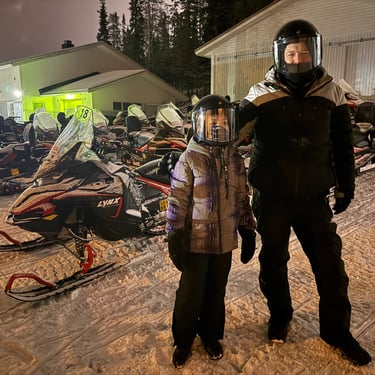
snowmobiling
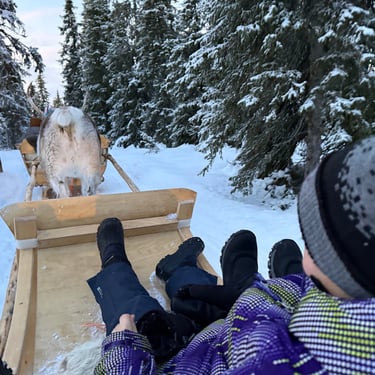
reindeer and husky experiences
snow parks
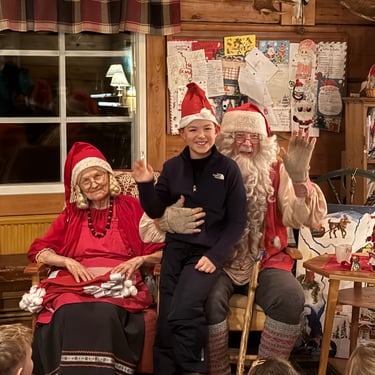
Santa visits
That changes how the value feels.
You’re not just paying for skiing — you’re paying for a much broader experience.
If you’re weighing that up: Things to do in Ruka besides Skiing
If you’re starting to think this could work for your family, this is the type of trip we did at Christmas and was magical — having everything organised made it much easier to manage. → See what’s included in the trip we booked
What Each Trip Actually Delivered for Us
Across our trips, each destination delivered something different:
La Thuile: best for structured progression and building skills over time
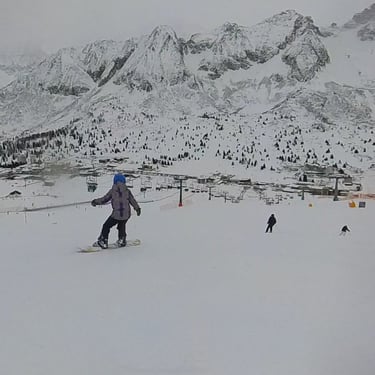
Passo Tonale: best for confidence and reducing fear on wide, open slopes
Ruka: best for experience-led trips with added activities beyond skiing
There isn’t one “best” — it depends on your child’s stage and what you want from the week.
When It’s Not Worth It
A ski holiday may not feel worth it if:
you dislike cold conditions
your child resists structured learning
you struggle with heights
the budget feels stretched
you’re expecting a relaxed, low-effort break
These are active, structured weeks — not passive holidays.
When It Is Worth It
It becomes worth it when:
your child builds visible confidence
skills carry forward year to year
the family shares the experience together
For us, the real moment isn’t during the trip.
It’s months later — when your child still talks about it, wants to go again, and feels more capable because of it.
If you’re thinking this might be worth it for your family, the easiest way to picture it is to see a full trip setup:
Final Perspective: Is It Worth It?
A family ski holiday is a big investment — in money, time and effort.
But in our experience, it’s not really about the cost on its own.
It’s about what you get back from it.
When it works, you’re not just paying for a week away. You’re investing in:
confidence that builds quickly
skills that carry forward year after year
and shared experiences that feel genuinely earned
the feeling of freedom while gliding down a mountain with the wind in your hair
That said, it’s not for every family.
If you’re looking for a relaxed, low-effort break, or if the cost creates pressure, it can feel like hard work rather than a reward.
But if your child is open to learning, and you’re prepared for the structure and pace, skiing becomes one of those trips that improves over time — not just during the week itself, but on every trip after.
For us, that’s what made it worth it.
If you’re leaning towards giving it a go, the easiest way to understand how it all fits together is to see a full, real family trip:
Want the full picture?
If you’re still planning your trip, these guides will help you next:
About Plan Family Escapes
We’re a UK-based family sharing real, experience-led travel guides based on trips we’ve taken with our school-age son Joshua across destinations like Lapland, Turkey and India.
Everything we share is based on what we’ve personally experienced — with honest advice on what actually works when travelling with kids, focusing on making family travel easier, more comfortable and genuinely enjoyable.