How to Plan a Golden Triangle Family Trip: Flights, Trains, Hotels & Budget Guide
How to Plan a Golden Triangle Family Trip? Plan a family trip to India’s Golden Triangle with practical advice on flights, visas, trains, hotels and budgeting for Delhi, Agra and Jaipur.
INDIAASIARESOURCES
4/6/202612 min read
If you’re wondering how to plan a Golden Triangle India trip from the UK with kids, this guide is for families who want to understand how it actually works in practice — not just a list of steps.
Planning a trip to India can feel overwhelming at first. You’re dealing with visas, flights, trains, three very different cities, and trying to bring it all together into something that feels manageable with children. It’s not the kind of trip you can just piece together last minute.
From our experience, the challenge isn’t whether to do the Golden Triangle — it’s working out the right order to plan everything so it feels simple rather than stressful.
Quick Answer: How Do You Plan a Golden Triangle Family Trip?
The easiest way to plan a Golden Triangle India itinerary for families is to follow a clear order:
book your flights first
apply for visas early
decide how you’ll travel between Delhi, Agra and Jaipur (train vs driver)
then choose hotels and build your daily itinerary around that
consider what injections you may need
Once you approach it this way, the whole process becomes much more manageable — even for a 10-day Golden Triangle family trip with a realistic budget.
We found the Golden Triangle to be one of the most accessible ways to visit India with children. The distances between cities are manageable, transport options are well established, and there’s a wide range of family-friendly hotels, which makes it a good starting point for a first visit.
If you’re still deciding whether this route is the right fit for your family, Is the Golden Triangle Good for Kids? will help you set expectations before you plan.
Where relevant, we’ve included the tools, booking platforms and options we used when planning our trip. Some of these are affiliate links, which means we may earn a small commission if you book through them — at no extra cost to you. We only recommend options we’ve used ourselves or would confidently book again as a family.

What Is the Golden Triangle (And Why It Works for Families)?
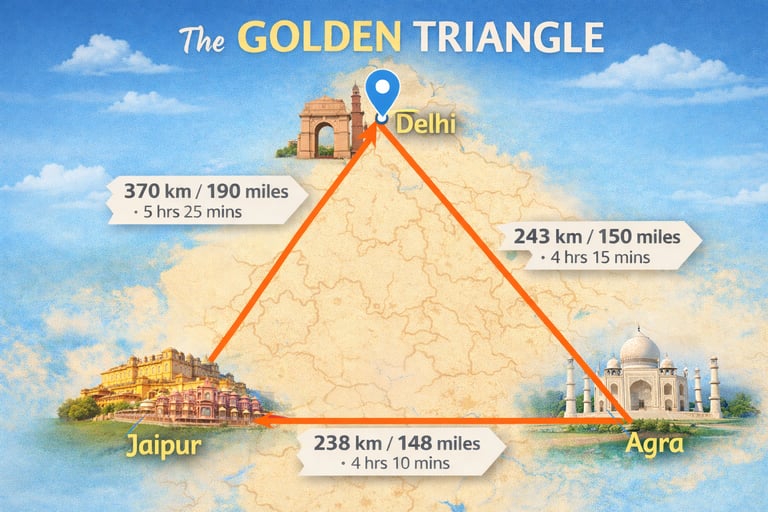
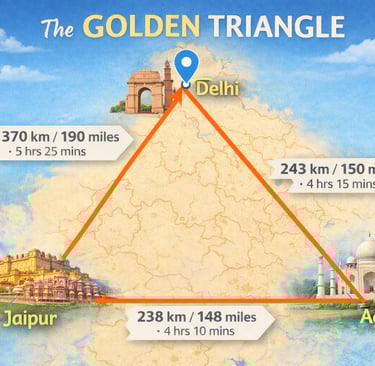
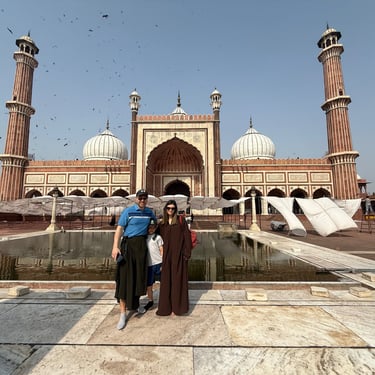
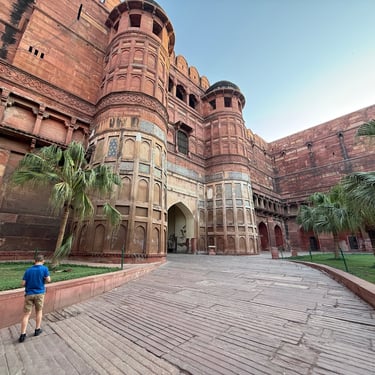
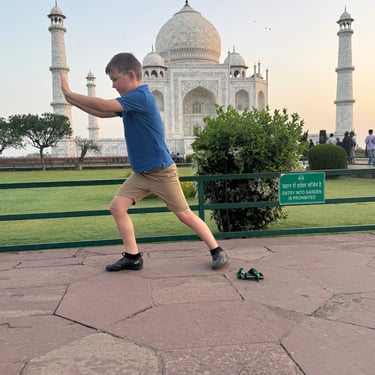
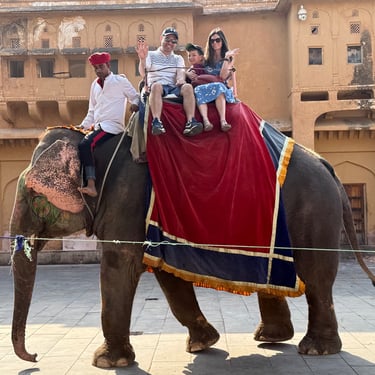
The Golden Triangle is the most popular travel route in northern India, linking Delhi, Agra and Jaipur in a loop. For UK families planning a first trip to India, it’s often the easiest place to start.
Across this route, you get a mix of everything India is known for:
the busy, contrasting capital city of Delhi
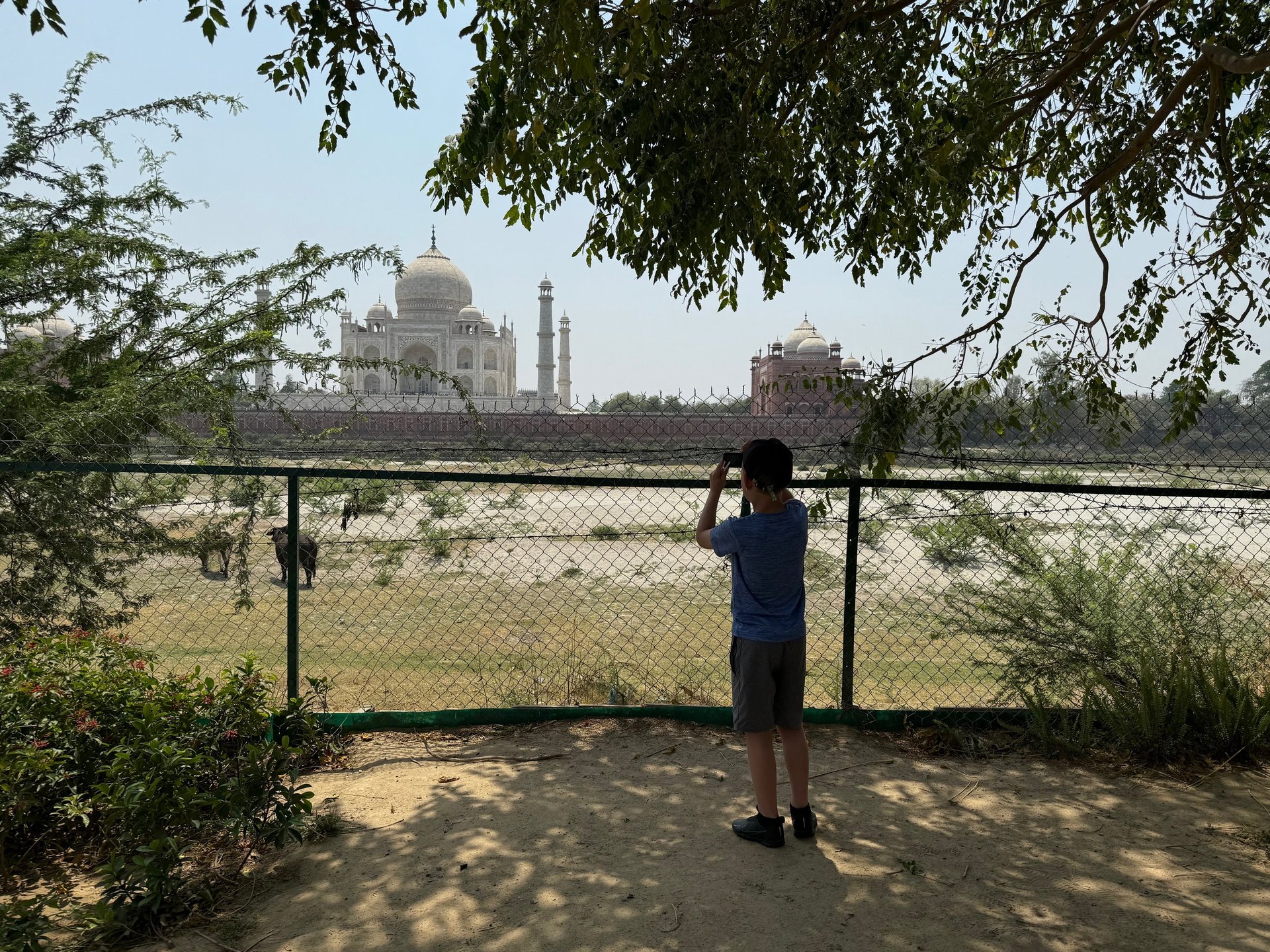
the Taj Mahal in Agra
the forts and palaces of Jaipur, including Amber Fort
What makes it work so well for families isn’t just the sights — it’s the structure.
The distances between cities are manageable, transport is easy to organise, and there are plenty of hotels where kids can properly switch off between sightseeing. That balance matters more than anything.
From our experience, what made the trip enjoyable wasn’t just what we saw — it was the ability to:
explore in the morning
then step back and slow down in the afternoon
That’s what stops it from becoming overwhelming.
If you want to see how this works in practice, A Practical 10–14 Day Family Golden Triangle Itinerary shows how we structured the trip day by day.
Step 1: Decide When to Go (This Shapes the Whole Trip)
If you're planning a Golden Triangle India trip from the UK with kids, your travel dates will usually come down to school holidays — but timing makes a big difference to how the trip feels.
From our experience:
February half term → best weather (20–25°C), but tight for time
Easter holidays → warmer (often 30°C+), but enough time to slow the pace
Summer holidays → very hot (often 40°C), harder with kids
October / December → great temperatures, but shorter trips or higher costs
We travelled at Easter, and for us it was the right balance. Yes, it was warm — but having nearly two weeks meant we could build in rest days, pool time, and avoid rushing between cities.
That made a much bigger difference than the temperature.
Step 2: Book Flights (Start Here)
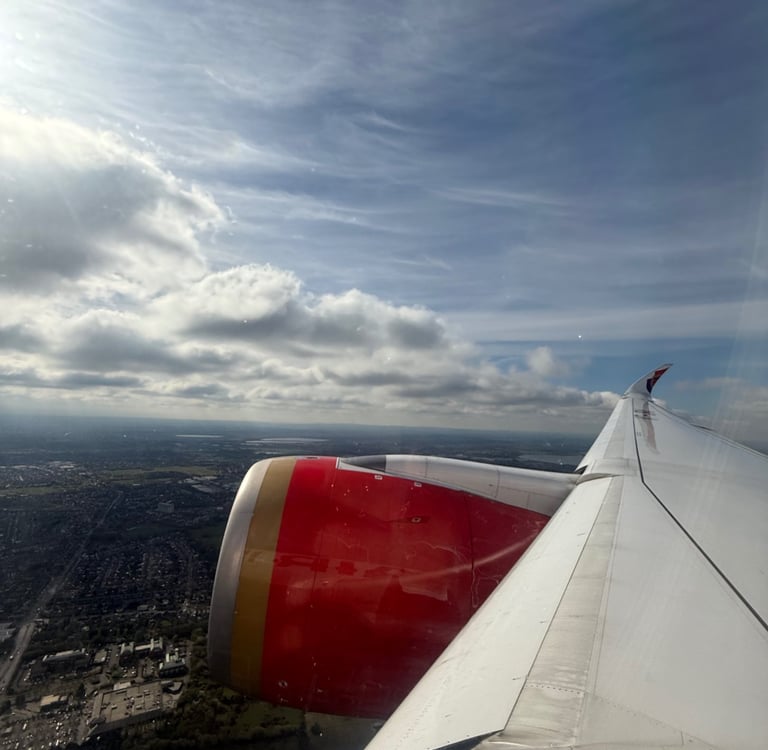
Flights are usually the biggest cost and the anchor for your trip. Most Golden Triangle family itineraries start in Delhi, and that’s where we flew into from London Heathrow.
From our experience:
booking flights first made everything else easier
once timings were locked in, the itinerary naturally followed
Typical return prices from the UK:
£450–£900 per person (economy, depending on season)
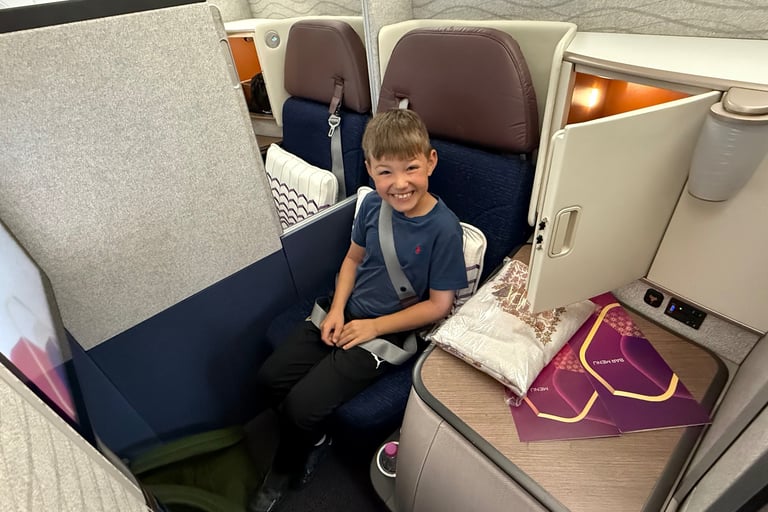
We flew with Air India and managed to find a good deal on premium economy/business — but generally, this is where your budget will flex most.
Step 3: Apply for Visas Early (Don’t Leave This Late)
All travellers — including children — need a visa. The India eVisa is the simplest option and is done online, but every traveller needs their own application.
One thing we were careful about: arrival timing. If your flight lands late at night and you’re delayed at immigration, you want to be confident your visa dates still work.
If you're unsure how this works in practice, Do Kids Need Visas or Vaccinations for India? breaks it down clearly.
Step 4: Plan Transport Between Cities (What Works Best for Families)
This is where planning the Golden Triangle becomes much more real.
On paper, the distances look manageable:
Delhi → Agra (~200km)
Agra → Jaipur (~240km)
Jaipur → Delhi (~280km)
But with kids, it’s not just about distance — it’s about how those travel days actually feel.
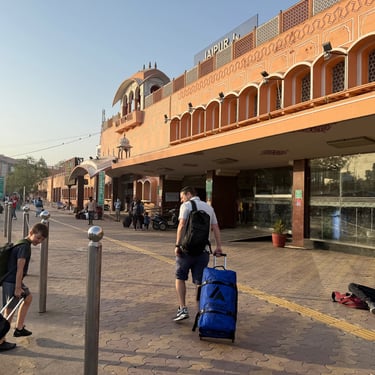
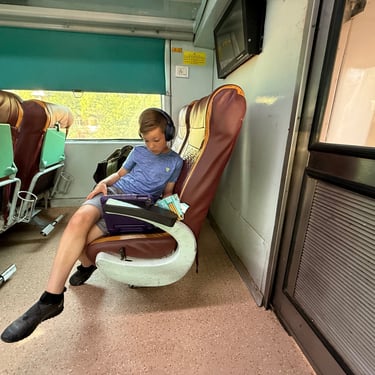
Families usually choose between trains, private drivers or organised tours. When we did this trip back in 2014 without kids, we travelled by private driver. This time, with our eight-year-old son, we knew straight away that trains would work better for most of the journey.
If you’re planning to use trains, it’s worth booking in advance through platforms like 12go.com — we found it the easiest way to secure seats together and keep everything organised before arriving.
They were:
quicker
more comfortable
and, unexpectedly, felt like part of the experience (having a meal served on board was a highlight in itself)
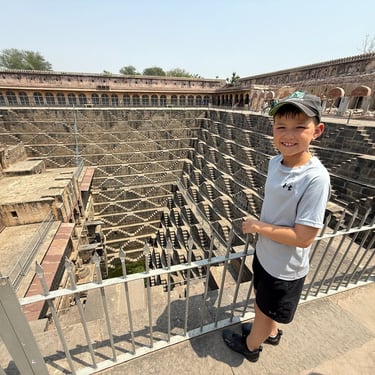
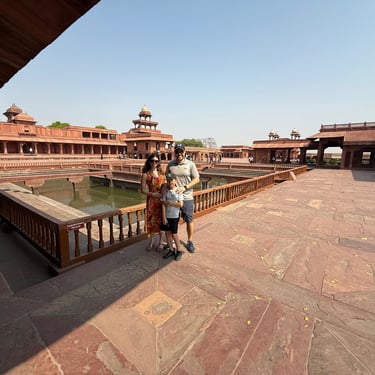
The only exception was the journey from Agra to Jaipur, where we chose to travel by car. It wasn’t the fastest option, but it gave us the chance to turn the journey into another part of the trip.
Instead of just getting from A to B, we were able to stop at places like Fatehpur Sikri and Chand Baori, which ended up being some of the most memorable moments of the whole itinerary.
If you’re considering a private driver, it’s worth exploring options on platforms like GetYourGuide or Viator — we found them a helpful way to compare routes, reviews and family-friendly tour options before booking.
If you're weighing this up, Train vs Car for the Golden Triangle helps you choose what actually works with kids.
Step 5: Choose Family-Friendly Hotels (This Makes or Breaks It)
This is one of the biggest lessons from our trip. On paper, the Golden Triangle is about sightseeing — but in reality, your hotels shape the experience just as much as the itinerary.
Long days, heat, and early starts mean you need somewhere that feels:
calm
comfortable
and genuinely family-friendly
We booked everything ourselves and focused on:
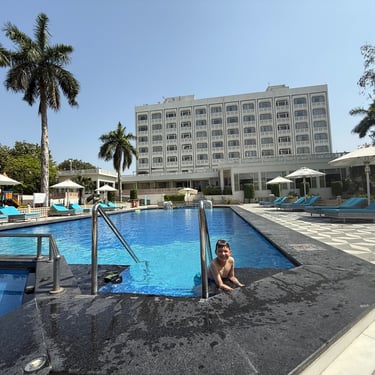
hotels with pools
breakfast included
larger family rooms
quieter settings
Hotels we loved:
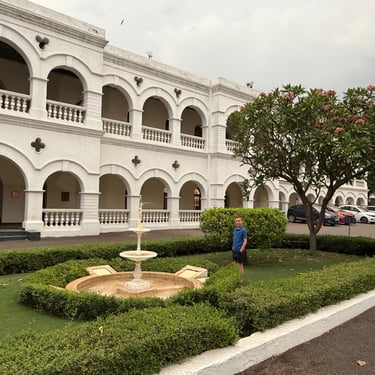
Maidens Hotel → space and gardens
Tajview Agra → Taj views + downtime
Taj Devi Ratn Resort & Spa → brilliant for kids
Aloft New Delhi Aerocity → easy final night
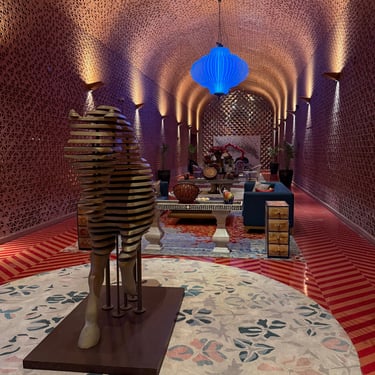
If you take one thing from this section, let it be this: choosing the right hotels makes the difference between a trip that feels intense and one that feels genuinely enjoyable with kids.
For more hotel suggestions across the route see: Family-Friendly Hotels Along India’s Golden Triangle

Step 6: Plan What to See (But Keep It Realistic)
Each city offers something completely different:
Delhi → busy, layered, full of contrasts
Agra → centred around the Taj Mahal
Jaipur → forts, palaces, more space to explore
The biggest mistake is trying to do too much.
From our experience, what worked best was:
mornings = sightseeing
afternoons = rest / pool time
That rhythm made the trip feel manageable.
If you're building your itinerary, these help:
7. Plan Your Budget
India can be travelled on a wide range of budgets. On our first visit ten years ago, Mark and I did the Golden Triangle on a basic three-day package tour costing £360 for two people, including hotels.
Travelling with Joshua, we chose a longer and more comfortable trip with family-friendly hotels and downtime built in.
Our key costs were roughly:
Hotels: £1,877.35 total
Transport and tours: £160 per person
Flights: the largest cost depending on season and class
One advantage of travelling in India is that many everyday costs remain relatively low, including monument entry tickets, transport and meals.
For a full breakdown of what we spent across flights, hotels, food and tours, see: How Much a 10-Day Golden Triangle Family Trip Costs (With Real Numbers)
Cash in India
You will also need some cash in Indian rupees, as smaller ticket offices and markets often prefer cash. We brought a small amount of Indian currency before we went, note that not all providers offer rupees.
Once in India, we found the easiest option was withdrawing cash from ATMs using Revolut or Monzo cards, which usually offer better exchange rates than airport exchange counters.
For a deeper look at where comfort upgrades make a difference with children, see: Budget vs Luxury Travel in India with Kids: Where Comfort Really Matters
Step 8: Pack for the Experience (Not Just the Destination)
This is not a “throw it in a suitcase” trip.
You’ll be dealing with:
heat
early starts
long sightseeing days
What made a difference for us:
sun protection
refillable bottles
lightweight clothing
simple comfort items for kids
What to Pack for India with Kids covers this properly.
9. Check Vaccinations and Travel Insurance
Before travelling to India with children, speak to your GP or a travel clinic about recommended vaccinations. Advice varies depending on your itinerary, but common vaccines discussed for India include Hepatitis A, Typhoid and Tetanus boosters, with some travellers also advised on Hepatitis B or malaria tablets depending on where they are visiting.
Some GP surgeries offer travel vaccines, but availability can vary, so many travellers use private clinics such as Boots or Superdrug. For our trip, Joshua’s vaccinations were arranged through our GP while Mark and I visited a travel clinic.
It’s also important to arrange comprehensive travel insurance, as private medical care in cities like Delhi can be expensive without coverage. We recommend Just Travel Cover, which compares multiple insurers and helps you choose a policy that includes medical treatment, trip cancellation and baggage protection.
Final Insight: How to Make This Trip Work for Families
Planning the Golden Triangle can feel overwhelming at first — but once you break it into steps, it becomes much more manageable.
From our experience, the difference wasn’t in what we saw — it was in how we planned it:
realistic pacing
the right hotels
and not trying to do everything
Get that right, and this becomes one of the most rewarding family trips you can take.
FAQs: Planning a Golden Triangle Family Trip
How many days do you need for a Golden Triangle trip with kids?
From our experience, 10–14 days works best for families.
Anything shorter can feel rushed, especially with travel between cities and the need for downtime. The extra days allow for a more relaxed pace, which makes a big difference with children.
If you want to see how that looks in practice, A Practical 10–14 Day Family Golden Triangle Itinerary shows how to structure the trip day by day.
Is the Golden Triangle a good first trip to India with kids?
Yes — for most families, it’s one of the easiest ways to experience India for the first time.
It works well because:
distances are manageable
transport is relatively straightforward
there’s a wide range of family-friendly accommodation
If you’re still deciding, Is the Golden Triangle Good for Kids? gives a more honest view of what to expect.
How much does a Golden Triangle family trip cost from the UK?
Costs can vary a lot depending on your travel style, but from our experience, the biggest expenses are flights and hotels. Day-to-day spending in India can be relatively low. For a full breakdown of what we actually spent, How Much a 10-Day Golden Triangle Family Trip Costs gives real numbers to plan with.
What is the best way to travel between Delhi, Agra and Jaipur with kids?
This depends on the type of experience you want. From our trip trains were quicker and easier for longer journeys. We opted for a private driver for the shorter leg between
Where should you stay on a Golden Triangle trip with kids?
Hotel choice has a much bigger impact than people expect.
From our experience, the right hotels:
break up long sightseeing days
give kids space to recharge
make the trip feel manageable rather than intense
Family-Friendly Hotels Along India’s Golden Triangle shares the types of places that worked best for us.
What should you prioritise seeing with kids in each city?
Each city offers something different:
Delhi → culture and contrast
Agra → the Taj Mahal
Jaipur → forts and palaces
Trying to do everything is the biggest mistake.
These guides help you focus on what’s actually worth it:
What is the best time to visit the Taj Mahal with kids?
Timing makes a big difference — especially with crowds and heat.
From our experience, early mornings tend to be the easiest with children, but it depends on your pace and schedule.
Taj Mahal Morning vs Midday: What Works Best with Kids? breaks this down properly.
Is India safe to travel with children?
From our experience, yes — but it’s different.
The biggest adjustment isn’t safety itself, but:
the pace
the environment
and how busy things can feel
Understanding that in advance makes a big difference.
Is India Safe to Travel With Kids? gives a more realistic perspective.
What should you pack for a Golden Triangle trip with kids?
Packing makes a bigger difference than you might expect.
You’ll be dealing with:
heat
early starts
long sightseeing days
What to Pack for India with Kids covers what actually made things easier for us.
How do you book trains in India for a Golden Triangle trip?
Booking trains in India is fairly straightforward, but it does take a bit of planning — especially when travelling as a family.
From our experience, we booked our trains in advance before leaving the UK using 12Go Asia, which made the process much simpler to navigate compared to booking directly. It also meant we could secure seats together and avoid the uncertainty of last‑minute availability — particularly important on busy routes like Delhi to Agra, which can sell out quickly.
For families, a couple of things really matter here:
book in advance so you can get seats together - you'll need to register with your passport
allow extra time at stations (they can feel busy at first)
and most importantly, choose the right class
We’d strongly recommend booking air-conditioned classes (AC Chair Car or AC First/Second Class).
This made a huge difference for us — it was:
much more comfortable
cooler (especially in warmer months)
and generally felt more relaxed and manageable with a child
Once we were on board, trains actually turned out to be one of the easiest parts of the trip. They were well organised, comfortable, and the added bonus of having a meal served made it feel like part of the experience rather than just transport.
Is it better to travel by train or private driver with kids in India?
There isn’t one “right” answer — it depends on how you want the trip to feel.
From our experience:
trains worked better for longer journeys (quicker, smoother, less tiring)
private drivers worked best when we wanted to stop and explore along the way
For example, driving between Agra and Jaipur allowed us to visit places like Fatehpur Sikri and Chand Baori but the rest of the journey I recommend train travel. They are comfortable and so much faster than travelling by car.
How do you organise tours in Delhi, Agra and Jaipur?
There are a few ways to approach this, and we’ve done different versions over time.
For this trip, we kept things flexible:
some days were self-guided
others we used private guides
From our experience, this balance worked best with a child. It meant we had structure where we needed it (like visiting the Taj Mahal), but flexibility on quieter days. Private guides and local tours can easily be organised through platforms like Get Your Guide and Viator.
If you're unsure which approach suits your family, Self-Guided vs Private Tours in India breaks down what works best with kids.
Can you do the Golden Triangle independently (DIY), or do you need a tour?
Yes — you can absolutely plan a Golden Triangle trip independently, and that’s what we did.
At first, it can feel like a lot to organise:
flights
visas
trains
hotels
transport between cities
But once you break it into steps, it becomes much more manageable.
From our experience, doing it ourselves gave us:
more flexibility
control over pace
the ability to build the trip around our son
That said, some families prefer organised tours to simplify logistics — especially for a first visit. There’s no right answer — it’s about what feels more comfortable for your style of travel. We highly recommend Tour Radar if a tour if you prefer to have most of the logistics done for you.
plan your TRIP TO india with kids
If you’re planning your family trip to India, these guides will help you pull everything together:


About Plan Family Escapes
We’re a UK-based family sharing real, experience-led travel guides based on trips we’ve taken with our school-age son Joshua across destinations like Lapland, Turkey and India.
Everything we share is based on what we’ve personally experienced — with honest advice on what actually works when travelling with kids, focusing on making family travel easier, more comfortable and genuinely enjoyable.